I grew up in the Azores, a small Portuguese island chain in the middle of the Atlantic. My father was in the Air Force and was stationed on Terceira through a chunk of my childhood. That experience and a lingering knowledge of Portuguese left me with a strong desire to visit Portugal as an adult. When a long layover in Lisbon presented itself on our way home from Morocco, I took the opportunity and ran with it, packing as much as I could in our two day stint. Lisbon is an invigorating city and I can’t wait to come back for a deeper dive.
First Look
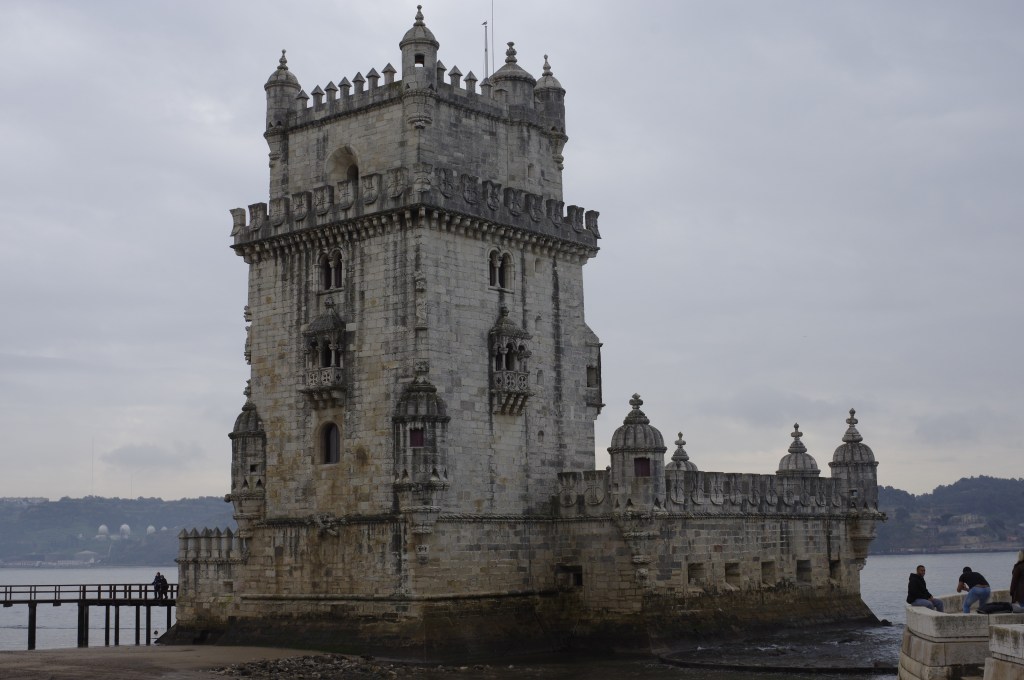
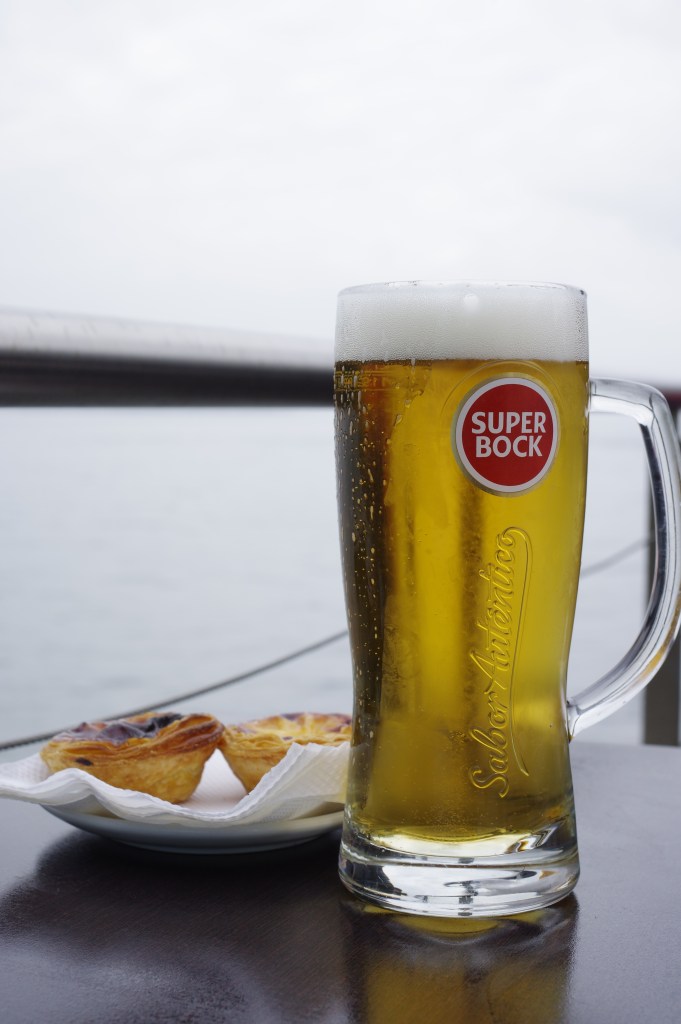
On our initial flight to Morocco, we had a 4 hour layover in Lisbon. I’ve never been one to sit in an airport when I could be exploring and because we had to go through immigration anyways, we took the risk and left the airport during our layover. After 30 minutes in the immigration line (maybe I’m lucky but this was my longest wait at immigration anywhere except for one instance at Gare du Nord when the perfect storm of early Brexit and a French strike had me in a 7 hour wait to board the Eurostar for London), we were in an uber and zipping into Lisbon. It was early, around 9am, and we wanted something breakfast-like with a view. We landed on a quick-service cafe near Belém Tower for some Pastéis de Nata and a beautiful riverside view. Pastéis de Nata, also called Pastéis de Belém, are egg-custard tarts that were created by monks in the early 19th century and originally sold at Belém tower to raise money for the survival of the monks as all monasteries and convents were shut down due to the liberal revolution of 1820. Belém tower is a 16th century fortification on the Tagus river and symbol of Lisbon. It was an embarkation point for many explorers during the Age of Discovery and is now a UNESCO World Heritage Site. Naturally, we had a beer with our round of pastries– the carbonation helped to scrub the creaminess of the custard away and what ever way to enjoy a view in a new place than with a regional beer in hand? We enjoyed our breakfast with a view, had a nice walk around the tower, and were back at the airport with plenty of time to spare before our flight to Casablanca. This is something I do often when I have a layover of at least 3.5 hours and the place that I would be entering doesn’t require a lengthy entry/exit process. Why spend your vacation time and your money in an airport when you could get the smallest slice of an adventure away from the onslaught of stressed out families and duty-free shops?
Lisbon Living
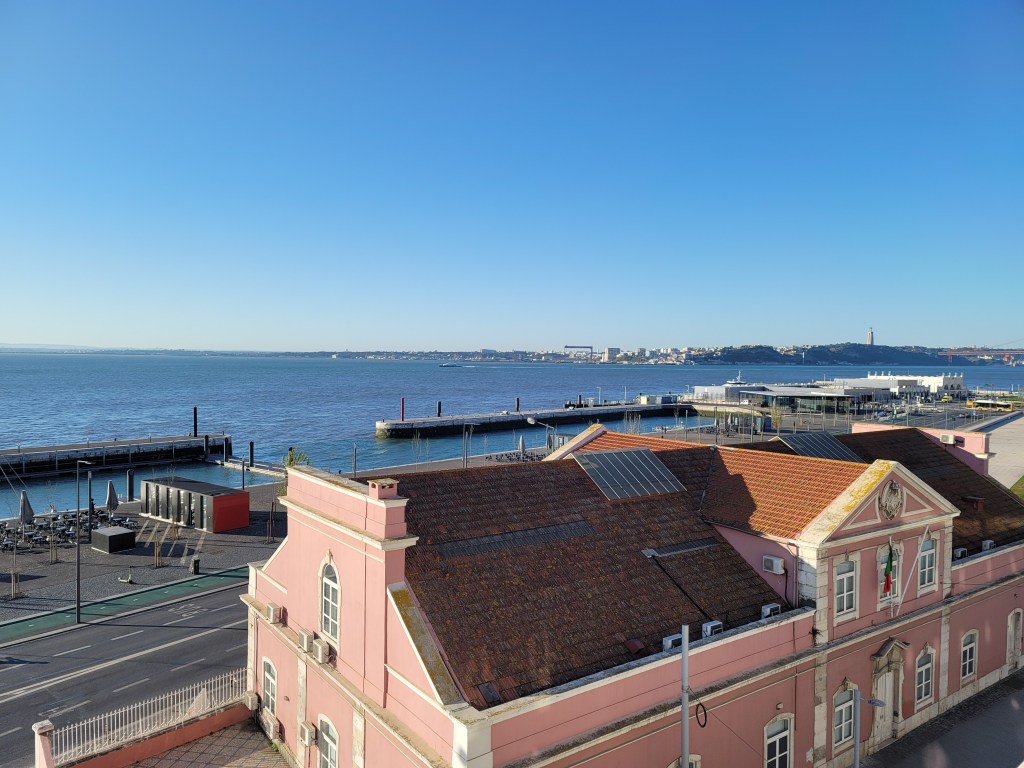
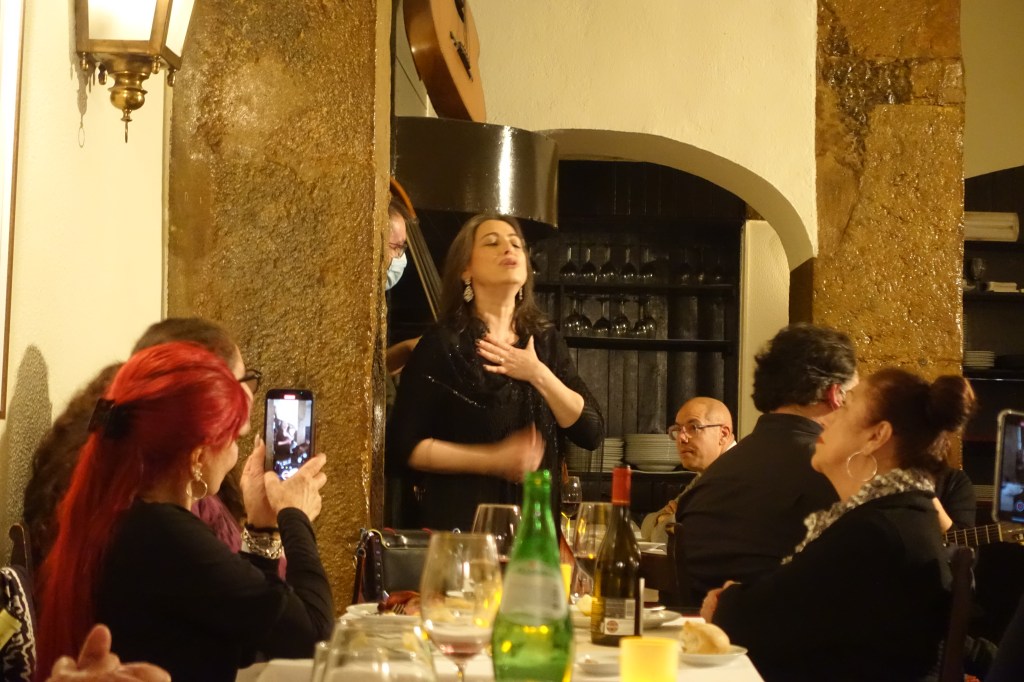
When researching where to stay for our short visit, I wanted something with a lot of walkability and a good view. The Hotel Áurea Museum fit the bill for us and we loved it! The hotel features a permanent archaeological exhibition and a small museum showcasing the area from antiquity through to more modern times of kings and courts. The decor in the hotel also pays homage to Portugal’s Age of Discovery, with maps and nautical theming. The staff was incredibly accommodating, they had a bottle of sparkling wine in our room waiting for us each evening, and upgraded us to a penthouse room with a lovely, large balcony viewing the river. The hotel is in the Alfama neighborhood, one of Lisbon’s oldest areas. The neighborhood is built on steep hills, along the bank of the Tagus river, with cafes lining the streets, and Fado clubs sprinkled throughout. Fado is a style of Portuguese music that “originated” in the 1820’s but is thought to have much older origins. Fado is known for how expressive and profoundly melancholic it is, a single performer sings with the backing of a few musicians, including a classical guitarist. We were lucky enough to snag the last table at Clube de Fado, near our hotel, for dinner and a Fado performance. The music is truly haunting, even without a solid understanding of the language, you can feel the emotion pouring out of the singers. Every 20 minutes or so a new performer would come on and sing 4-5 songs and we enjoyed it so much that we stayed until we had cycled through the rotation of singers 2 times. The food was outstanding, featuring classic Portuguese dishes with a wine list that also showcased wines of Portugal.
PORTugal
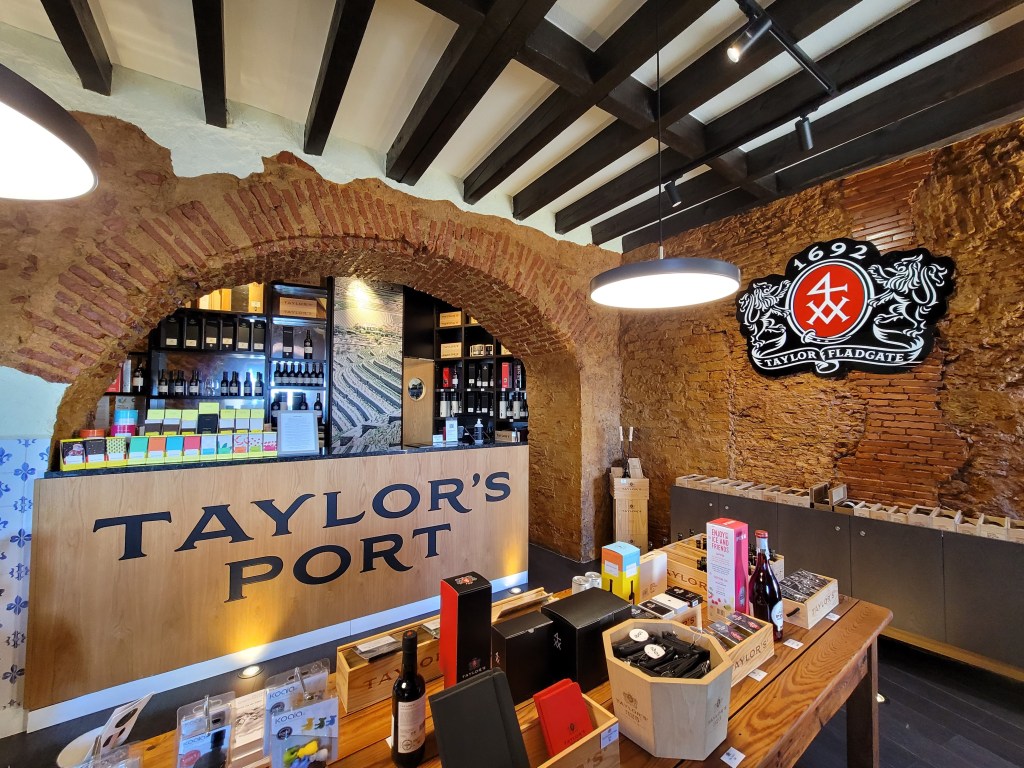
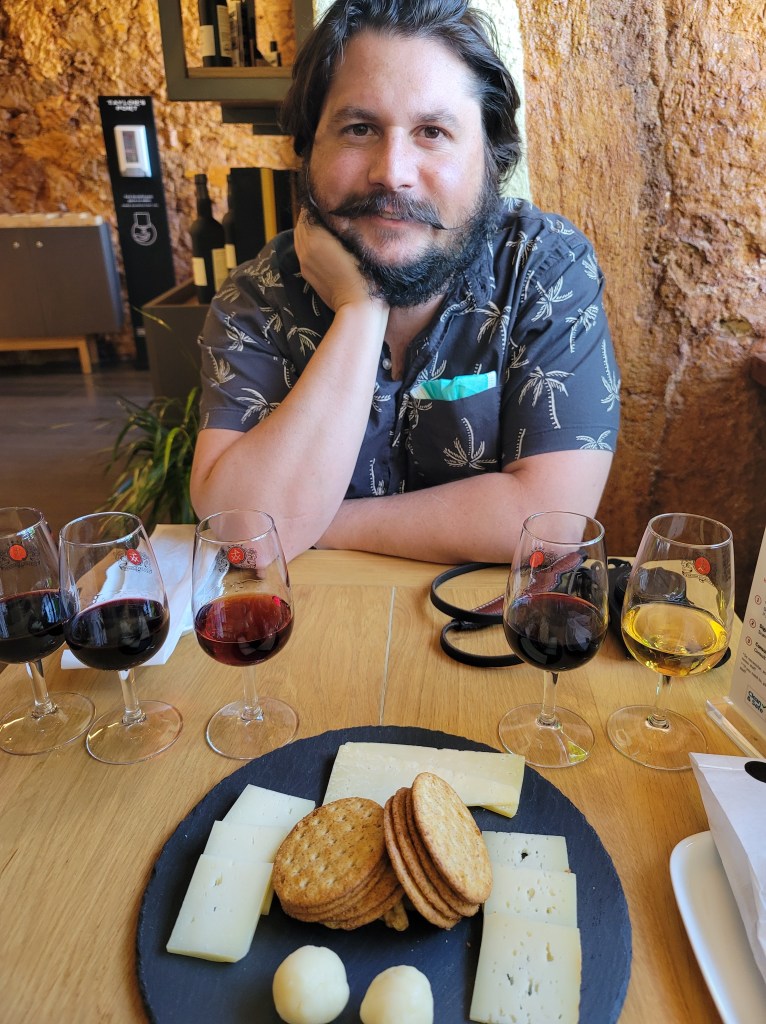
Well, we couldn’t spend any amount of time in Portugal without doing a dive into Port. Luckily for us, a Taylor Port tasting room was a few doors down from our hotel. The tasting room is small but modern and very inviting, with nods to the history of the brand throughout the space. Port wine is a Portuguese fortified wine produced in the Douro Valley in the north of Portugal. It is most often seen as a sweet red wine, often served with dessert, although it can come in dry, semi-dry, and white varieties. We ordered a full tasting, with 5 ports, for €40 (we also added on a killer selection of Portuguese cheeses for an extra €14).
This Is (A) Wine Country
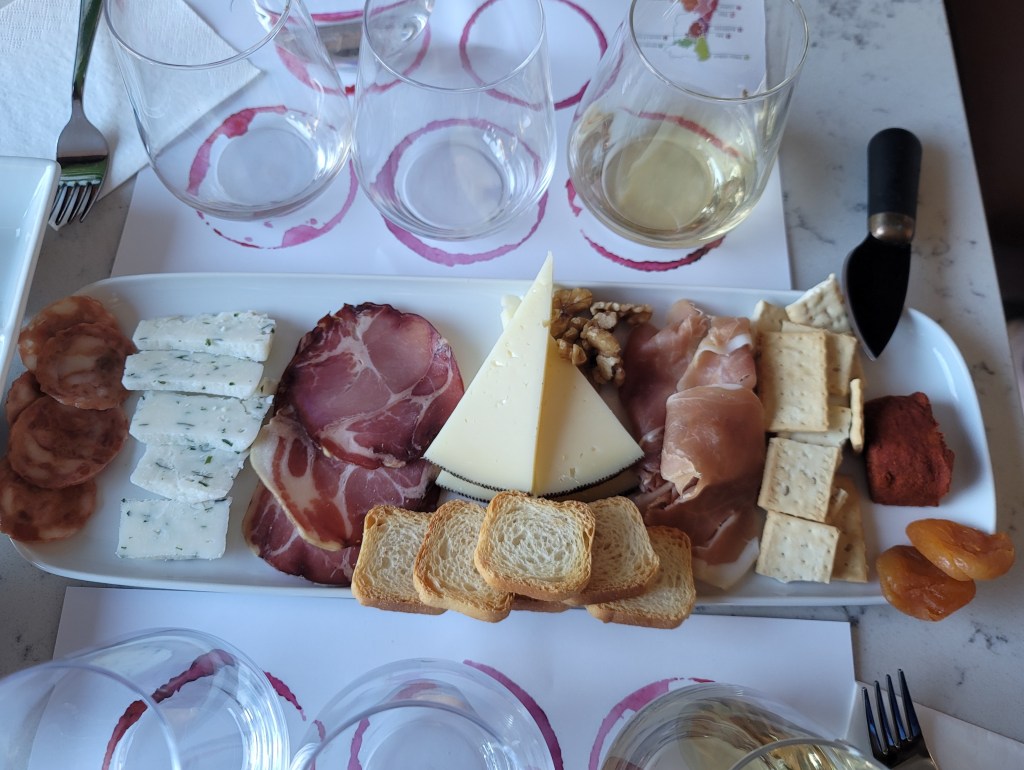
While we typically skew towards beer, we have a deep interest in wine (all fermentation, really– the nerd shines through). With limited time, I wanted an experience that could showcase Portugal’s wine making culture and give examples from different regions. I discovered From The Vine with a quick google search and I booked their Wine and Cheese Lunch experience. For €55 ($58) per person, we were treated to 6 wines from 6 different regions (there are 13 wine regions in total), as well as a lovely selection of cheese, charcuterie, and accompaniments from Portuguese producers. Each wine was explained in-depth, including a run-down of the region it was from, and a suggested pairing was given. This was a great way to experience the viticulture of Portugal during a whirlwind visit to Lisbon. Fun fact, the business is modeled after one of our favorite spots in Paris to take first-time visitors– Ô Chateau.
Vamos Comer!
The food scene in Lisbon is unreal, a real gastronomic party, and we dove in– hard. On our first evening in town, I booked a food tour through Viator called “Small-Group Portuguese Food and Wine Tour.” I like to schedule food tours towards the beginning of our trips anywhere that we go, they tend to not only give us the literal flavor of the place that we’re visiting, they also give us a taste of the culture, and little bites of information about the area in the form of tips about the city/country from a local guide. Our tour took place in the Baixa neighborhood, which is the historic heart of Lisbon. We had five stops, four with a food/beverage pairing, and one beverage only stop. Each stop had a complete talk throigh the history of what we were eating and drinking. For the most part, we visited quick food places, which is completely my vibe when I’m out exploring. Highlights included:
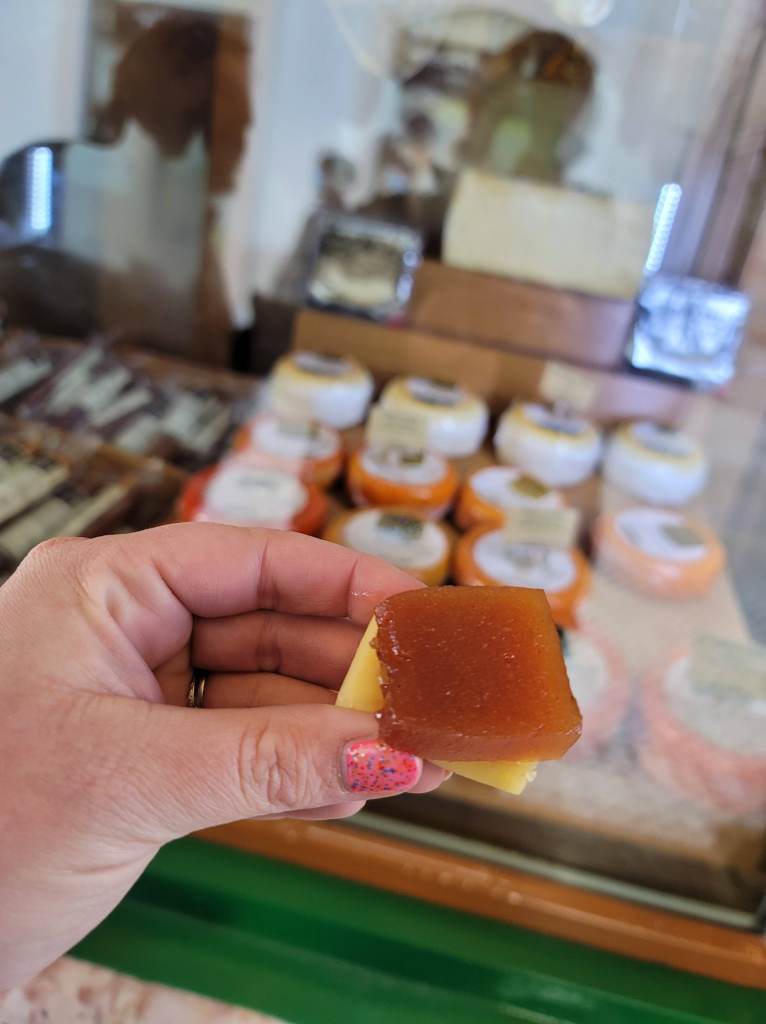
●A deli stop with a quince paste/cheese pairing (similar to a staple in our house which is Manchego with guava paste, for a Florida twist) with port
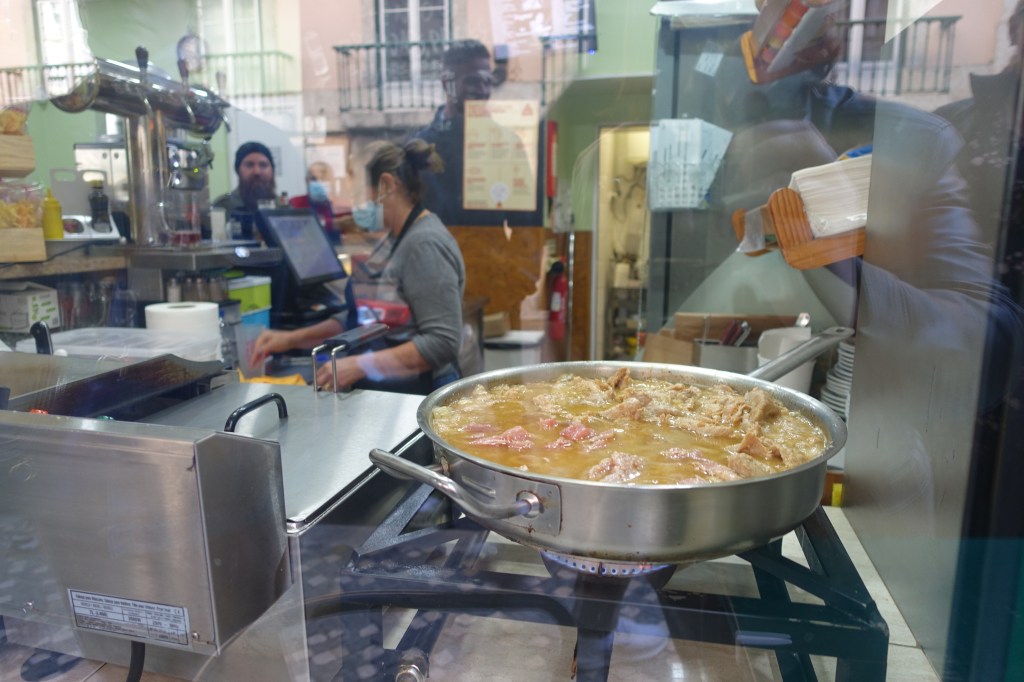
● A small restaurant that specialized in Bifana– a slow-stewed pork sandwich that I grew up eating– served with an ice-cold regional beer
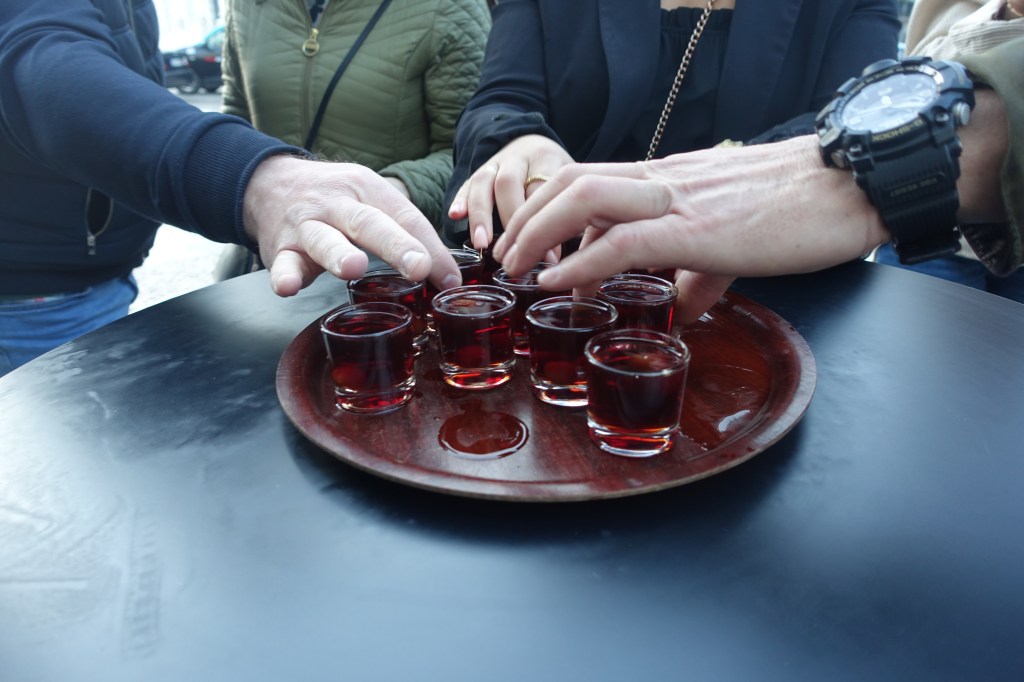
● Ginja! Ginja is a Portuguese liqueur made by infusing ginja berries in alcohol and adding sugar together with other ingredients, typically clove or cinnamon, and served as a shot
The food tour was a great introduction to typical food and drink in Lisbon, with some history and touring advice peppered in. The tour was ~€50 and you leave full of food, drink, and knowledge.
There’s Beer, too!
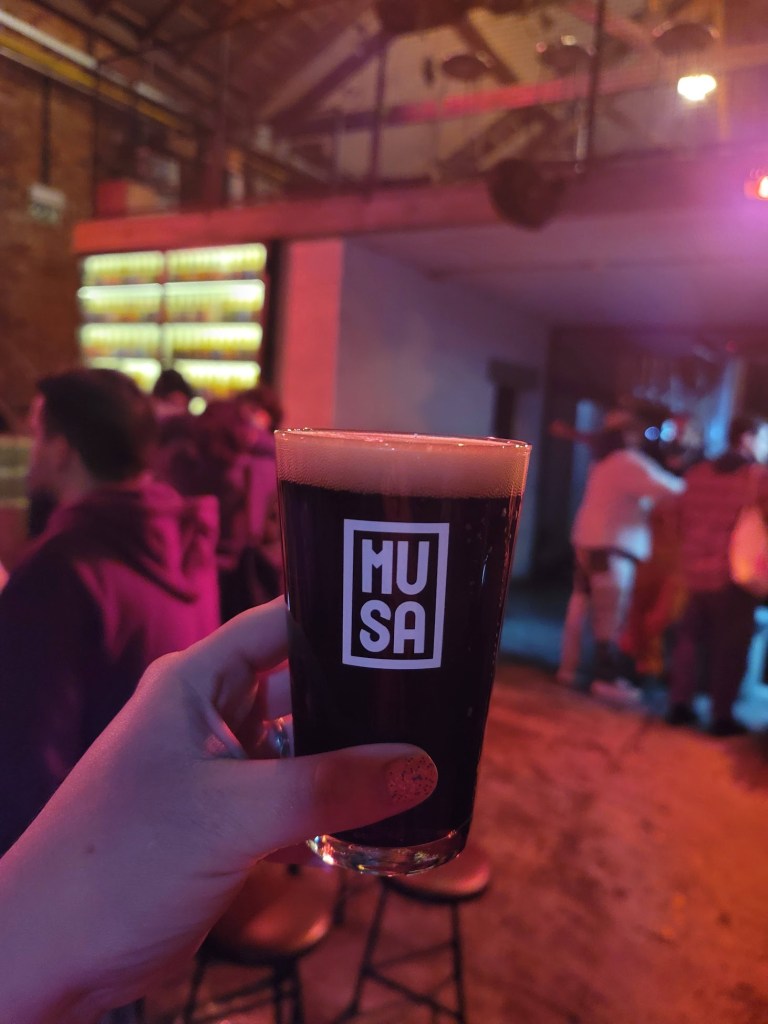
I’m still wrapping my head around all of the craft beer options that have been popping up in Southern European countries. For the longest time, Europe (with or without knowing it) followed something called the “Grain-Grape Line.” This invisible line cut across the continent basically divided it into beer drinkers to the north and wine drinkers to the south. The theory is that places that had a heavy Roman influence, became wine drinkers because the Romans stayed long enough to see the need to establish grape vines. The pervasive thought that beer is a drink for the uncultured can be traced all the way back to the Romans; places that they were unable to get a foothold (in the North) were primarily beer-making societies, so-called “Barbarians.” Now that we’ve got a little beer history under our belts, back to the show– I was shocked at the number of craft breweries and bars in Lisbon. There were easily close to a dozen spots to choose from, but we decided on two spots that were within walking distance of each other in the Marvila neighborhood: Musa and Dois Corvos. Both breweries were great, with beer that would rival any craft location in the US. Musa had a Rock N’ Roll theme, with beers named “Frank APA” and “Baltic Sabbath.” Dois Corvos spoke to my bird-nerd heart, with the name meaning “two crows” in English. I had a delightful pilsner and David had an imperial porter– both worth ordering again.
Adeus
Lisbon was overwhelming. The food, the drinks, the views, the people, and the hills (lol) were all over-the-top. We spent a little over two days wandering and could easily return for a week or more. If you have a chance for a visit, or even a long layover– do it, you will leave with a full stomach and a full heart.