
When I was planning our food adventure in France, I knew that I wanted to go to Dijon. We both love the mustard and we served Bœuf bourguignon at our wedding, it seemed fitting to try and get a little taste of Burgundy in a foodie destination. However, we were guilty of something that is easy to do as a frequent European visitor, and that is underestimating the size of France. The train journey from Lyon was a little over two hours and by the time I realized that, my heart was already set and you better believe that I booked a 6:00AM train to maximize our day. Thus, our journey to Dijon began with a scenic train ride from Lyon, which we absolutely slept through. As we rolled into the station, we wiped the sleep from our eyes, eager to explore the heart of Burgundy, renowned for its rich history, exquisite cuisine, and, of course, world-famous mustard.

A Dollop of History
Dijon, the capital of the Burgundy region in France, is a city steeped in history and renowned for its rich cultural heritage. As we wandered through its charming streets, we couldn’t help but feel transported back in time. Dijon was once the epicenter of the powerful Duchy of Burgundy, a realm that played a pivotal role in European politics during the Middle Ages. The dukes of Burgundy, particularly during the 14th and 15th centuries, amassed great wealth and influence, leaving behind an impressive architectural legacy that still captivates visitors today.
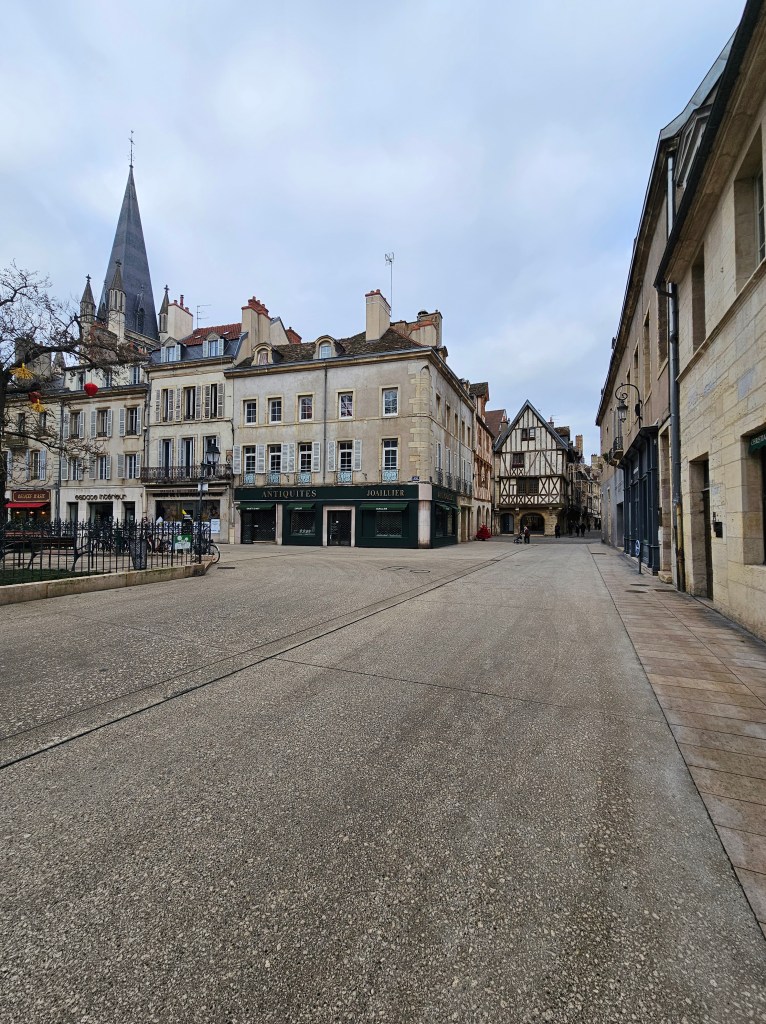
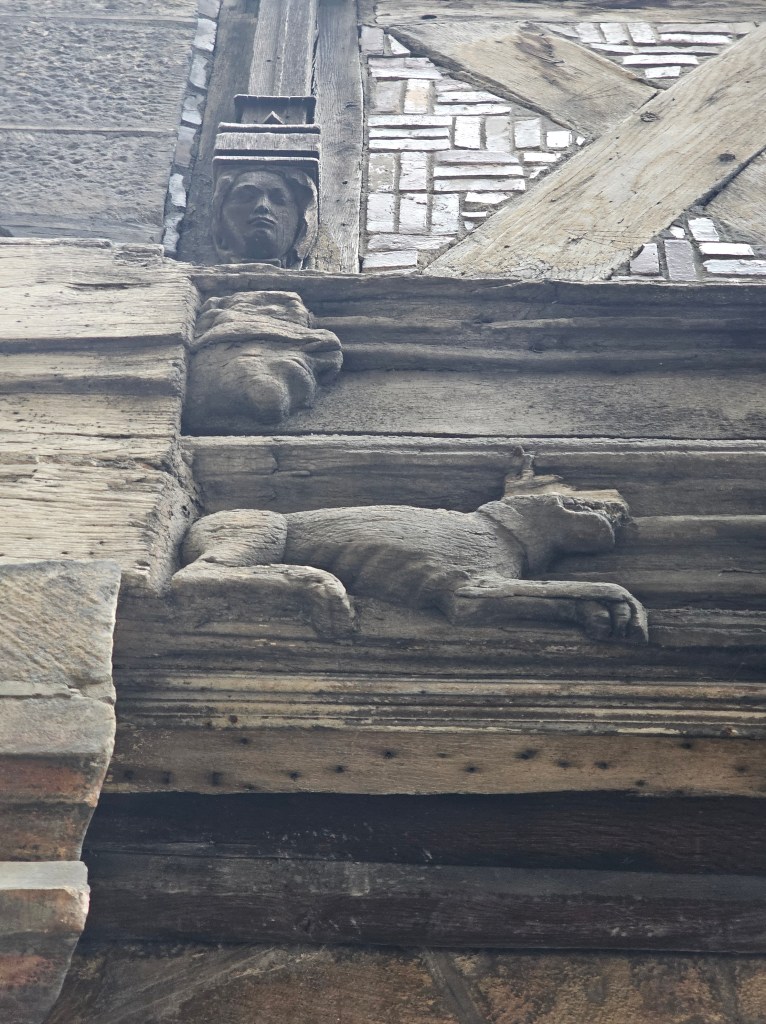
One of the most striking features of Dijon is its well-preserved medieval core, characterized by picturesque timber-framed houses. These charming structures, with their intricate wooden beams and colorful facades, are a testament to the city’s architectural heritage. The Maison Millière, for instance, is a perfect example of this traditional Burgundian architecture, offering a glimpse into the past with its 15th-century design. Strolling through the cobbled streets, we could almost hear the echoes of history reverberating off these ancient walls.
The Burgundy region itself is synonymous with exquisite wine, and Dijon serves as a gateway to some of the world’s most celebrated vineyards. The rolling hills and lush vineyards of the Côte de Nuits and Côte de Beaune produce wines that have delighted connoisseurs for centuries. Beyond its vinicultural fame, Burgundy is also known for its mustard, with Dijon mustard being a staple in culinary traditions worldwide. As we explored this enchanting city, the blend of historical grandeur and culinary excellence created an unforgettable tapestry of experiences
Exploring Dijon
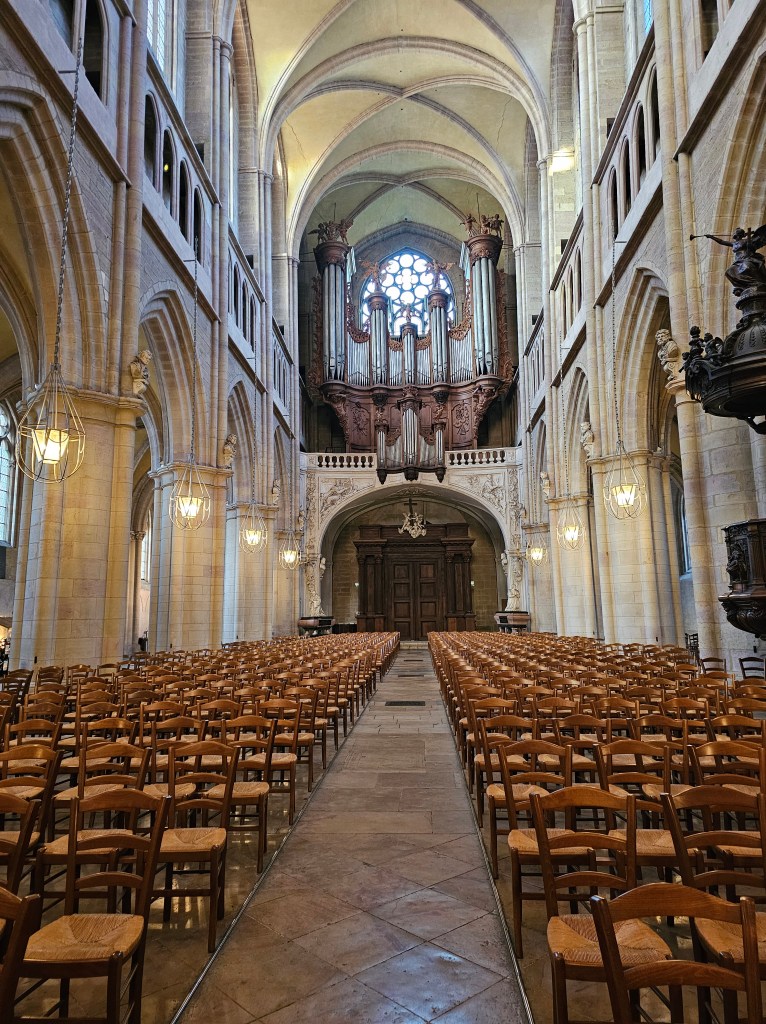
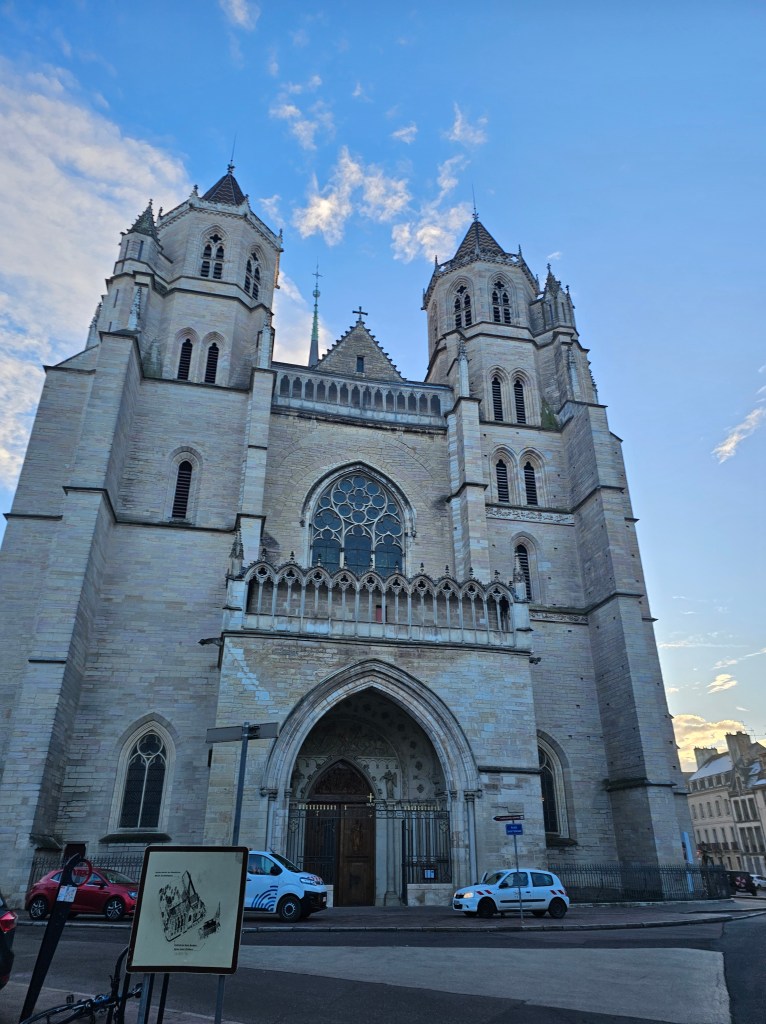
Dijon is a city that invites exploration. Cathedrale Saint-Benigne is an architectural marvel that greeted us with its striking Gothic façade. Its towering spires and intricate stonework are a testament to centuries of craftsmanship and devotion. Inside, the serene ambiance and stunning stained glass windows provided a moment of reflection and awe. Conveniently close to the train station, this was our first stop of the day, setting a perfect tone for exploring the city.
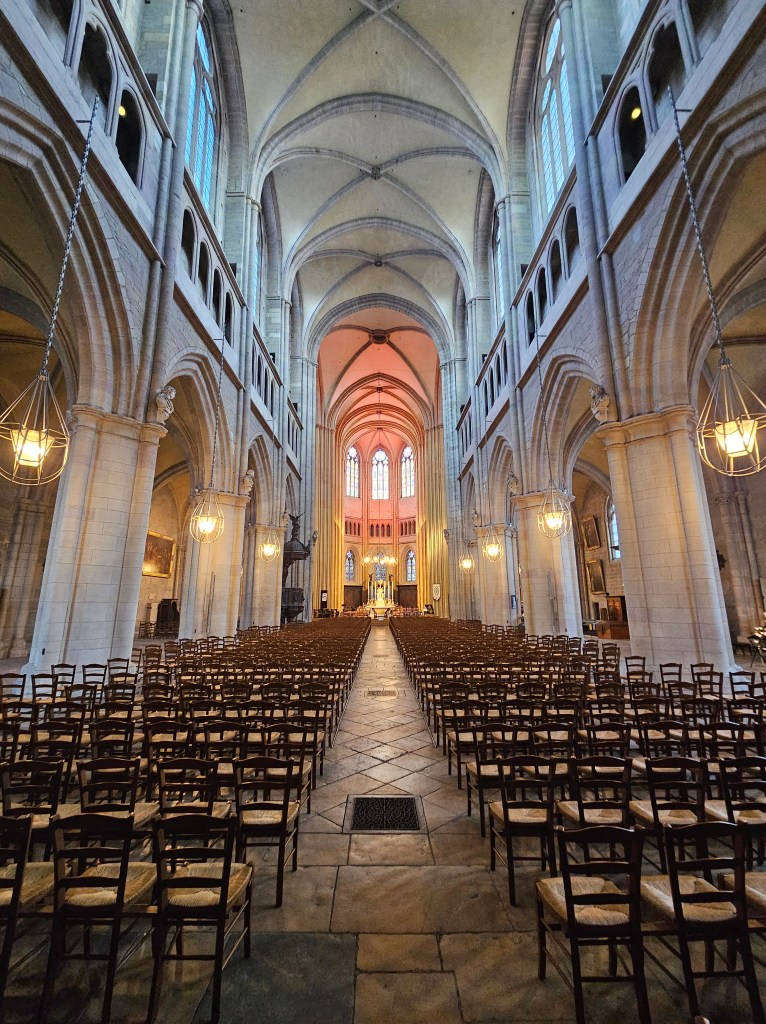
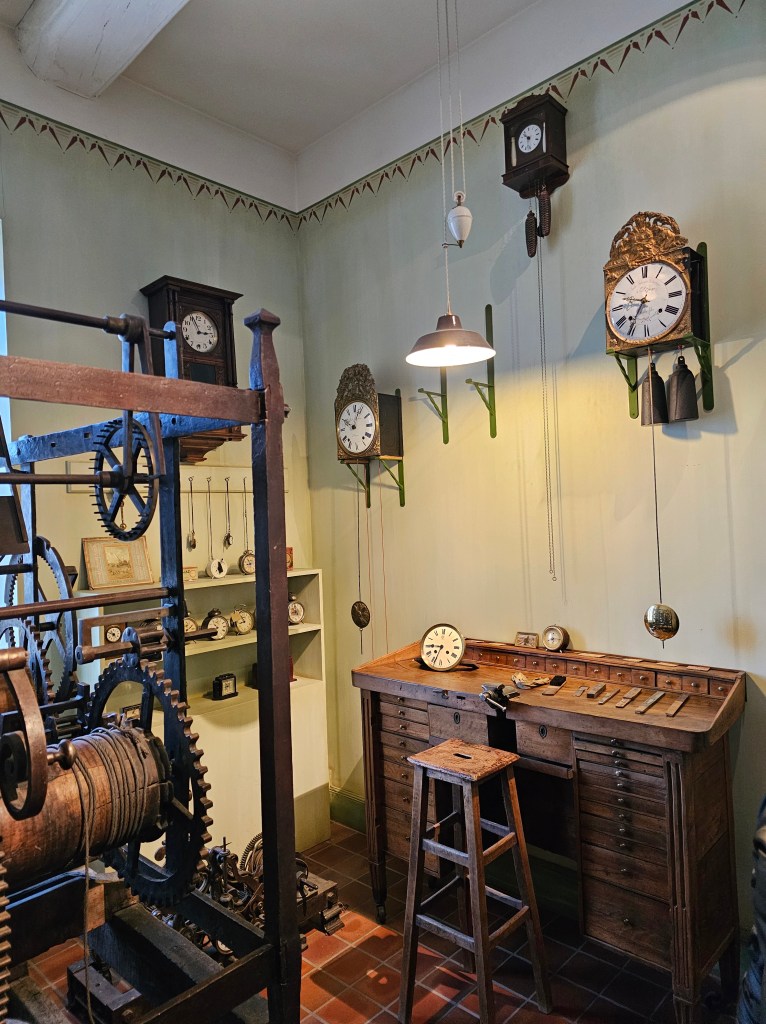
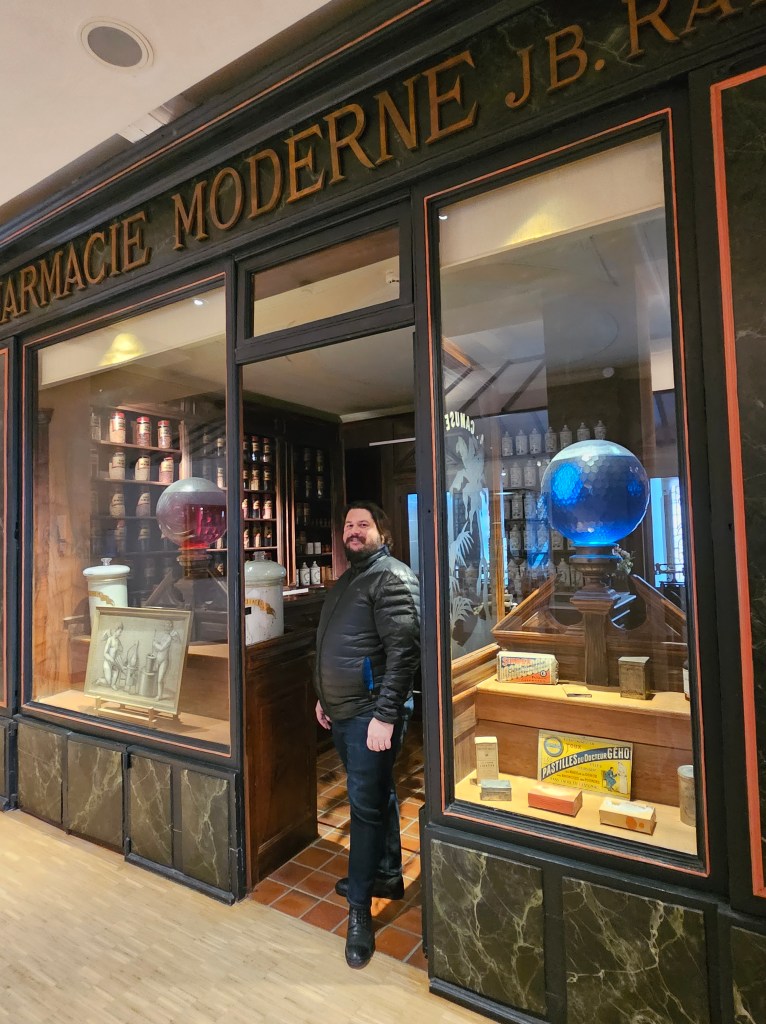
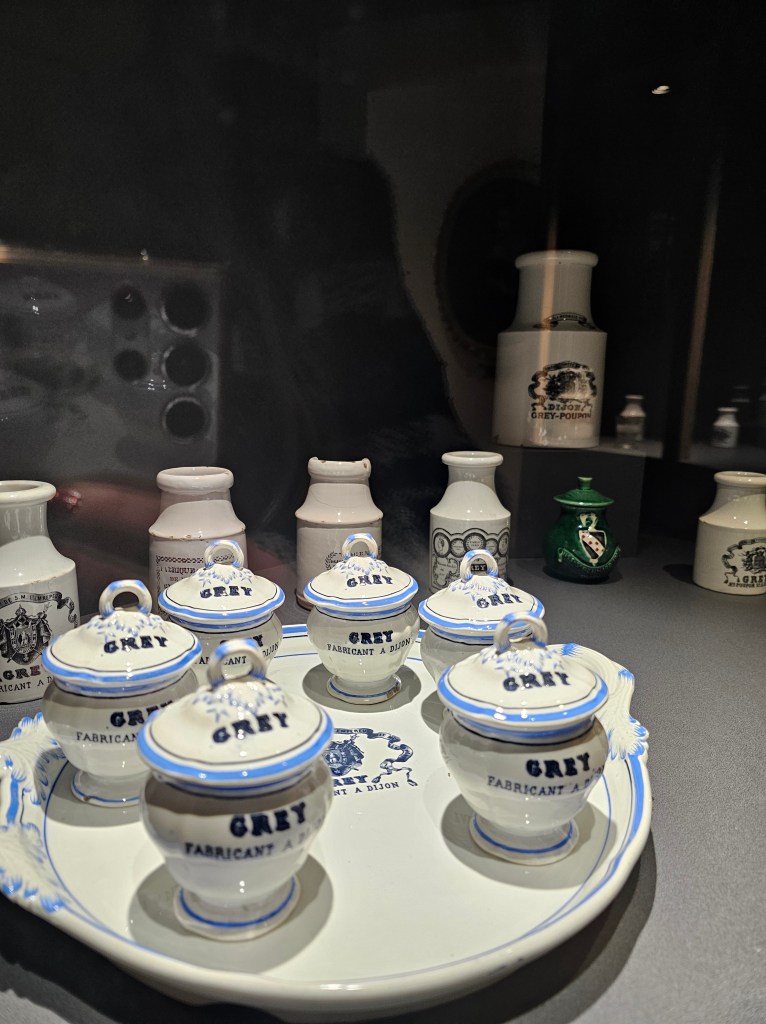
We then dove deeper into the culture of the region at the Museum of Burgundy Life, where exhibits vividly portrayed daily life in the region from the 18th century onwards. This museum offers an immersive journey through time, showcasing traditional Burgundian crafts, costumes, and household items. The meticulously recreated shops and homes give a tangible sense of the past, making history come alive in a way that is both educational and engaging. It’s kitschy but definitely worth a visit, if you have the time.
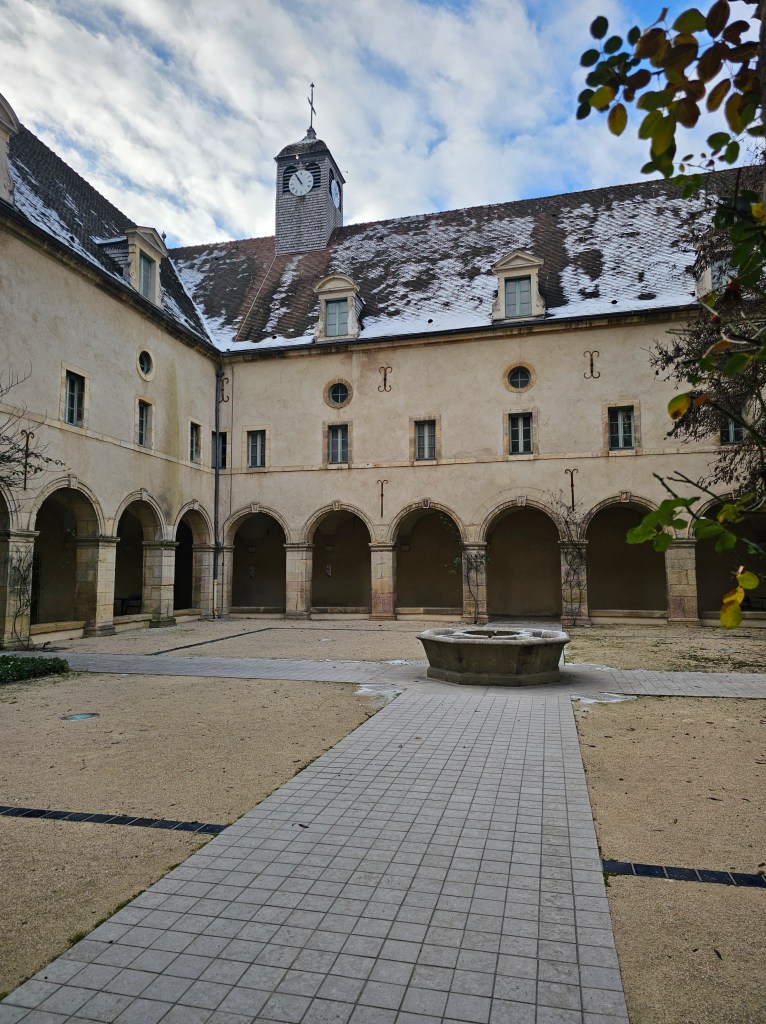
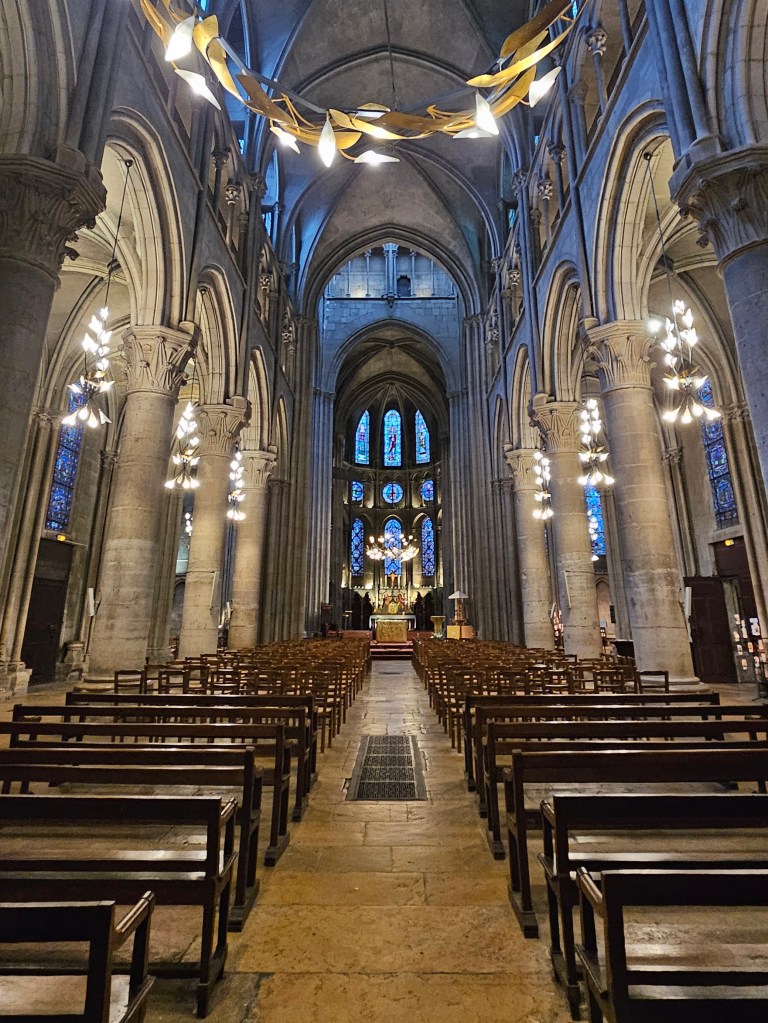
Next, we visited the Notre-Dame Cathedral, an architectural marvel with its striking Gothic façade and beautiful stained glass windows. Built in the 13th century, this cathedral is a masterpiece of Gothic architecture, renowned for its intricate carvings and the famous Jacquemart clock. Inside, the soaring nave and the ethereal light filtering through the stained glass create a serene and awe-inspiring atmosphere, inviting contemplation and admiration.
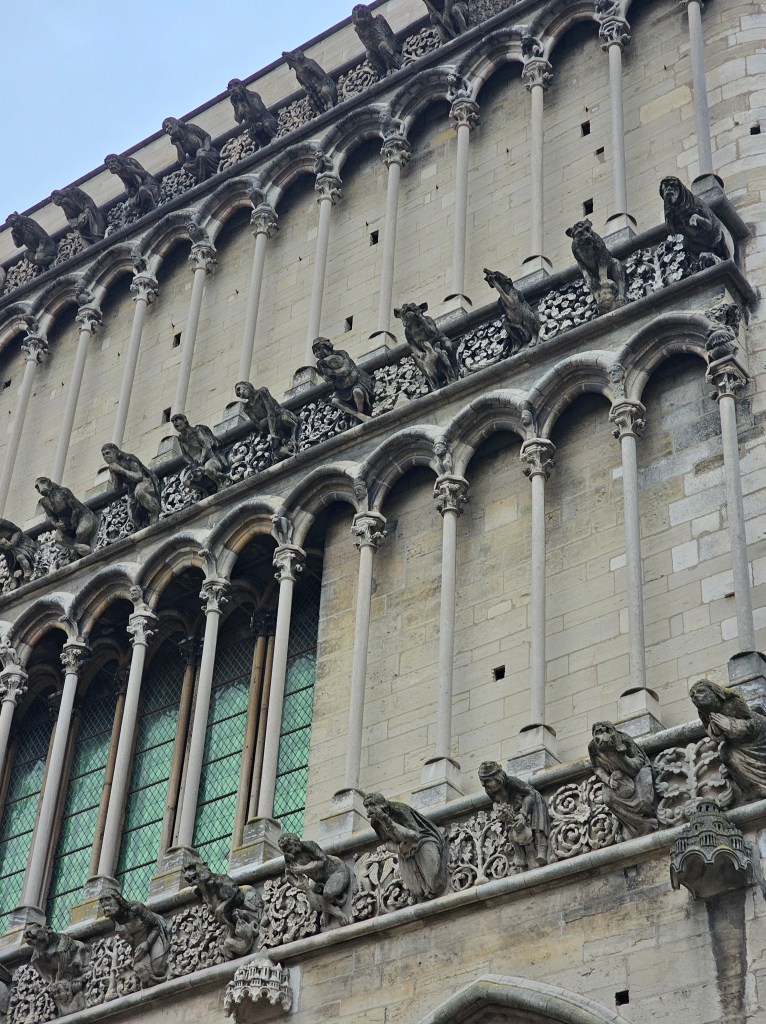
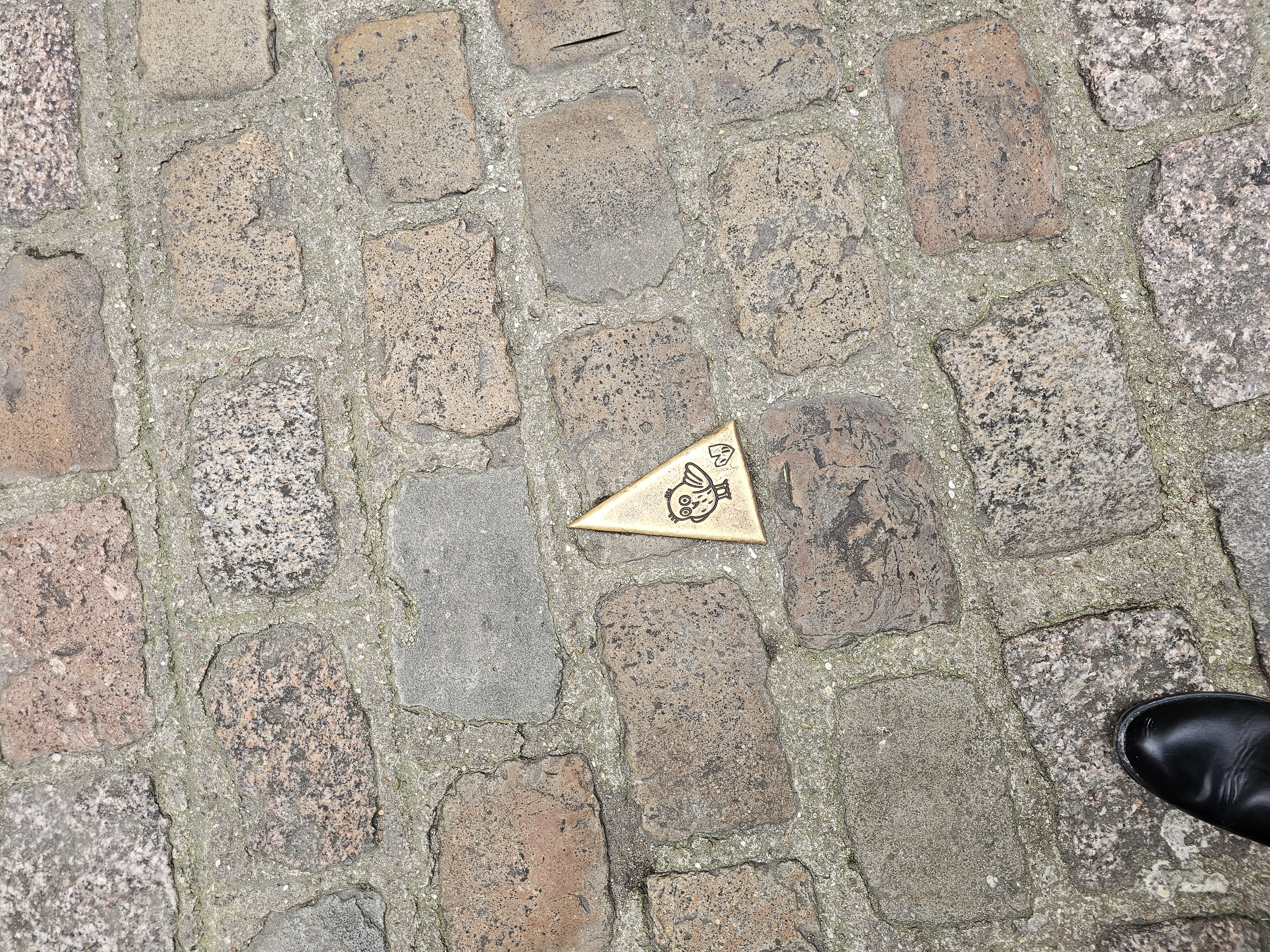
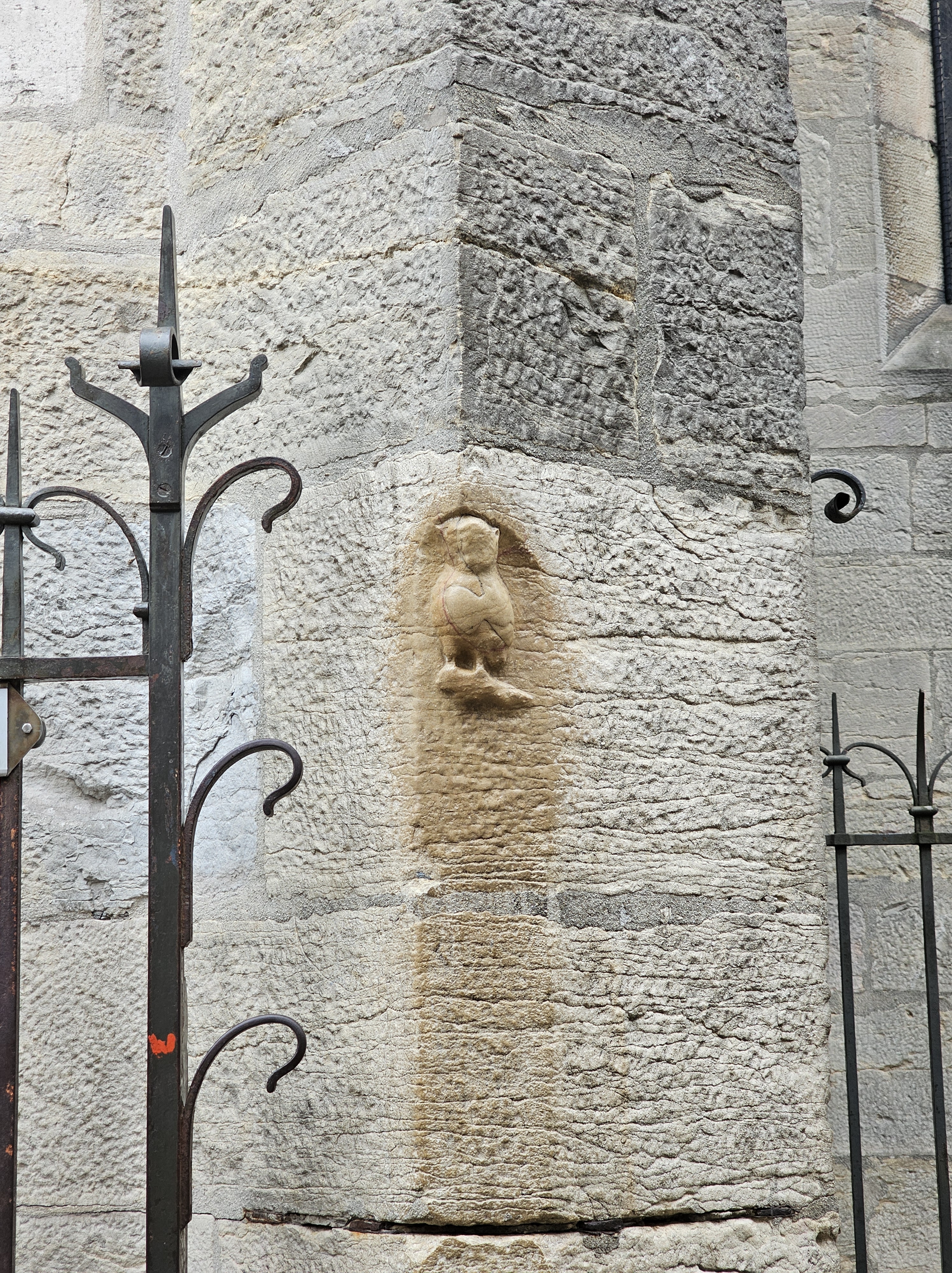
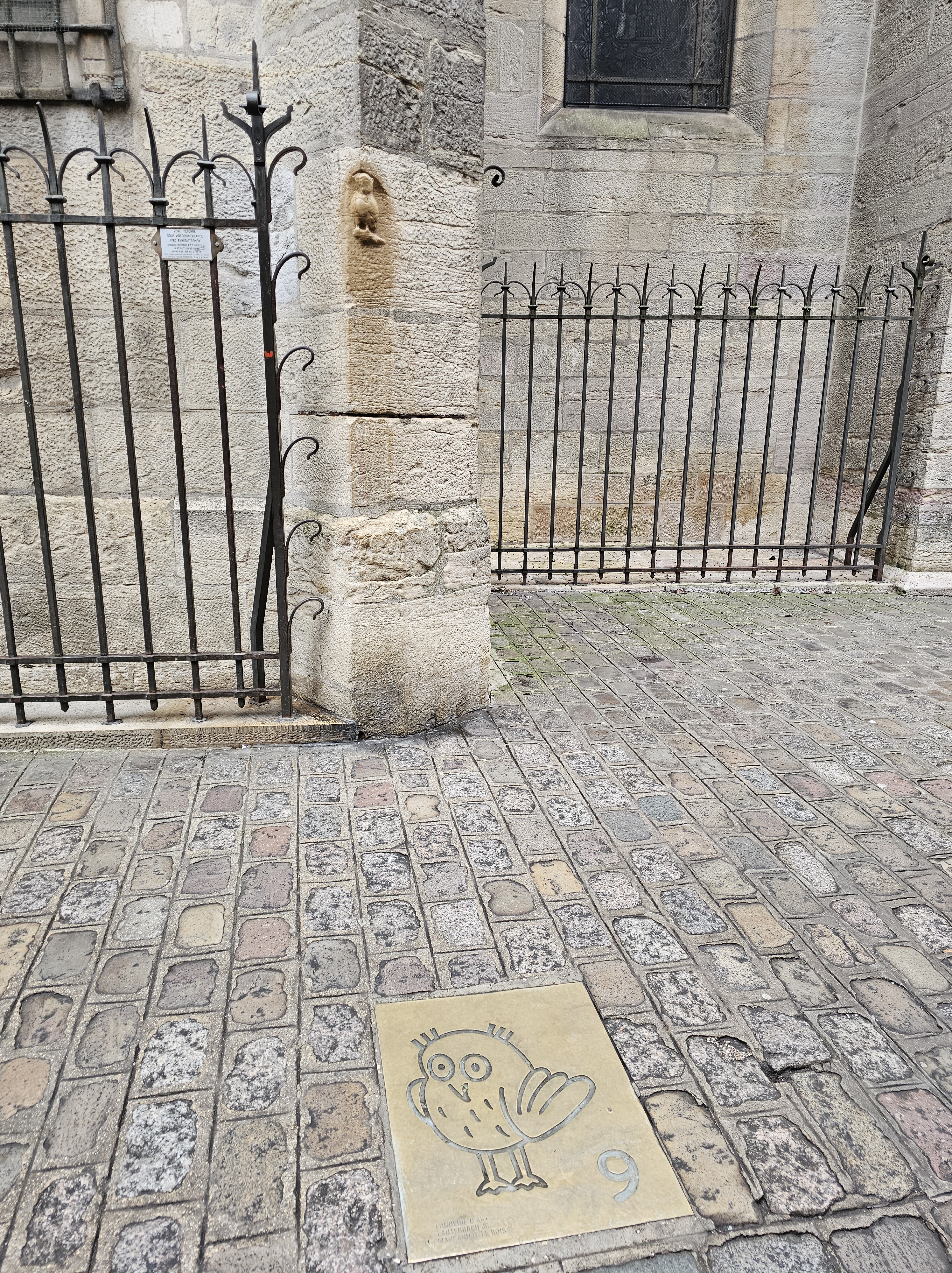
Following the Owl of Dijon path was a fun way to see the city’s highlights. The brass owl plaques on the ground are numbered for reference and led us to notable sites, most with a placard out front with a little detail about what we were seeing. La Chouette (the owl) is a symbol of Dijon and can be seen on the Notre Dame Cathedral about six feet off the ground. It’s said that if you make a wish while stroking it’s little face, that wish will come true. The Owl Path does have an app available for a small fee, which I found incredibly informational and fun!
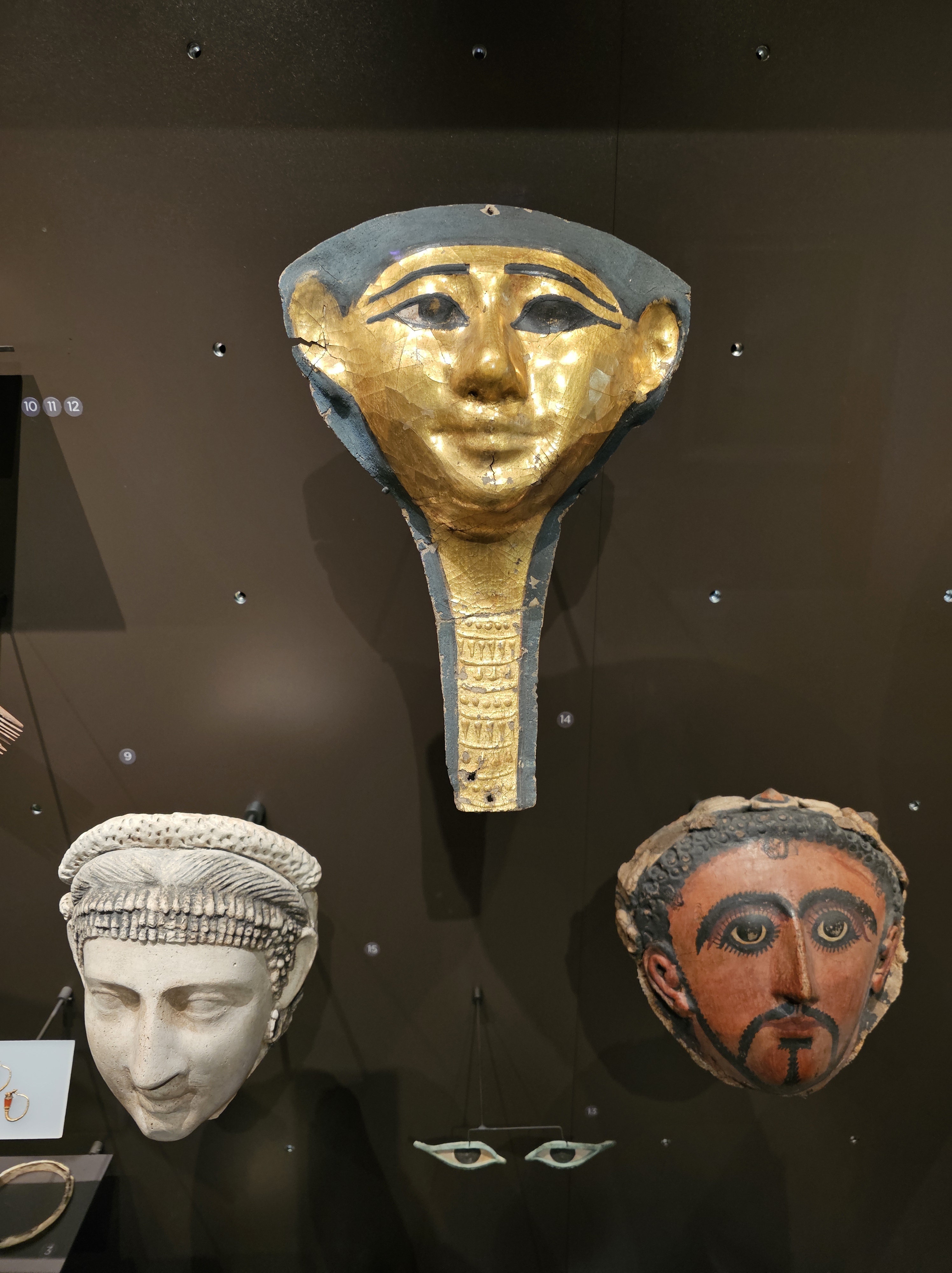
The Museum of Fine Arts in Dijon is a treasure trove of artistic masterpieces. Housed in the historic Palais des Ducs, it boasts an extensive collection that spans centuries and continents. From ancient Egyptian artifacts to contemporary works, the museum offers a rich tapestry of human creativity. Highlights include the remarkable collection of medieval art, reflecting Burgundy’s significant role in the cultural and political life of medieval Europe. The Renaissance and Baroque sections are equally impressive, featuring works by masters such as Titian and Rubens, which provide a fascinating journey through the evolution of European art.
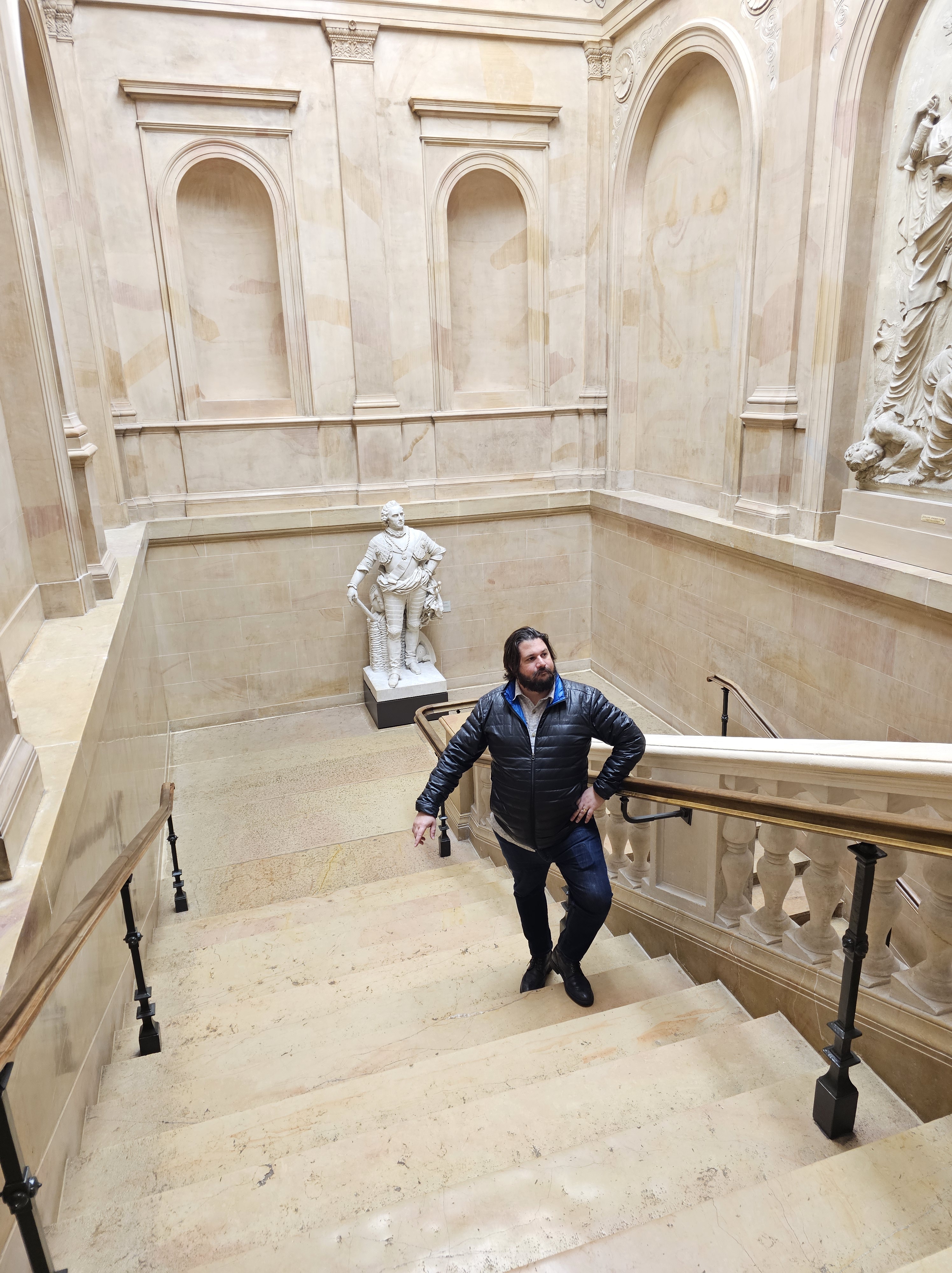
The Palais des Ducs itself is a historical monument that adds to the grandeur of Dijon’s cityscape. Once the seat of the Dukes of Burgundy, this palace is an architectural marvel, blending medieval and Renaissance styles. The Tour Philippe le Bon offers panoramic views of the city, providing a unique perspective on Dijon’s historical and architectural landscape. The opulent Salle des Gardes and the intricate details of the ducal apartments transport visitors back to a time of ducal splendor and political intrigue, making the Palais des Ducs a must-visit site for anyone interested in the rich history of Burgundy.
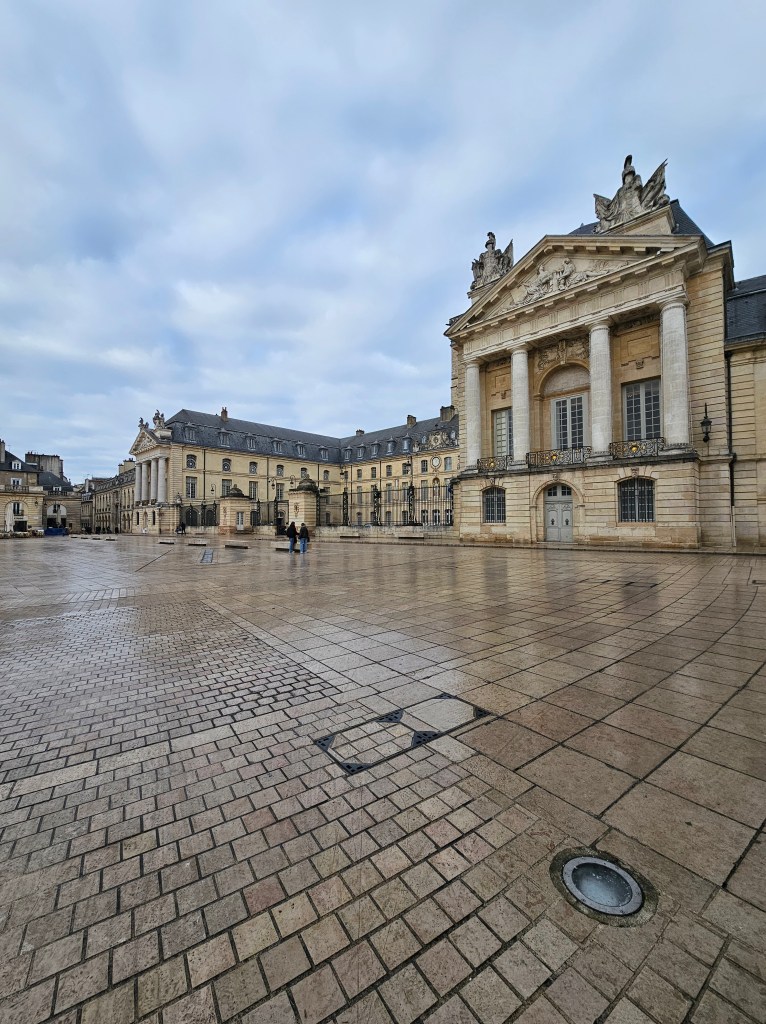
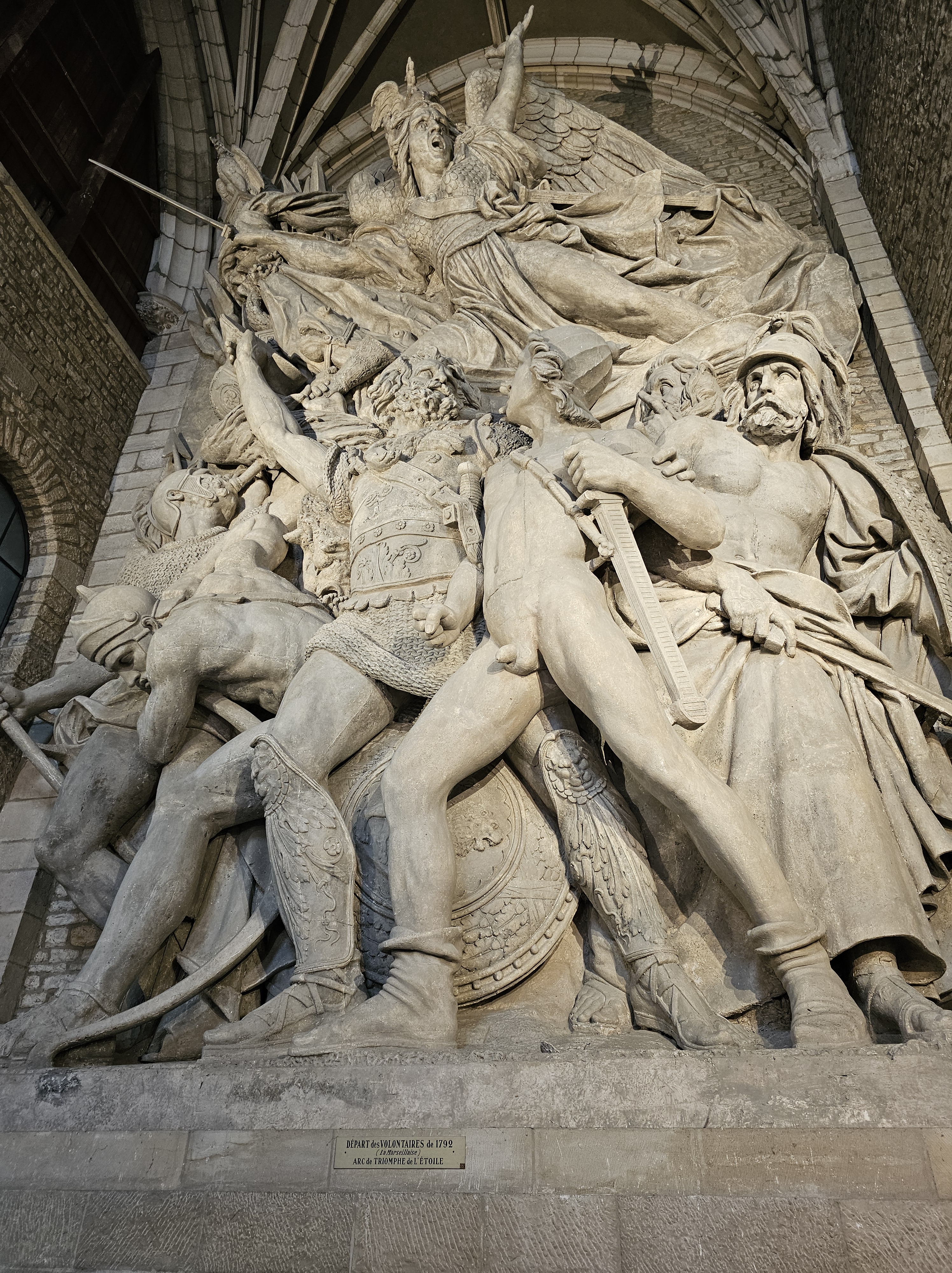
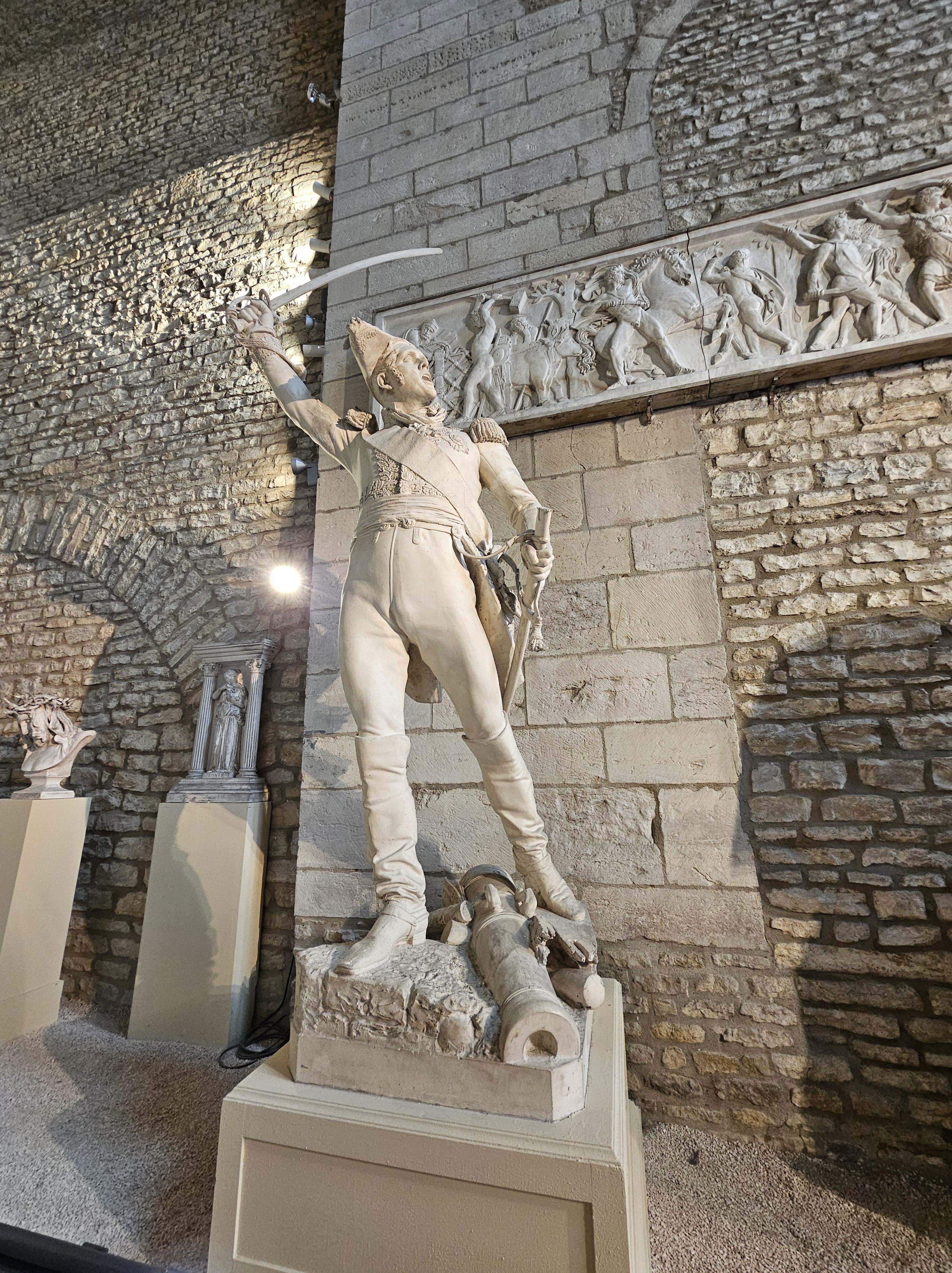
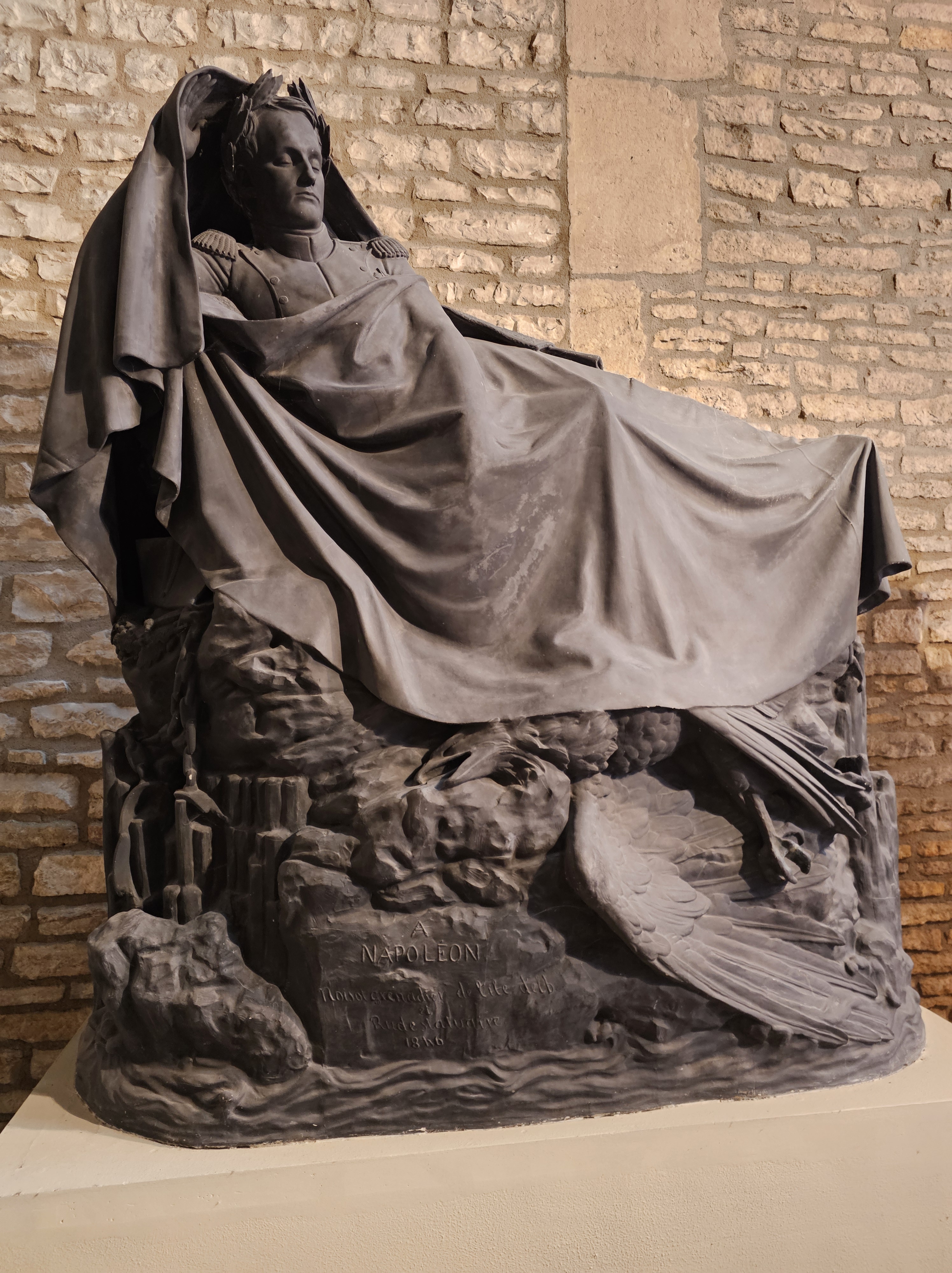
One of the hidden gems we discovered was the Musée Rude, dedicated to the works of François Rude, a celebrated 19th-century sculptor from Dijon. Located in the former Church of Saint-Étienne, this museum showcases Rude’s most famous works, including the iconic “La Marseillaise,” a bas-relief from the Arc de Triomphe in Paris. The museum’s serene setting and the dramatic sculptures provide a profound insight into Rude’s artistic genius and his contribution to the world of art.
Wine and Cheese? Yes, Please!
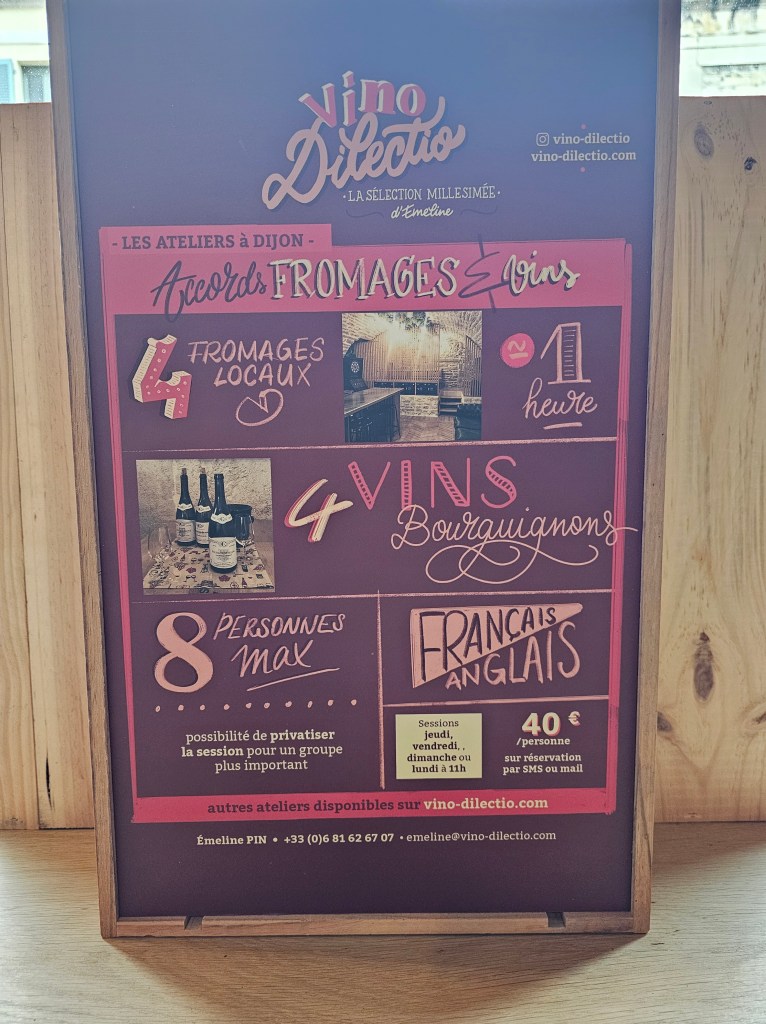
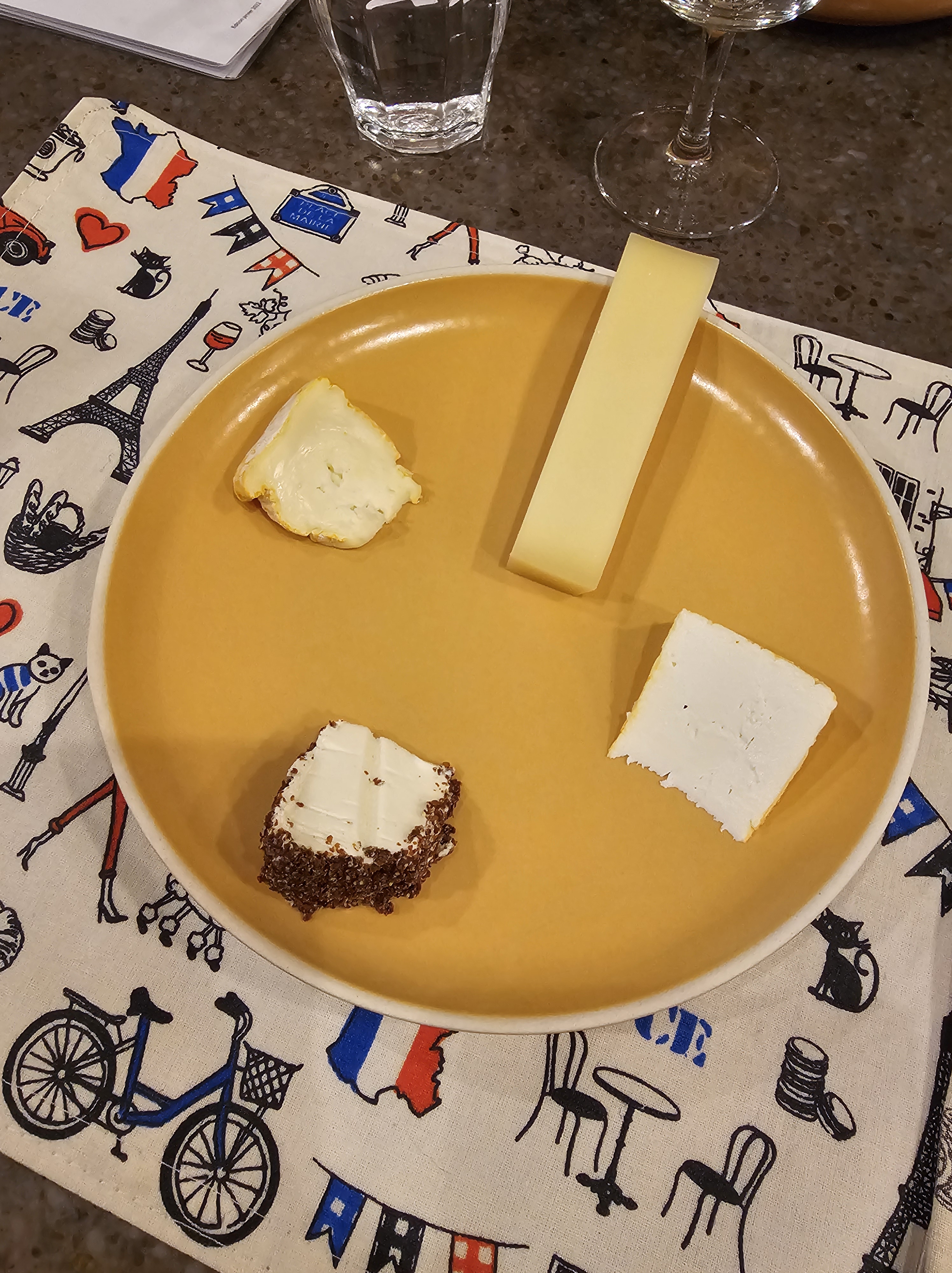
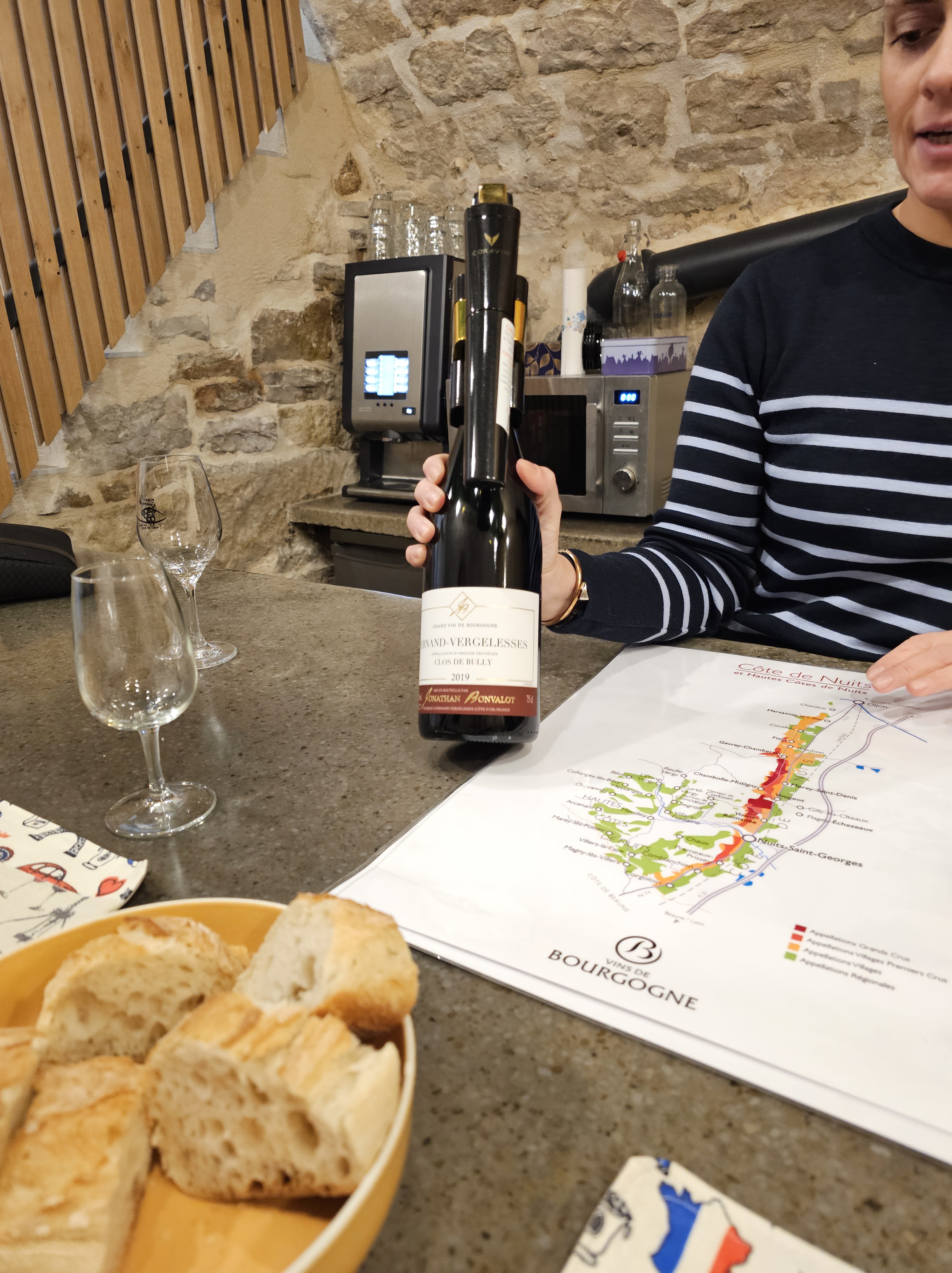
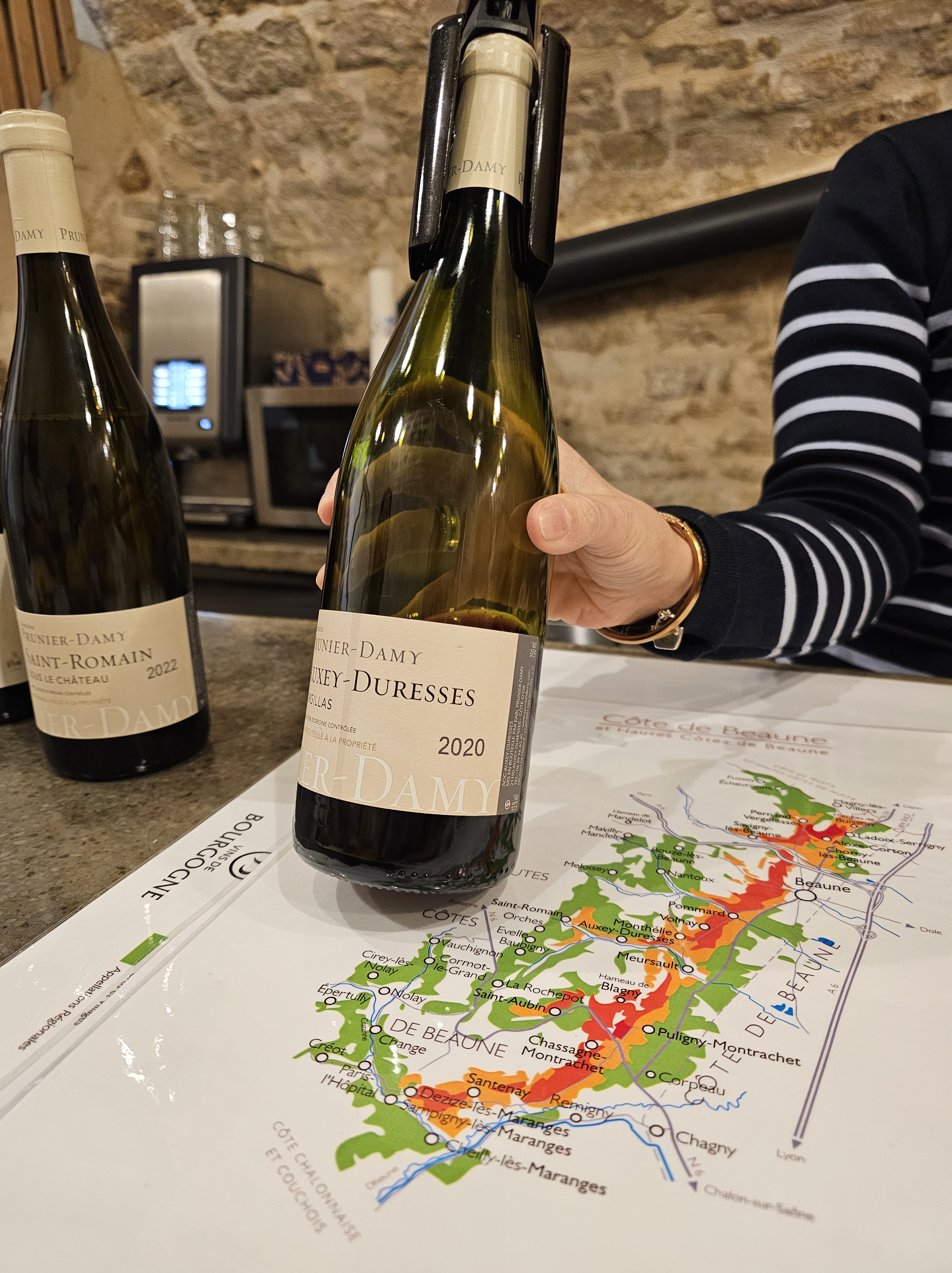
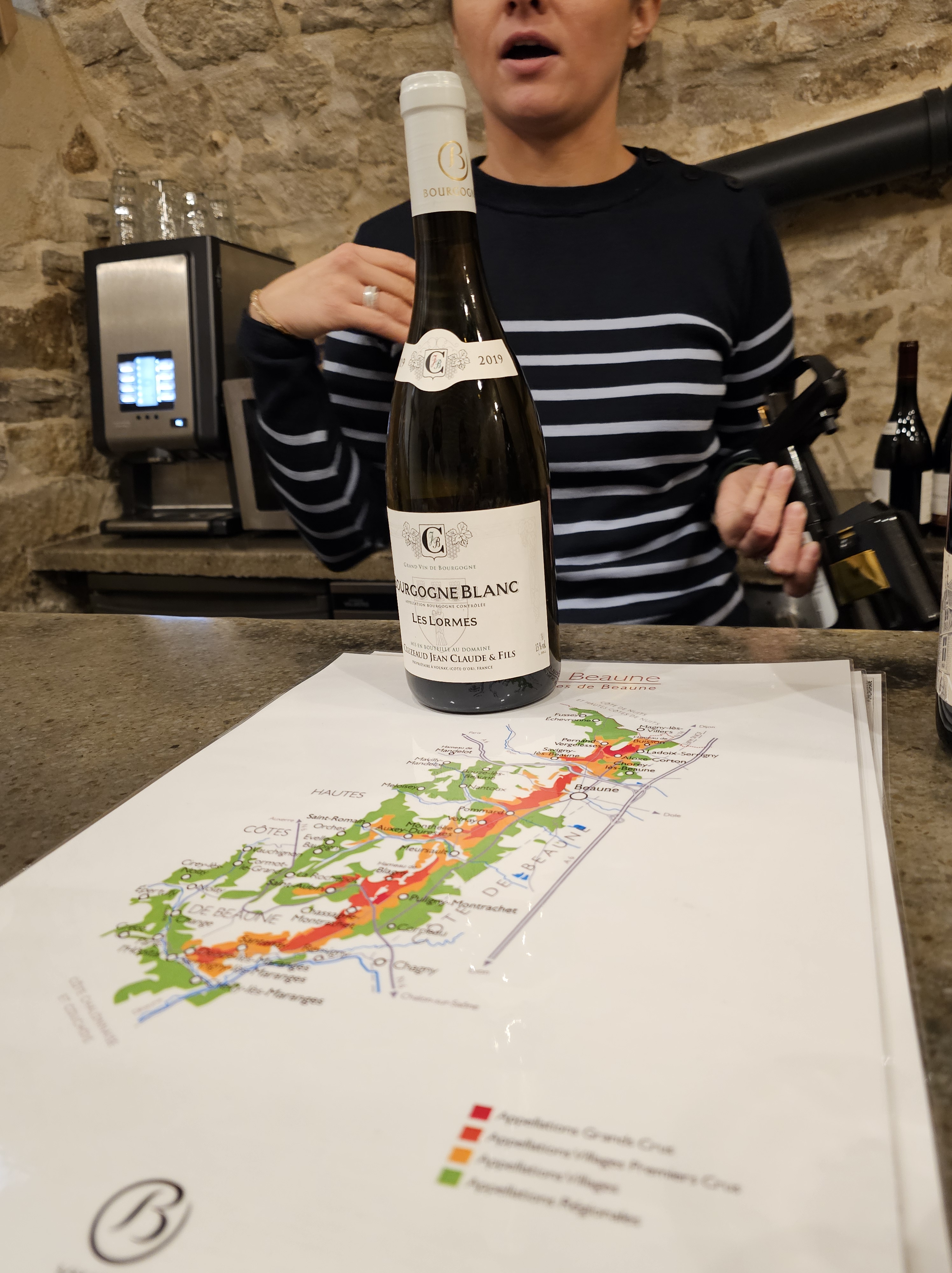
We couldn’t resist the opportunity to try Burgundy IN Burgundy. Our time in Dijon was tight but luckily we found a private wine and cheese pairing session. Our guide, Emeline, led us through a delightful journey of Burgundy’s best. We sampled four wines, each paired with a complementary cheese.
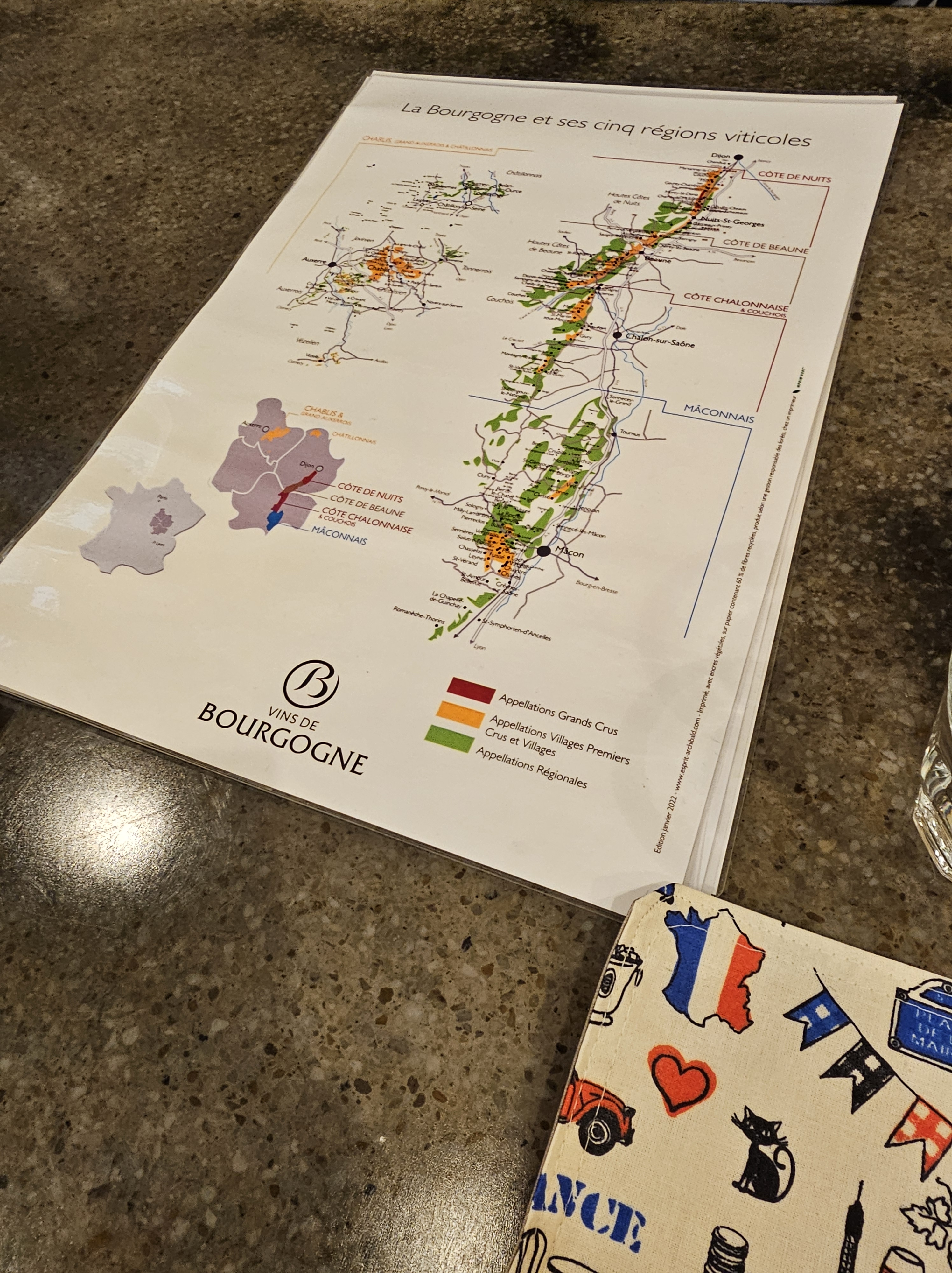
Emeline taught us quite a lot about the Burgundy wine region, which offers a rich tapestry of viticultural history dating back to Roman times, with its monastic roots further shaping its prestigious reputation. The region is primarily known for its exquisite Pinot Noir and Chardonnay, which thrive in its unique terroir—a combination of climate, soil, and topography that imbues the wines with distinct characteristics. Burgundy’s terroir is incredibly diverse, with its famous Côte d’Or escarpment providing an ideal environment for vine cultivation. The limestone-rich soils, varying microclimates, and the meticulous attention to vineyard orientation all contribute to the complexity and distinctiveness of Burgundy wines. Burgundy’s vineyards are meticulously classified, with the most coveted Grand Cru and Premier Cru wines adhering to strict regulations that ensure their quality and authenticity. Notably, the Appellation d’Origine Contrôlée (AOC) system governs the production, demanding precise practices in vineyard management and winemaking. An interesting fact about Burgundy is its unique practice of terroir expression through small, often family-owned plots known as “climats,” each producing wines with their own unique identity. This commitment to tradition and excellence makes Burgundy wines celebrated worldwide for their elegance, complexity, and remarkable aging potential.


An Obvious Stop
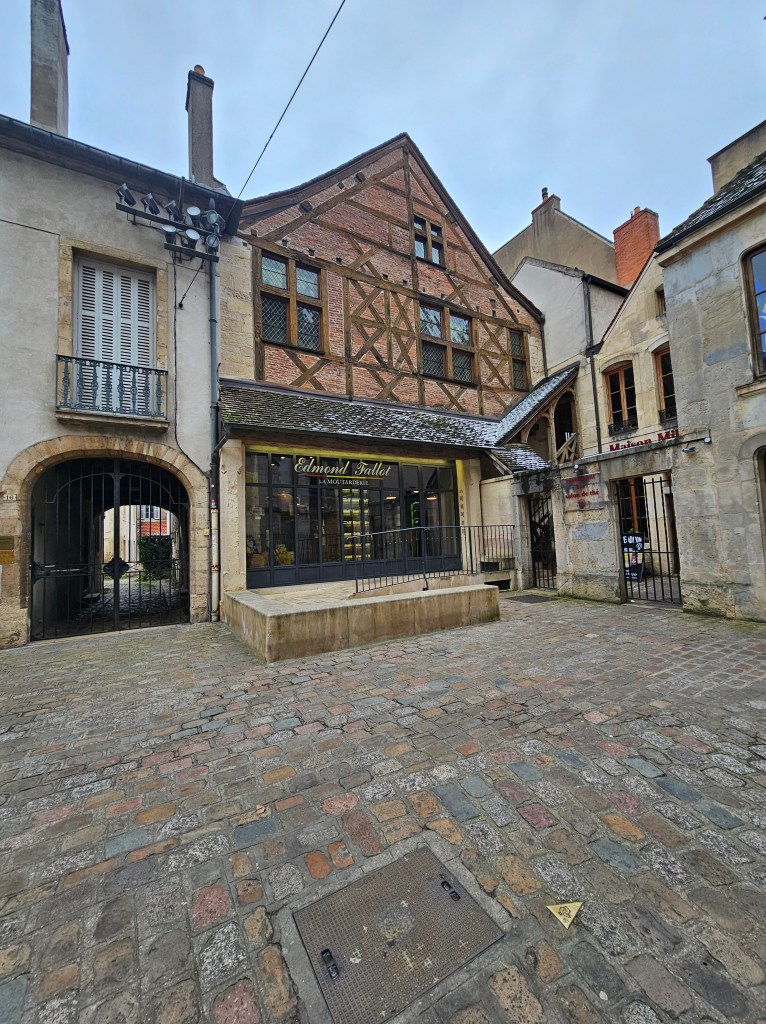
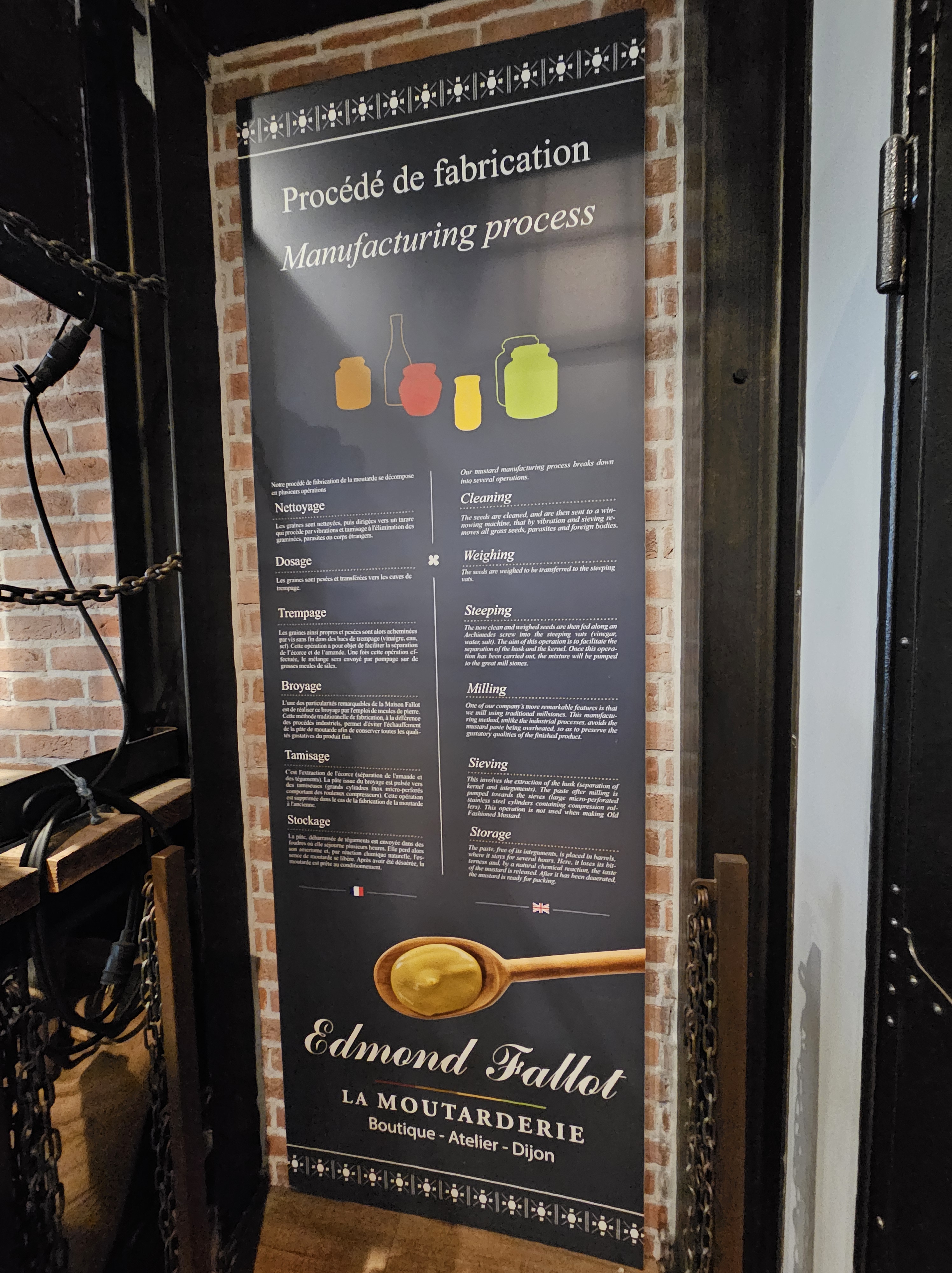
No visit to Dijon would be complete without a mustard tasting. We headed to the La Moutarderie Edmond Fallot store near the Notre Dame Cathedral. La Moutarderie Edmond Fallot is an artisanal mustard producer that has been crafting this iconic condiment since 1840. The small store contained a museum offering a fascinating glimpse into the mustard-making process, from the grinding of seeds to the addition of various flavorings.
We were thrilled to taste a variety of mustards, each with its distinct profile. One standout was the mustard with cassis, a specialty of Dijon that combines the tangy kick of mustard with the sweet tartness of blackcurrant. The experience was both educational and delicious, leaving us with a deeper appreciation for this humble condiment.

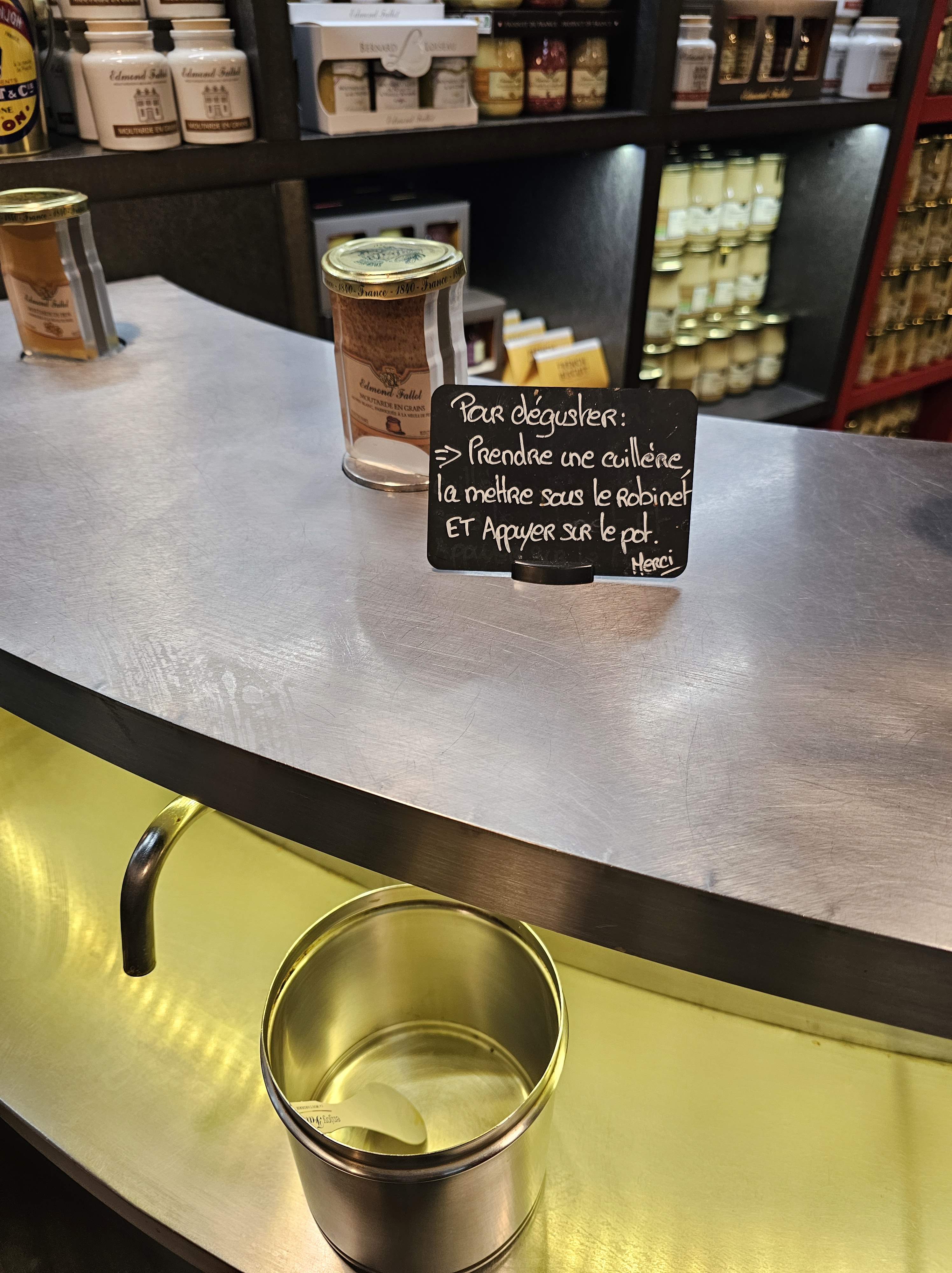

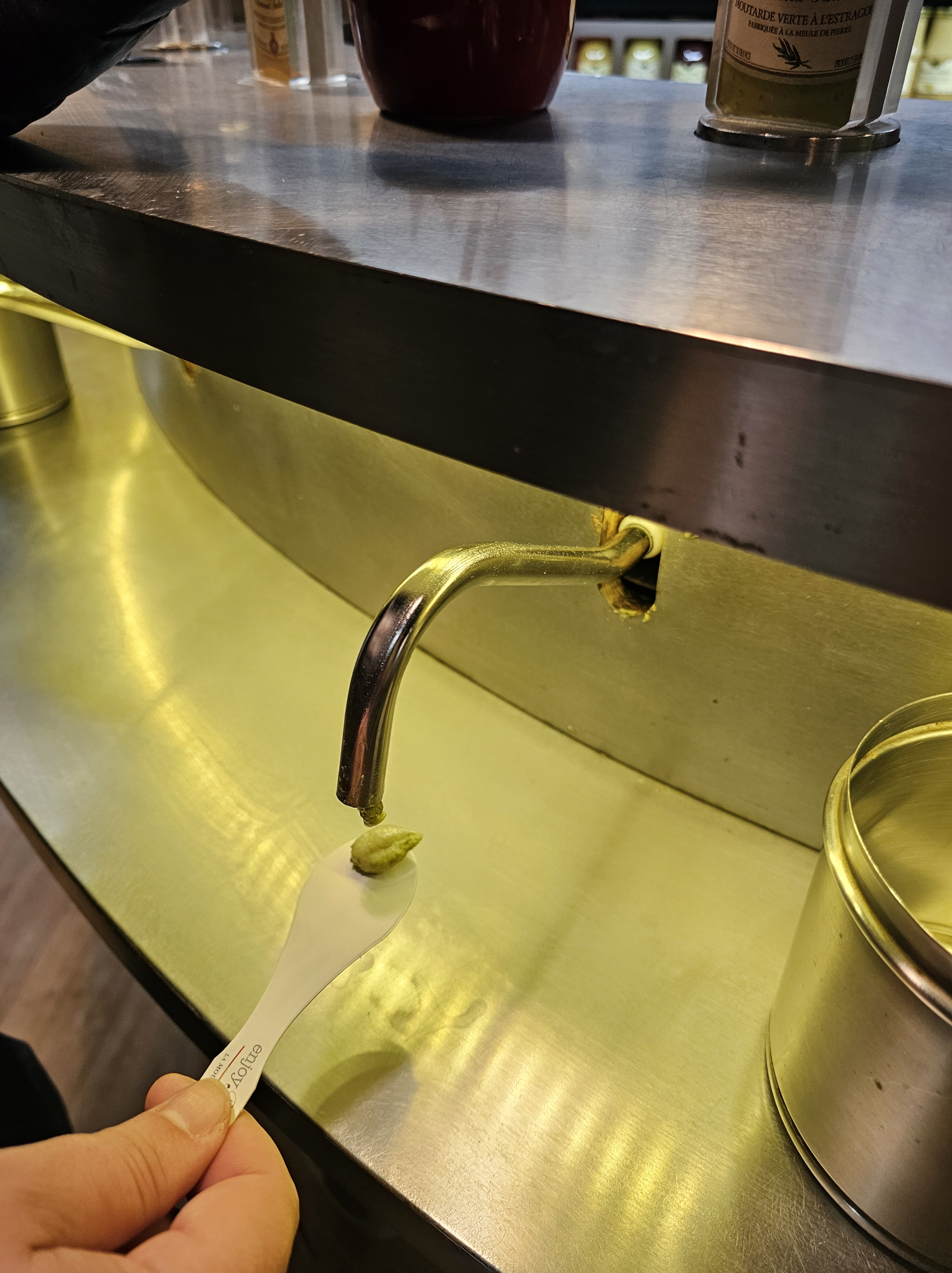

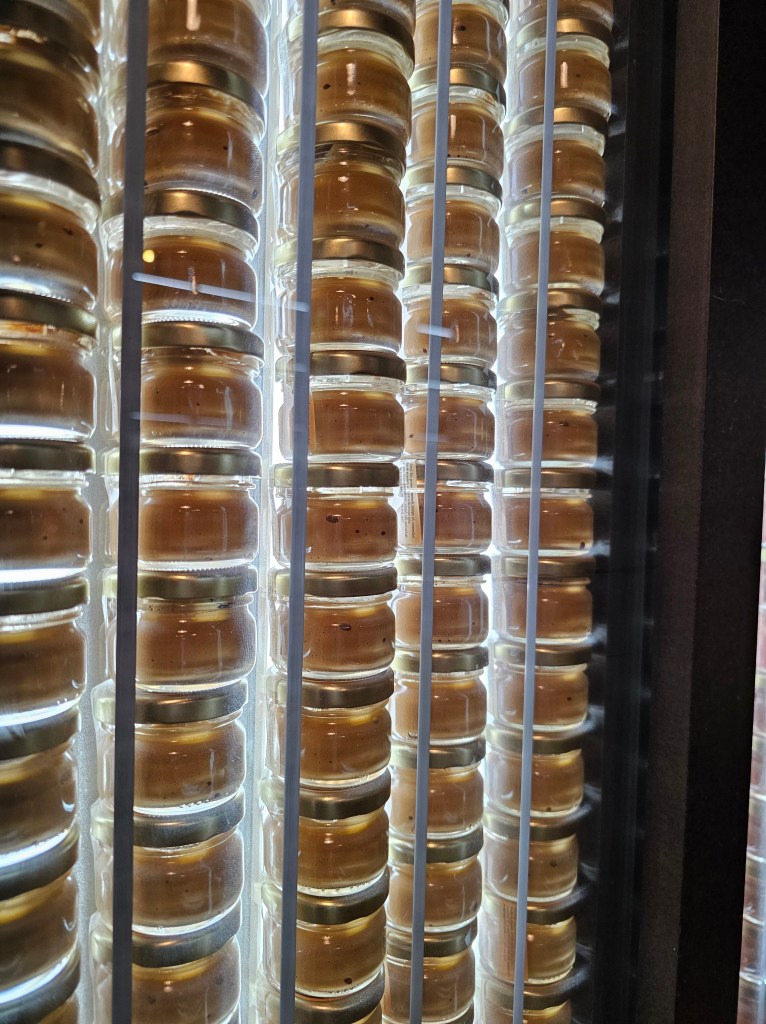
The store itself offered plenty of options for mustard to take home, from multi flavor packs, to carry-on size, and jumbo alike. We left with our bag a little too full but we are still savoring the flavors of Dijon today, so I’d call it a win.
Lunch Like a Duke of Burgundy
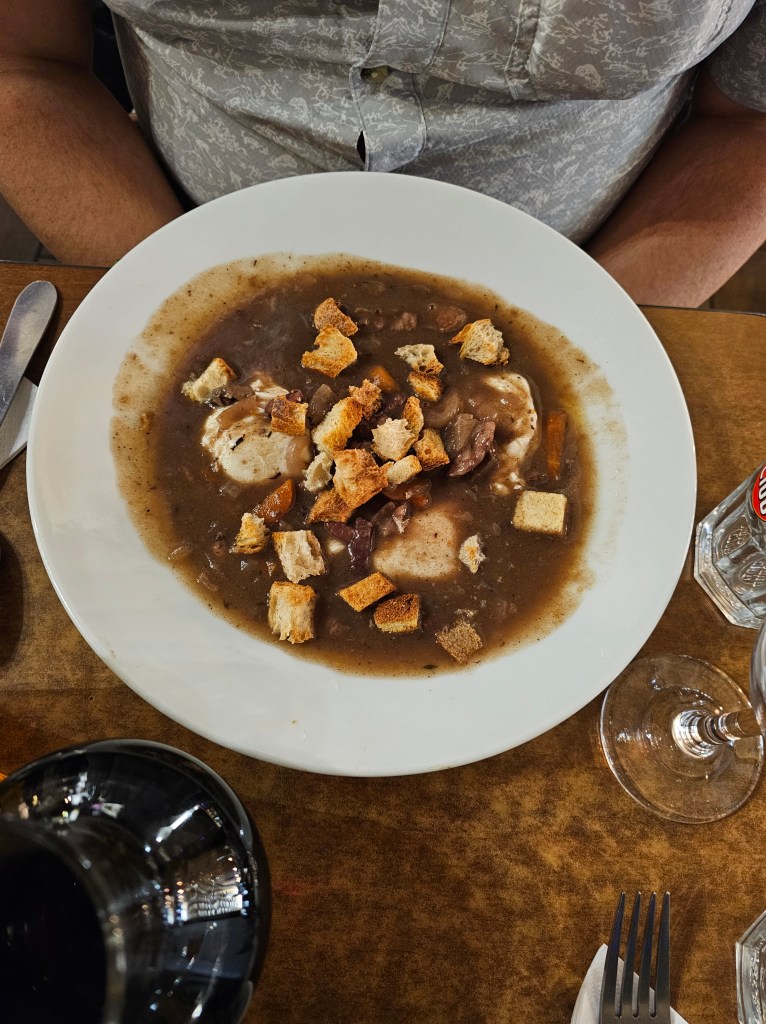
For lunch, we indulged in traditional Burgundy fare at La Comédie. We savored two classic dishes, œufs en meurette, poached eggs in a rich red wine sauce, and bœuf bourguignon, a hearty beef stew slow-cooked in Burgundy wine. We also had a carafe of local red to wash it down– what is lunch in Europe without a liter of table wine? Each dish was a testament to the region’s culinary prowess, with flavors that were both comforting and complex.
A friendly warning about Dijon (and a lot of France outside of Paris): on Mondays, a lot of shops, bakeries, and restaurants tend to be closed. I had a few places picked out to eat and unfortunately, they were closed. Luckily, the place that we ended up lunching at, La Comédie, was delightful.

Even in Wine Country, We Find Beer
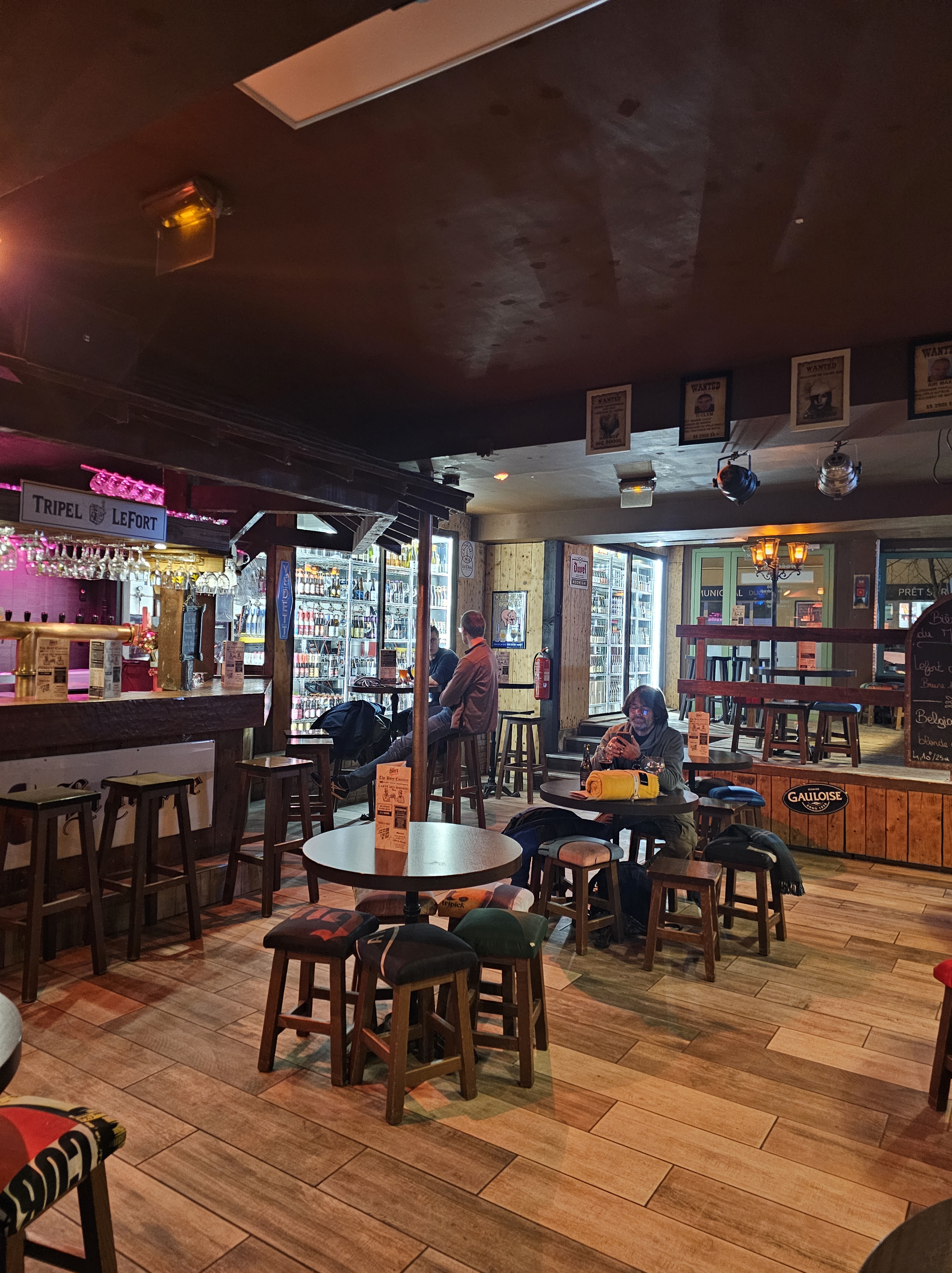
As the day wound down and our return train time ticked near, we made our way to Beer Country, a craft beer bar with an impressive selection. The bar featured an array of French and European craft beers, as well as a fantastic selection of Belgian brews. We enjoyed a couple of pints, each one offering a unique taste of the vibrant craft beer scene.


Back From Whence We Came
Our day in Dijon concluded as we boarded the train back to Lyon, content and inspired by our experiences. Our stomachs were full from mustard tasting, wine and cheese pairings, delicious Burgundian cuisine, and local craft beer and our hearts contented from exploring historical sites and admiring gorgeous art and architecture. Dijon offered a rich tapestry of sensory delights that made for an unforgettable day in Burgundy, I’m looking forward to coming back and exploring the region more in-depth.

 Beer Travelers