
Every year for my husband’s birthday, I like to take him somewhere. Some years, it’s a surprise (like Bruges) and some years I just ask him where he’d like to most go. This trip was one of the asking ones because, as you’ll read, getting there was quite the journey. When I asked him where he’d like to go this year and “Easter Island” popped out of his mouth, I couldn’t help but to ask how he’d landed on that destination so quickly. Well, dear reader, the shower liner in our shower is a map of the world, and it turns out that while staying spick-and-span every day, David had been staring at an island on that map far away from every other patch of land– Easter Island– or as we’d come to learn, Rapa Nui.

The Destination is Worth the Journey
Getting to Rapa Nui is an adventure in itself due to its remote location in the middle of the Pacific Ocean. The island’s limited accessibility adds to its allure, with flights being relatively scarce and mostly operating through Santiago (SCL), Chile’s capital city. When we planned our trip, we knew that flying through Santiago was our best option, as it’s the main gateway to Rapa Nui. The flight from Santiago to Mataveri International Airport to Rapa Nui takes approximately five and a half hours, offering stunning views of the vast Pacific Ocean along the way. Currently Latam is the only commercial airline making the flight to Rapa Nui.

One fun fact that fascinated us about Rapa Nui is its isolation; it’s the closest inhabited land to it is Pitcairn Island, which is over 2,000 kilometers away! There is nothing quite like realizing that you are so far from the rest of the world. This remoteness makes the island feel like a hidden gem waiting to be discovered, adding a sense of adventure to our journey. Despite the scarcity of flights and the long travel time, the effort it took to get to Rapa Nui was absolutely worth it. The island’s unique culture, captivating landscapes, and mysterious history make it a destination unlike any other, and the journey there only added to the sense of wonder and excitement that Rapa Nui offers.
A Bit of History
Rapa Nui, also known as Easter Island, is a small volcanic island located in the southeastern Pacific Ocean. Despite its remote location, the island has a fascinating history that has captured the imaginations of people around the world. The island was first settled by Polynesians around 300 AD, and over time a unique culture developed that was characterized by impressive stone sculptures known as moai. These sculptures were carved from volcanic rock and are believed to have been used to represent the island’s ancestors or deities.
By the 16th century, the island had become isolated from the outside world and the moai-building culture had all but disappeared. In the 18th century, European explorers arrived on the island and brought with them diseases that devastated the population. By the late 19th century, the island was annexed by Chile and its remaining inhabitants were forced to adopt Chilean customs and language.
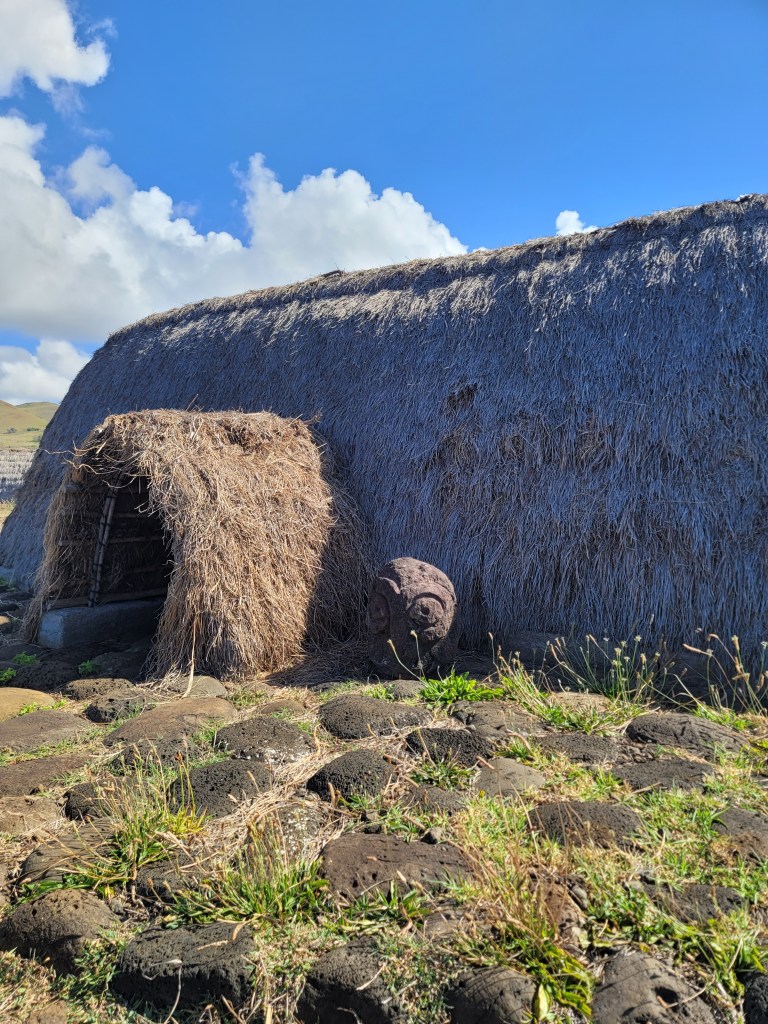
Today, Rapa Nui is home to a vibrant culture that is deeply connected to its unique history. The moai sculptures remain a powerful symbol of the island’s past, and efforts are being made to preserve and protect them for future generations. Visitors to the island can explore the ancient ruins, learn about the culture and traditions of the Rapa Nui people, and witness the beauty of this remote and fascinating corner of the world.
Accommodation
When looking at places to stay in Rapa Nui, we wanted to splurge a little bit because this was a once in a lifetime kind of trip. The island isn’t full of hotels to begin with but our main requirements were: in Hanga Roa and pool. So, after some research, we landed on Hotel Hare Nua Boutique Hotel. The island does have one all-inclusive resort but we prefer the “choose your own adventure” kind of travel.
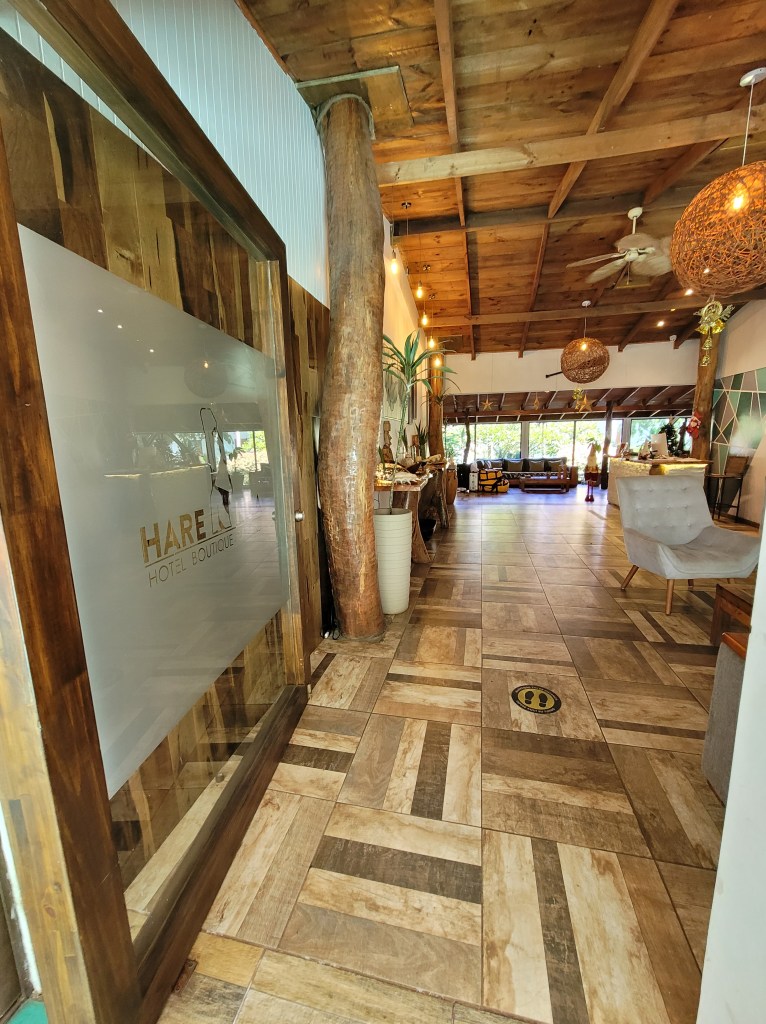
Arriving at the Hare Nua felt like stepping into a tropical paradise. From the moment we landed at the airport, we were greeted by a friendly staff member holding a fragrant lei, welcoming us to the island with warmth and hospitality. The convenience of their pick-up service took away any travel stress we might have had, making our journey from the airport to the hotel smooth and enjoyable.
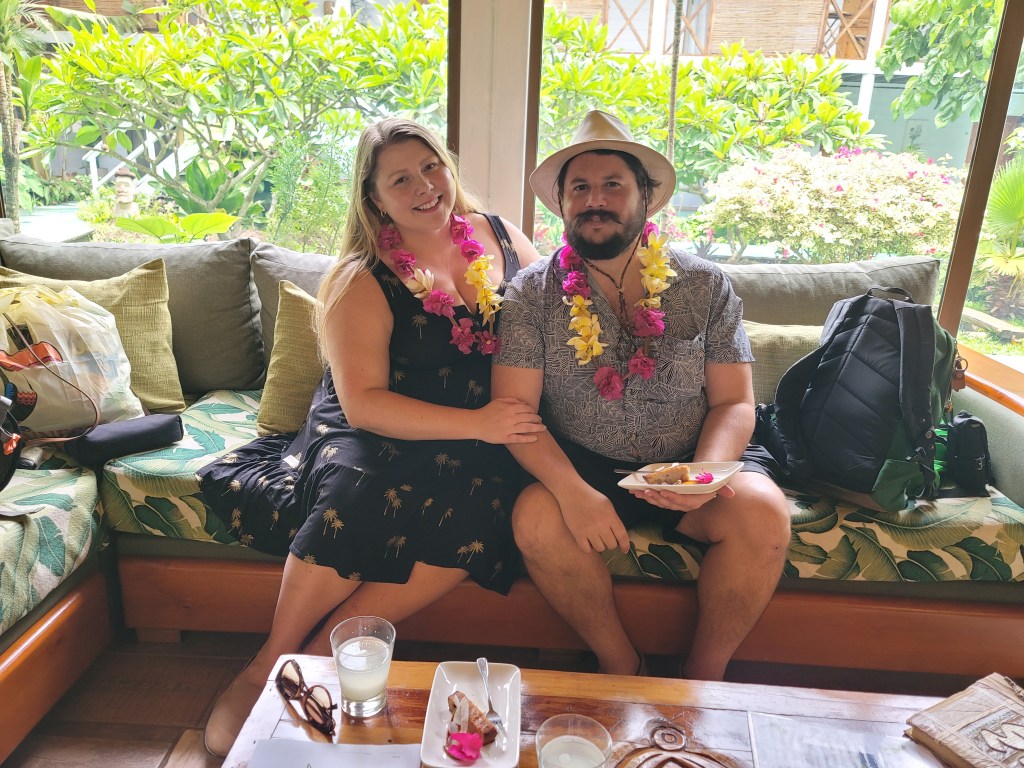
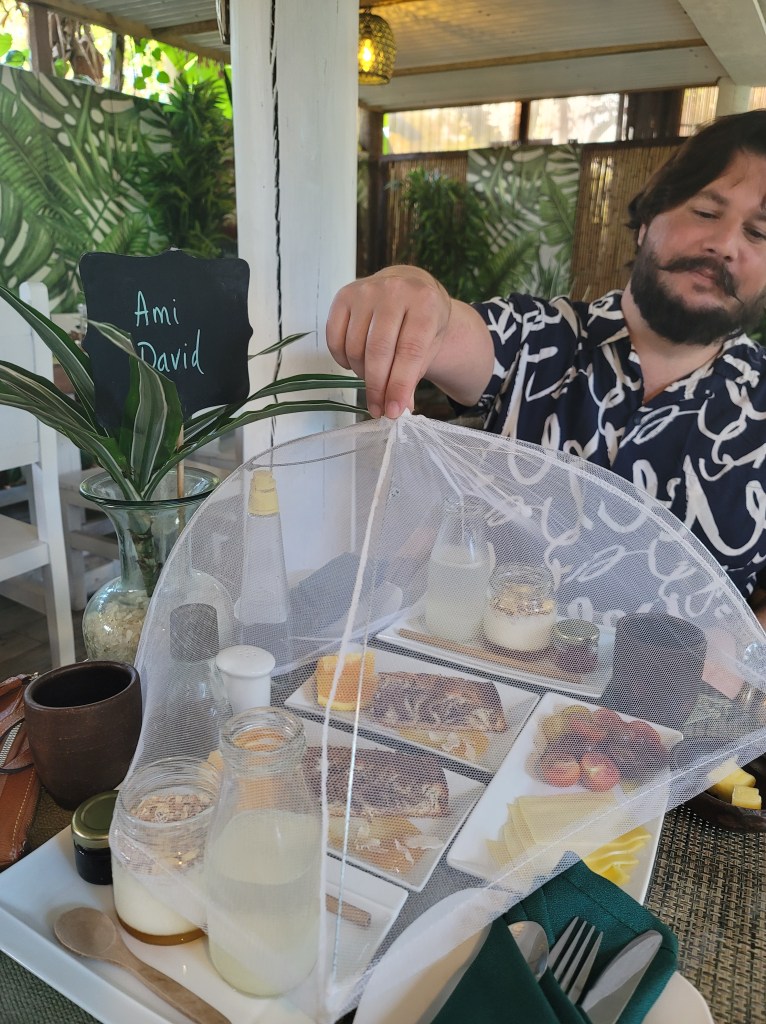
Once we settled into our room, we were delighted by the hotel’s attention to detail. Every morning, we started our day with a beautiful fresh breakfast, featuring local fruits, pastries, and delicious coffee that set the tone for our adventures on the island. After a day of exploring the breathtaking landscapes and mysterious moai statues, we found solace in the hotel’s inviting pool, where we could relax and unwind. To top it all off, the Hare Nua Hotel surprised us with a welcome drink upon our arrival, a refreshing gesture that made us feel truly valued as guests. Our stay at the Hare Nua Hotel was nothing short of exceptional, combining comfort, convenience, and genuine Rapa Nui hospitality in the most memorable way.


Statues? They’ve Got ‘Em!
Exploring Rapa Nui’s iconic sites was like stepping back in time and diving into a world of ancient Polynesian culture and mystery. Since reopening after pandemic, the government of Chile requires visitors to either hire a guide or be accompanied by a Rapa Nui host when exploring the island’s significant archaeological sites. This measure helps to preserve the cultural heritage and ensures that visitors receive accurate information while respecting the fragile environment and historical context of these iconic landmarks. With that in mind, on our first full day on the island, we joined a small group tour to see the “must-see” sites.
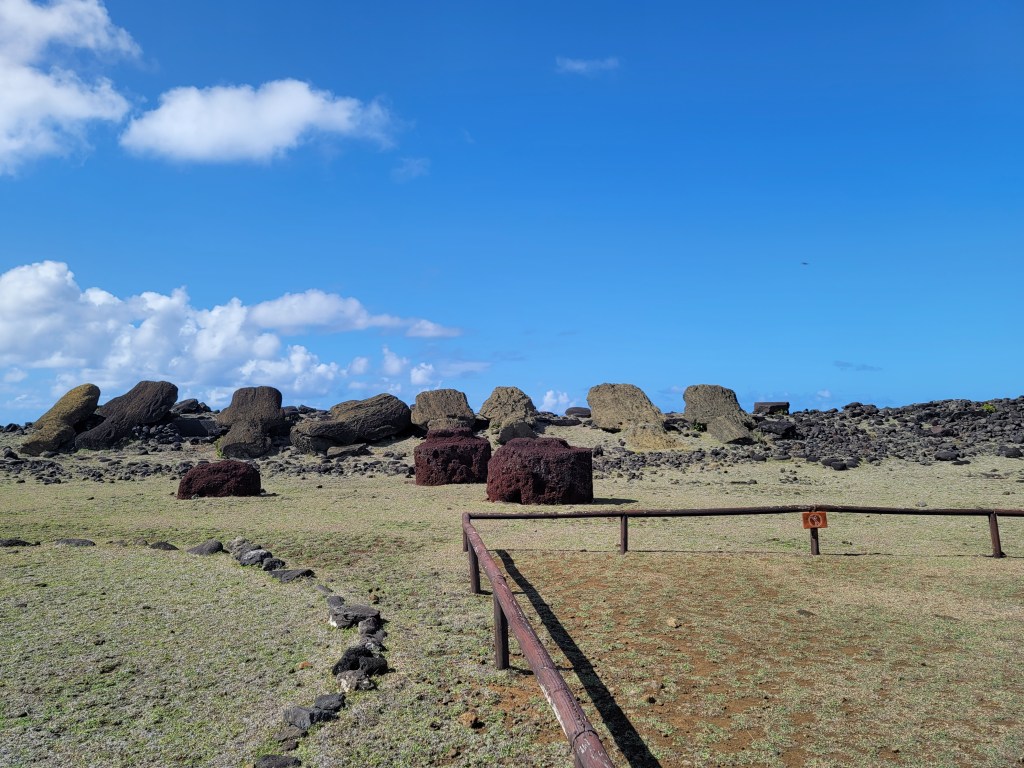
Our first stop was Ahu Vaihu, a fascinating archaeological site located on the southwestern coast of the island. As we approached, the sight of toppled moai statues lying gracefully on the ground greeted us. These moai, some with their pukao (topknots) still intact, tell tales of ancient Rapa Nui civilization and the significance of these monumental figures to its people. The serene surroundings, with the ocean’s waves crashing in the background, added to the mystical atmosphere. Interestingly, Ahu Vaihu is believed to have been a sacred site where Rapa Nui ancestors were honored and remembered. It was a poignant reminder of the island’s rich cultural heritage and the craftsmanship of its ancient inhabitants.


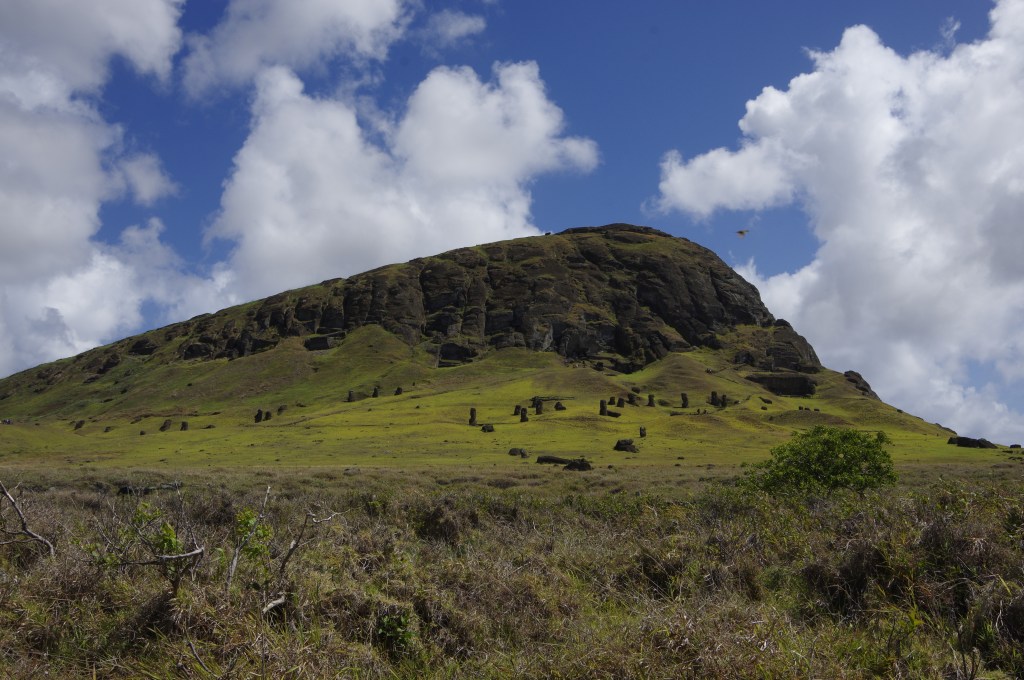
Next on our itinerary was Rano Raraku, often referred to as the “Moai Quarry.” This volcanic crater is where the iconic moai statues were carved from the island’s volcanic rock. As we wandered around, we were awestruck by the sight of moai statues in various stages of completion, some still emerging from the rock, while others lay abandoned along the slopes. The sheer scale of the quarry and the intricacy of the carving process left us speechless. It’s incredible to think that these colossal statues were crafted using only stone tools by the Rapa Nui people centuries ago. Rano Raraku is not just a quarry but a testament to the island’s artistic prowess and the ingenuity of its ancient inhabitants.


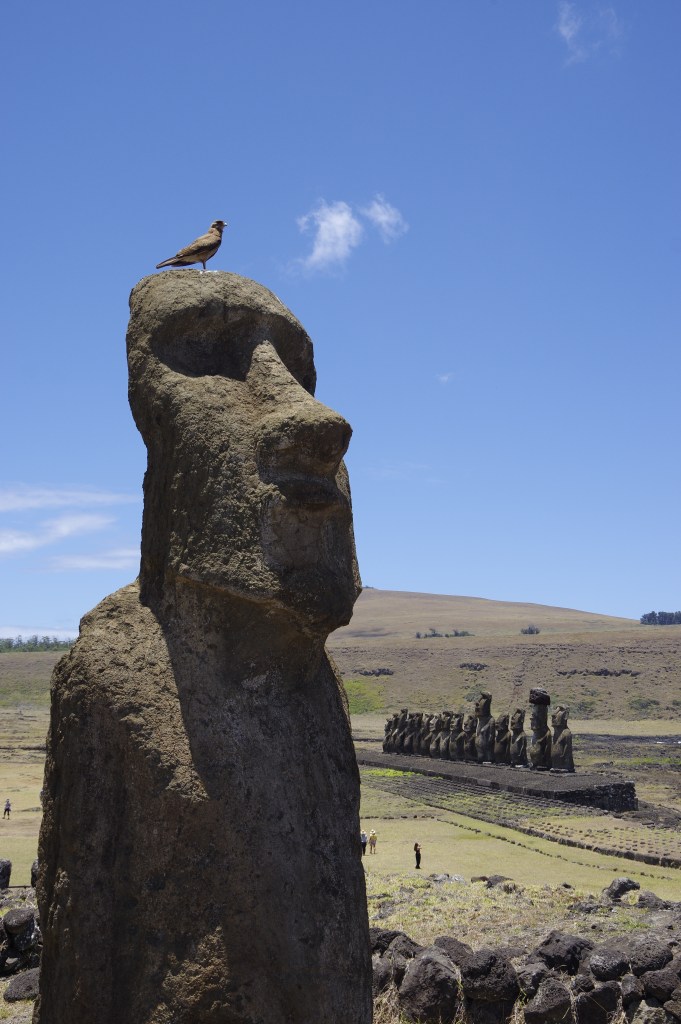
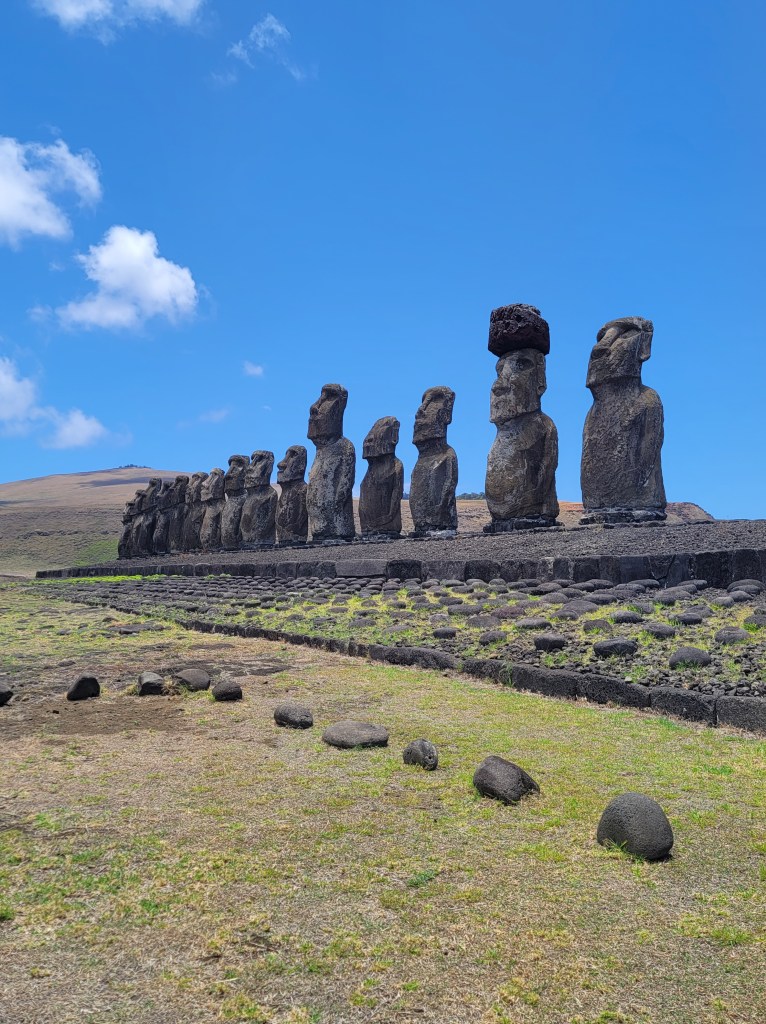
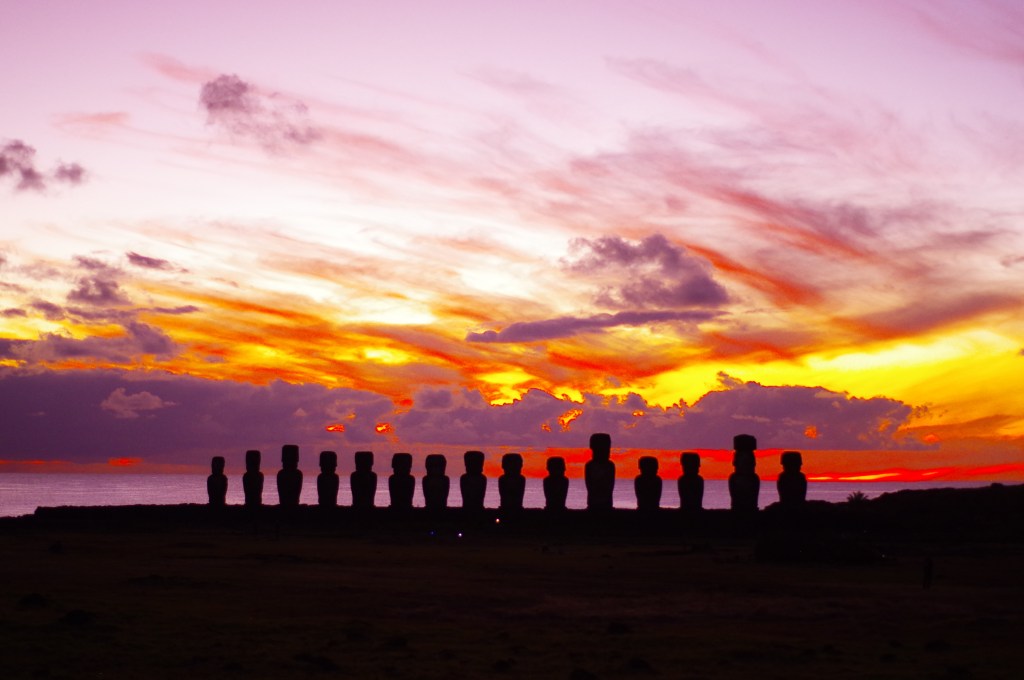
We proceeded to Ahu Tongariki and after our enlightening guided tour, where we learned about its fascinating history, we were eager to experience the site in a different light. Literally. Returning in the early hours of the morning on our last day, we were greeted by a breathtaking sunrise that transformed the landscape into a mesmerizing palette of oranges, pinks, and purples. Watching the sun rise behind the row of 15 majestic moai statues was nothing short of magical. Ahu Tongariki, with its monumental statues standing tall against the backdrop of the vast Pacific Ocean, tells a story of ancient traditions, skilled craftsmanship, and the enduring spirit of the Rapa Nui people. It’s not just a must-visit; watching the sunrise here is an absolute must-do for anyone traveling to the island. The tranquility of the moment, coupled with the profound sense of history, made our early morning visit to Ahu Tongariki an unforgettable experience.

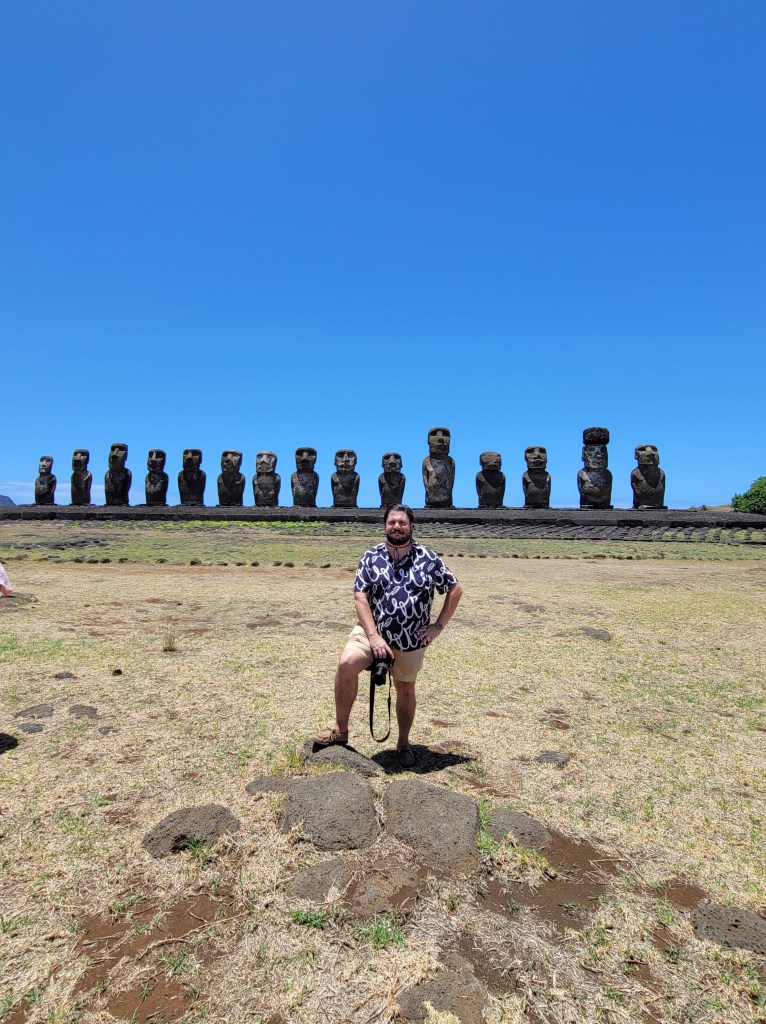



Our final stop of this first-day tour was the idyllic Anakena Beach, a paradise with golden sands and crystal-clear waters. As we stepped onto the beach, we were greeted by the sight of coconut palm trees swaying gently in the breeze and moai statues standing proudly overlooking the shoreline. Legend has it that Anakena was the landing place of Hotu Matu’a, the legendary founder of the Rapa Nui civilization. Whether true or not, there’s no denying the beauty and tranquility of this beach. We spent our time relaxing, swimming, and soaking up the sun, all while marveling at the contrast between the ancient moai and the natural beauty that surrounded us.

More Than Moai
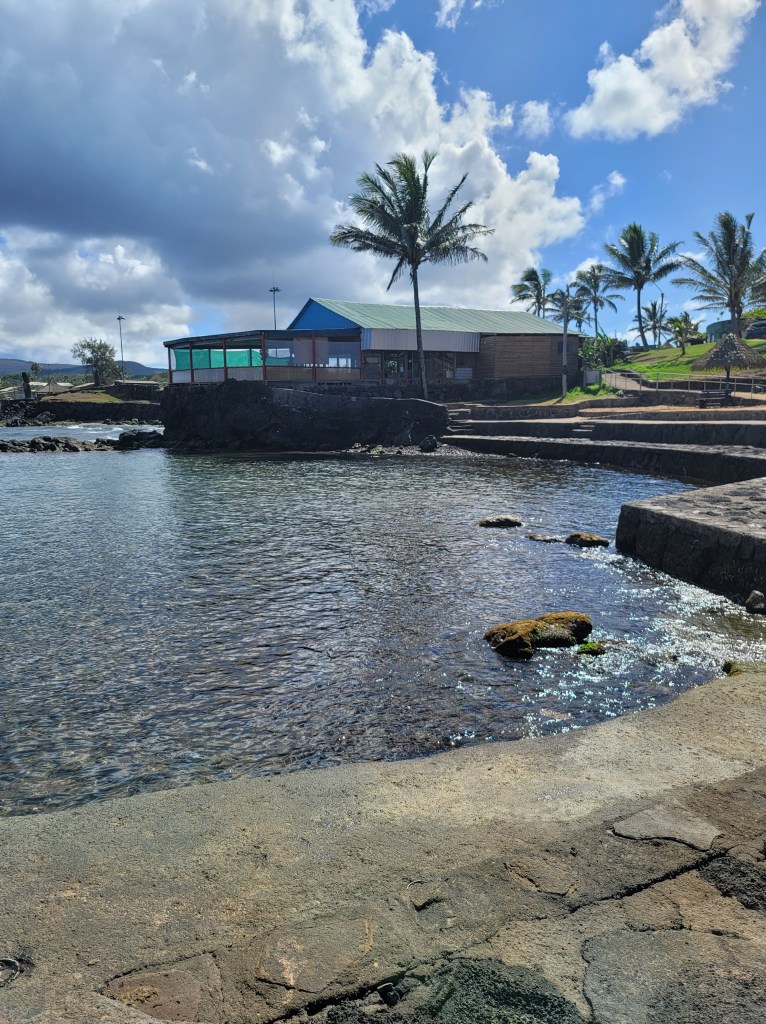
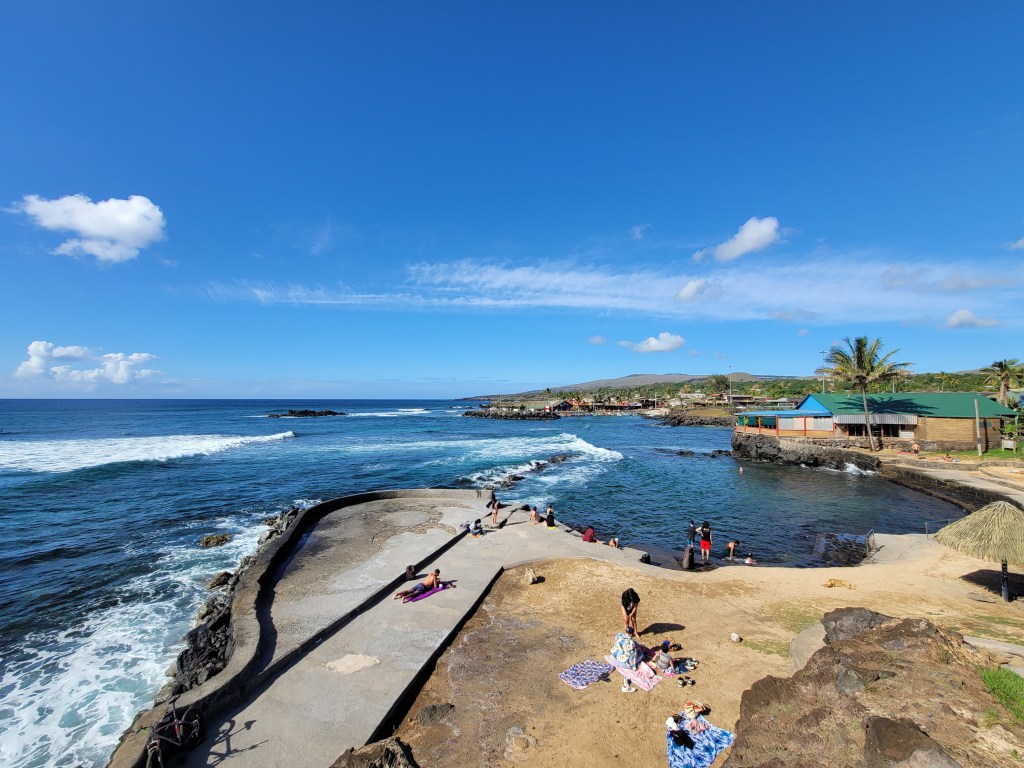
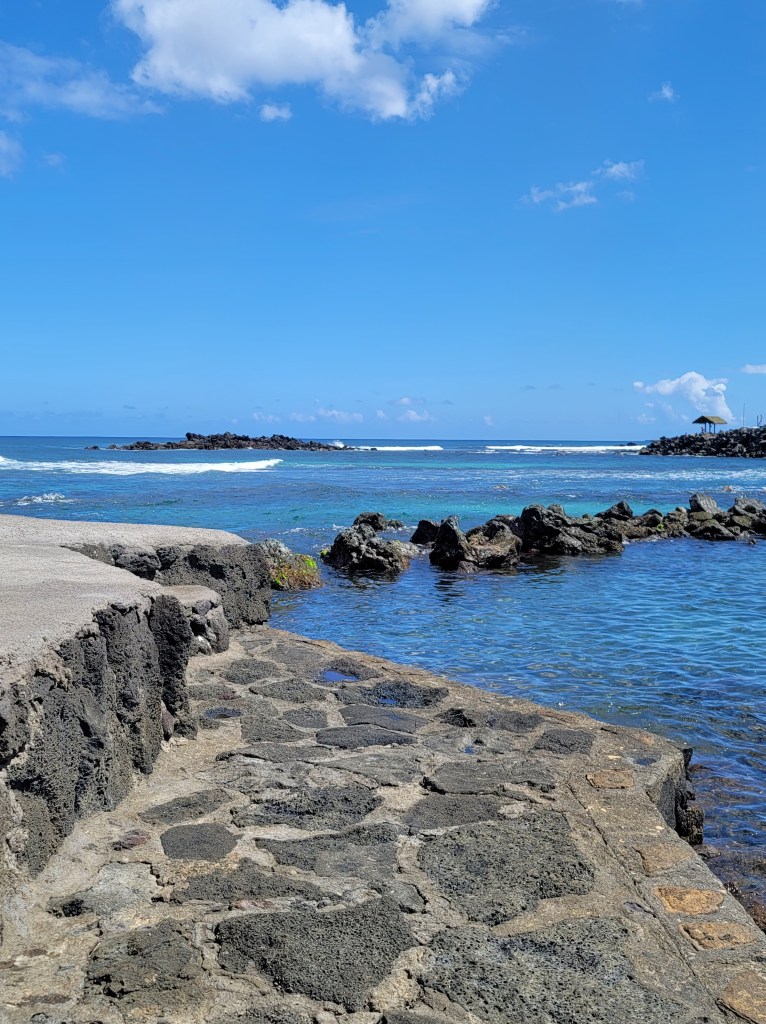
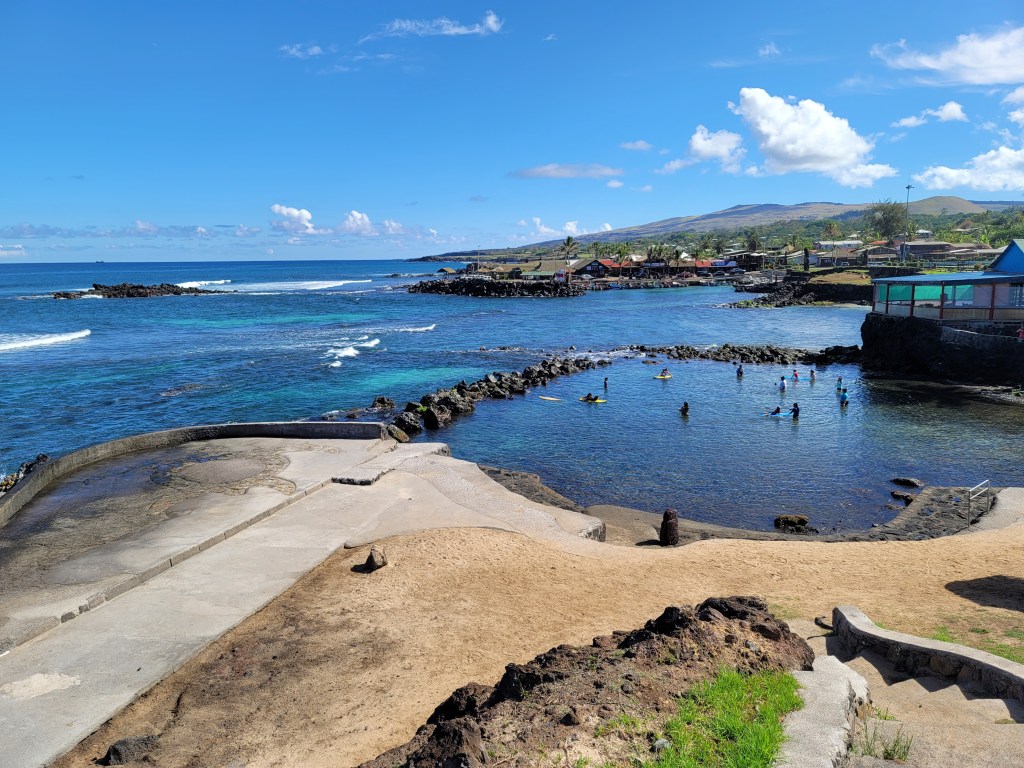
The day after our full island tour, we decided to stay in town for the first half of the day and explore a bit. We had a nice lunch at Club Sandwich and the went down to Pea Swimming Pool, a protected swimming spot near the main harbor. The water was calm and we watched the surfers in the distance, it was here that David decided that he was going to nab a surf lesson before we left the island (more on that in a bit).
In the afternoon, embarked on a half-day private tour with Rapanui Pioneers, where we were immersed in the captivating history of the Bird-Man Cult. Our guide for the day was Cristian, a local expert whose passion for the island’s heritage was contagious from the get-go.

Our first stop was Rano Kau, a dormant volcano that boasts one of the most stunning crater lakes in the world. As we stood at the edge of the crater, Cristian painted a vivid picture of its geological significance and the role it played in the lives of the Rapa Nui people.

The crater, filled with a serene blue-green lake, stands as a testament to the island’s volcanic origins. Cristian explained how the crater lake was not only a vital water source for the ancient inhabitants but also held spiritual significance in their beliefs.

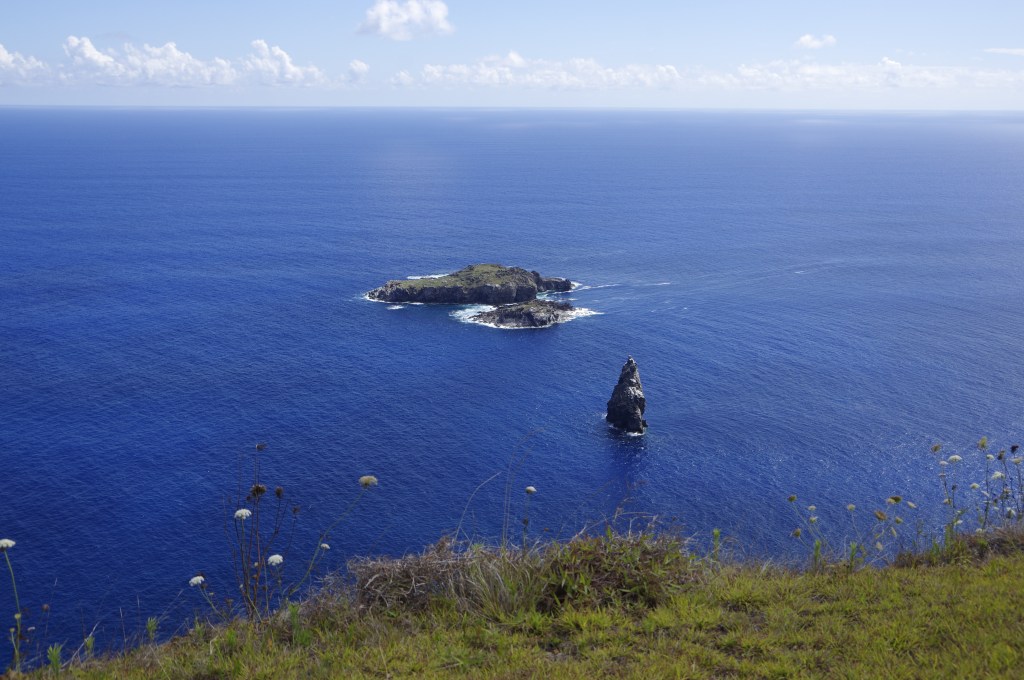
Next on our itinerary was Orongo, an archaeological site perched on the edge of the Rano Kau crater. This village holds a special place in the history of Easter Island, as it was the ceremonial center for the Birdman cult.
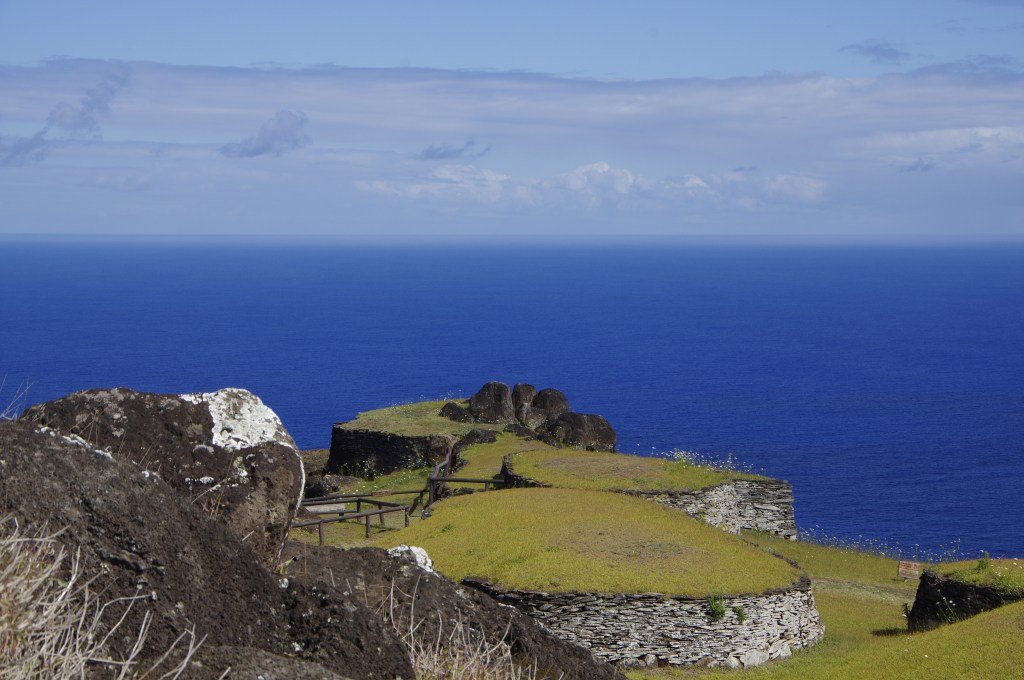
The Birdman cult was a unique religious practice where tribes would compete in a perilous race down the cliffs to the ocean, vying for the honor of bringing the first egg of the season from the nearby islet of Moto Nui. Cristian’s storytelling brought this ancient tradition to life, helping us understand its significance in Rapa Nui culture.
Road Trip
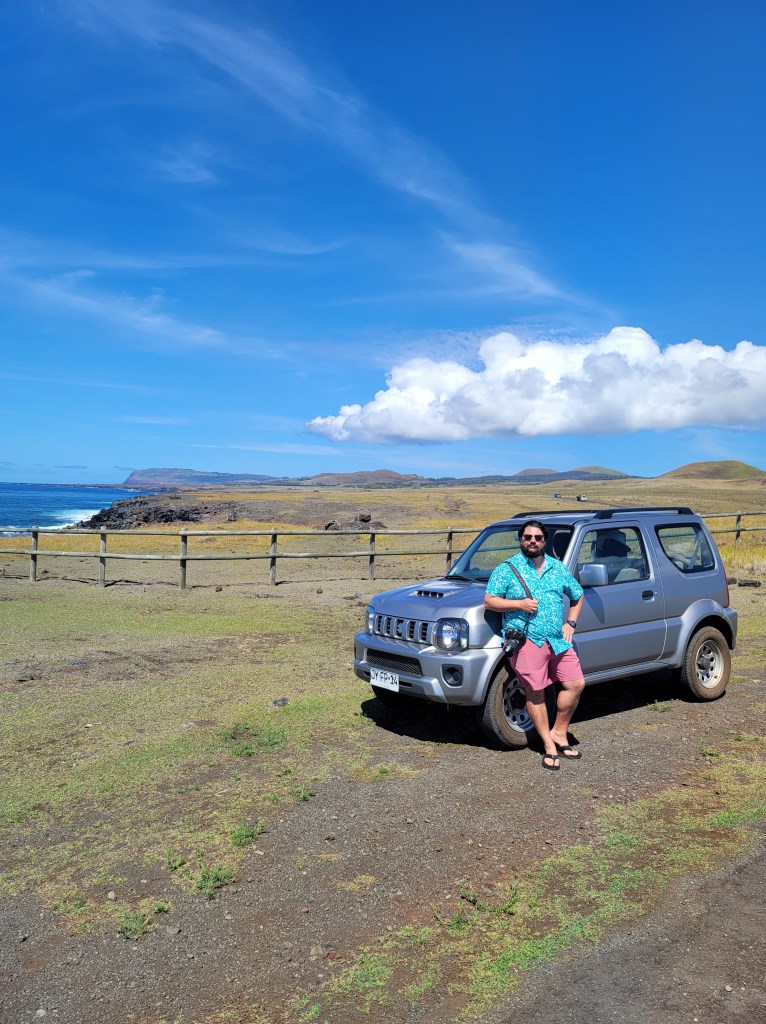
For our final full day on the island, we rented a car to scoot around on our own for 24 hours. My advice on renting a car in Hanga Roa is to shop around, there are a few places to choose from and the prices vary. Our little Suzuki Jimmy was a blast to drive around the island, David had always wanted to drive one so this was another cherry on top of his birthday trip. We stopped by the grocery store and loaded up a little cooler with some drinks and stocked up on snacks before hitting the road for the day.
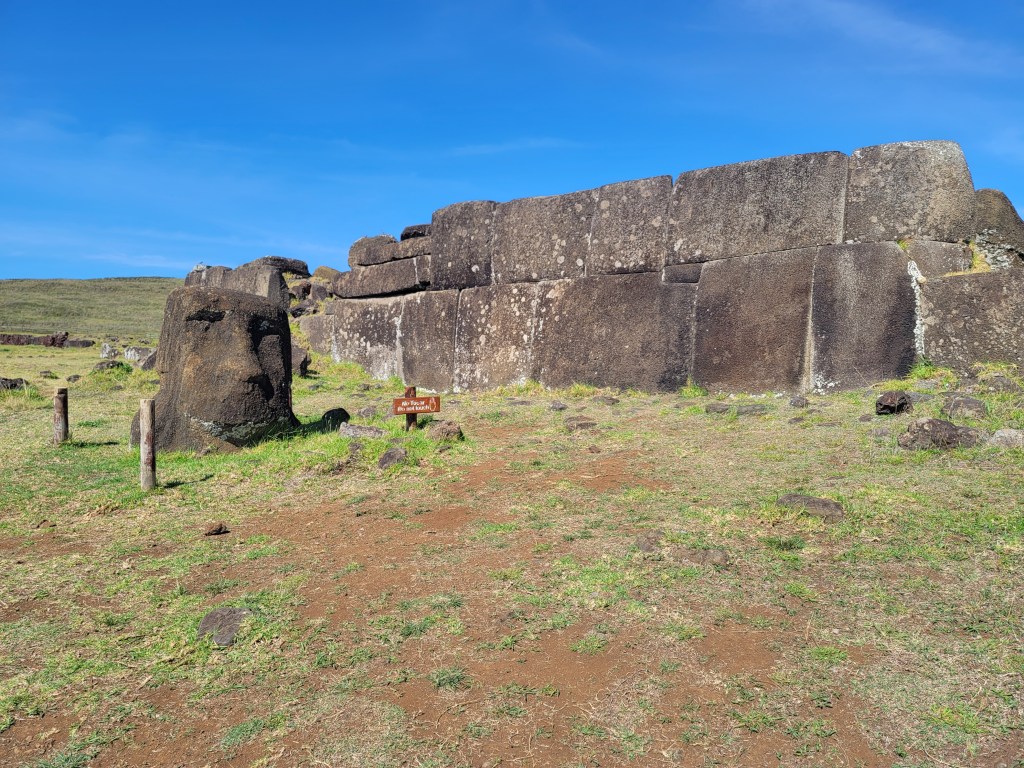
Our first stop was Ahu Vinapu. While we didn’t have a guide, we were able to visit the site thanks to the kind guard who let us in with our National Park Ticket. Nestled amidst the enigmatic laandscape of Rapa Nui, Ahu Vinapu stands as a testament to the island’s rich history and remarkable craftsmanship. This archaeological site is renowned for its intricately fitted stone masonry, reminiscent of ancient Inca construction techniques. Believed to have been built between the 13th and 17th centuries, Ahu Vinapu comprises a series of platforms adorned with meticulously carved basalt blocks. These blocks, expertly assembled without mortar, showcase the advanced engineering skills of the Rapa Nui people. While the exact purpose of Ahu Vinapu remains shrouded in mystery, its imposing presence and architectural sophistication offer visitors a glimpse into the island’s cultural heritage and the ingenuity of its inhabitants.

We then wandered 20 minutes down the road (there is really only one road that you’ll follow around the island to hit the main points of attraction) to Ahu Akahanga. This revered archaeological site is characterized by its imposing stone platforms, known as ahu, and scattered Moai statues, remnants of a bygone era. Believed to have been constructed between the 15th and 17th centuries, Akahanga served as a ceremonial center and burial ground for the Rapa Nui people. The site is steeped in legend, notably associated with the island’s founding chief, Hotu Matu’a, whose tomb is said to reside here. Unfortunately, we only got a brief peek around before a park ranger asked us where our guide was and then politely informed us that per national park regulation, we needed a guide– fair is fair.

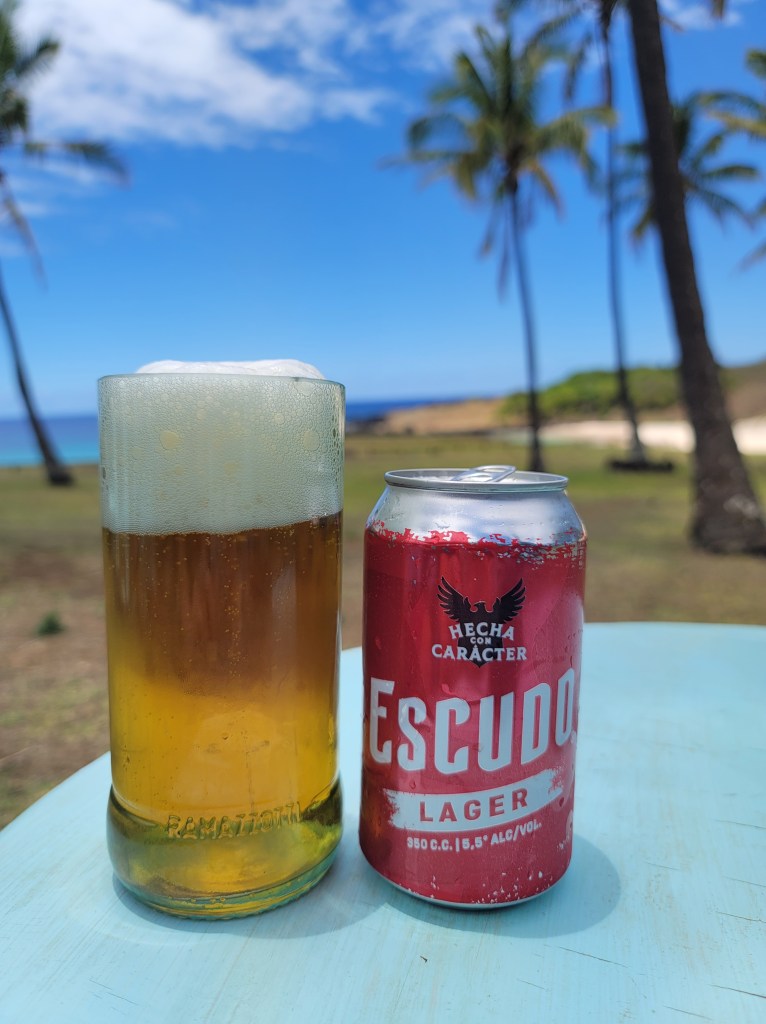
From there we made our way back to a paradise within paradise, Anakena beach. Our visit to this idyllic South Pacific beach on our tour on day one was just a bit too short, so we pulled out our cooler full of bevs and headed to the beach for a couple hours. The water was amazingly clear and quite calm, especially for the Pacific. The sand, while not as soft as our own Gulf shores, was golden and fine. There is something to be said about floating in tropical waters, beer in hand, while catching glimpses of iconic Moai standing guard on the shore.


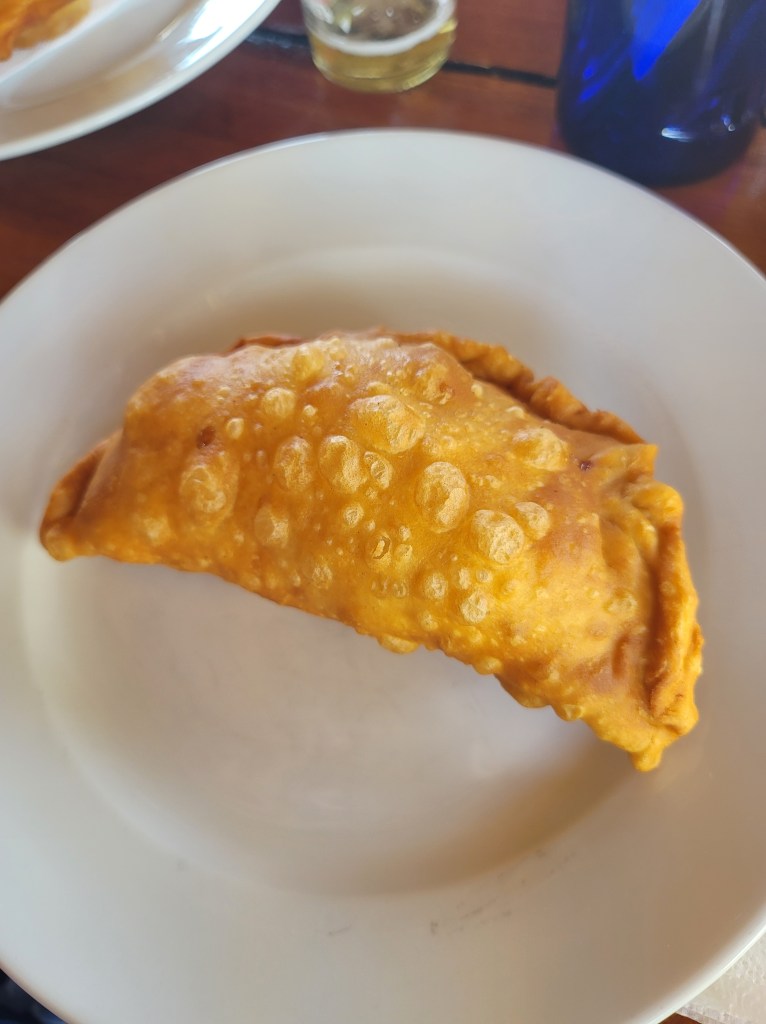
There are bathroom facilities at this beach and a couple of restaurants to order drinks and food from. We had delicious empanadas here on our first day and picked up a couple more on our way out– David declared the tuna empanada one of the best he’s ever had, which is a lot for a Florida boy to say.

As mentioned before, we kept the car for 24 hours so that we could wake up EARLY and catch the sunrise at Ahu Tongariki. We decided to watch the sunrise from further back, outside of the site, to appreciate the full drama of the sun coming up over the Moai. We stood against the wall for an hour, watching true magic unfold before our eyes. I love a good sunset but because I am rarely up for a sunrise, they feel so much more majestic.
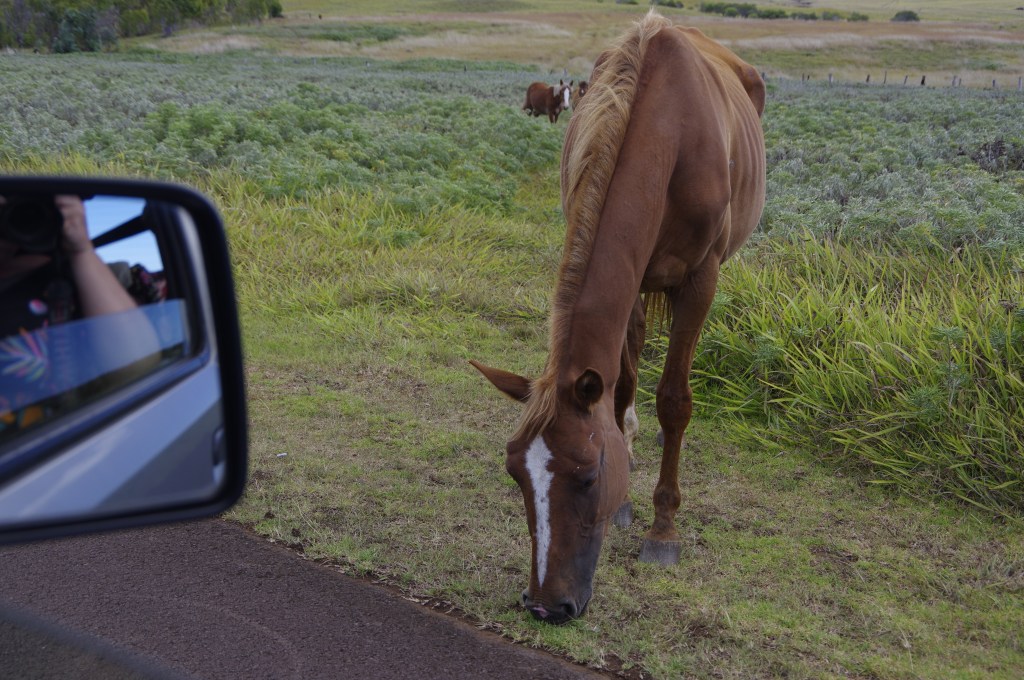
Something to note while driving on Rapa Nui, there are bands of wild horses along the roads. They don’t bother the cars and stay out of the roads for the most part— but caution should be taken while scooting around. Besides that, the whole experience of renting a car and driving around the island was really simple and I would highly recommend it.

The Perfect Sunset
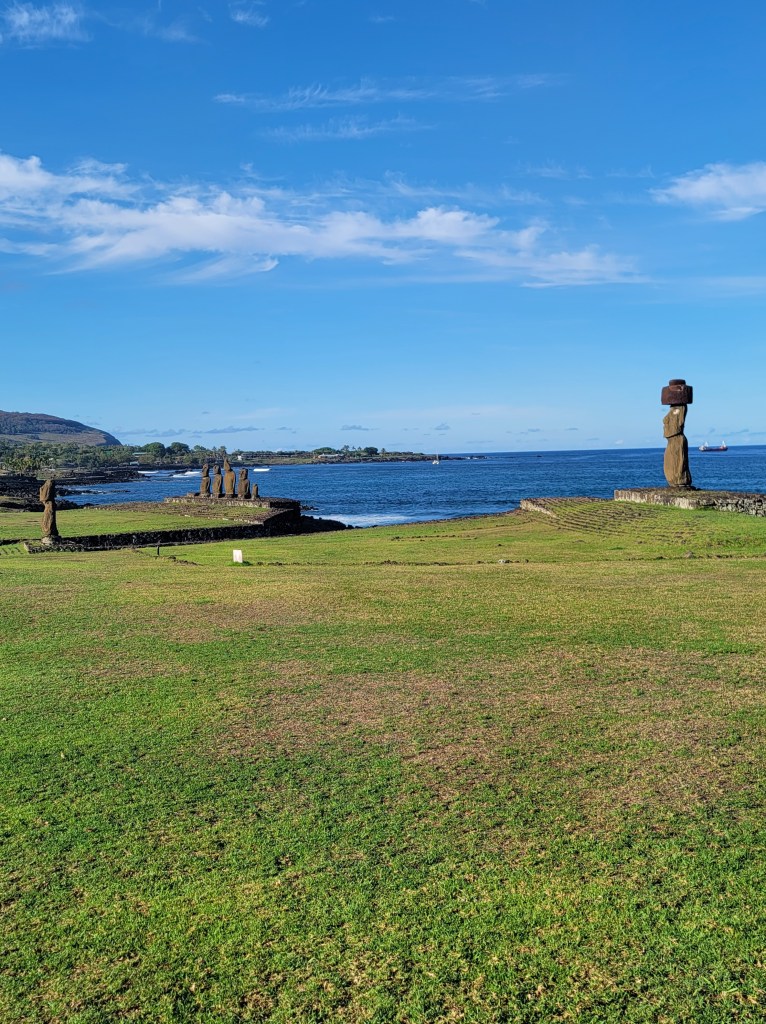
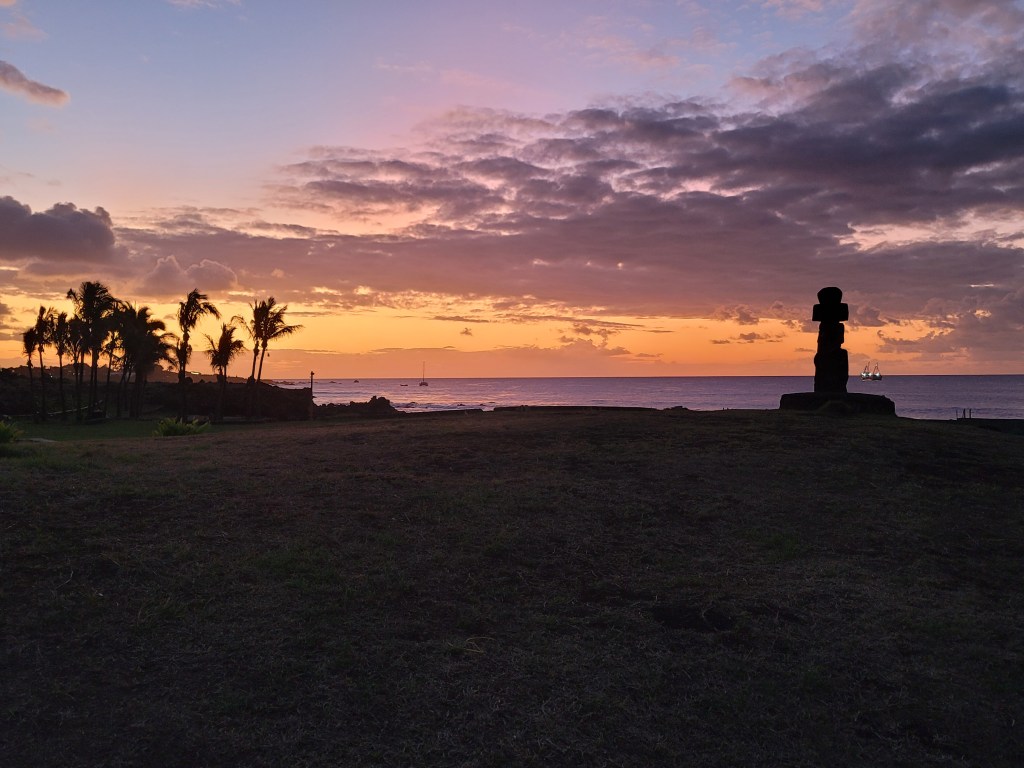
Our first sunset in Rapa Nui was a truly magical affair, spent at Ahu Tahai. As the golden hour approached, we joined fellow travelers and locals alike, each armed with blankets, picnics, and a few cold beers, ready to witness nature’s spectacle. Positioned against the backdrop of the Pacific Ocean, the imposing Moai stood sentinel, their ancient faces bathed in the warm hues of the setting sun. What made this experience even more enchanting was the fact that Ahu Tahai is one of the free sites on the island, no National Park Ticket required.

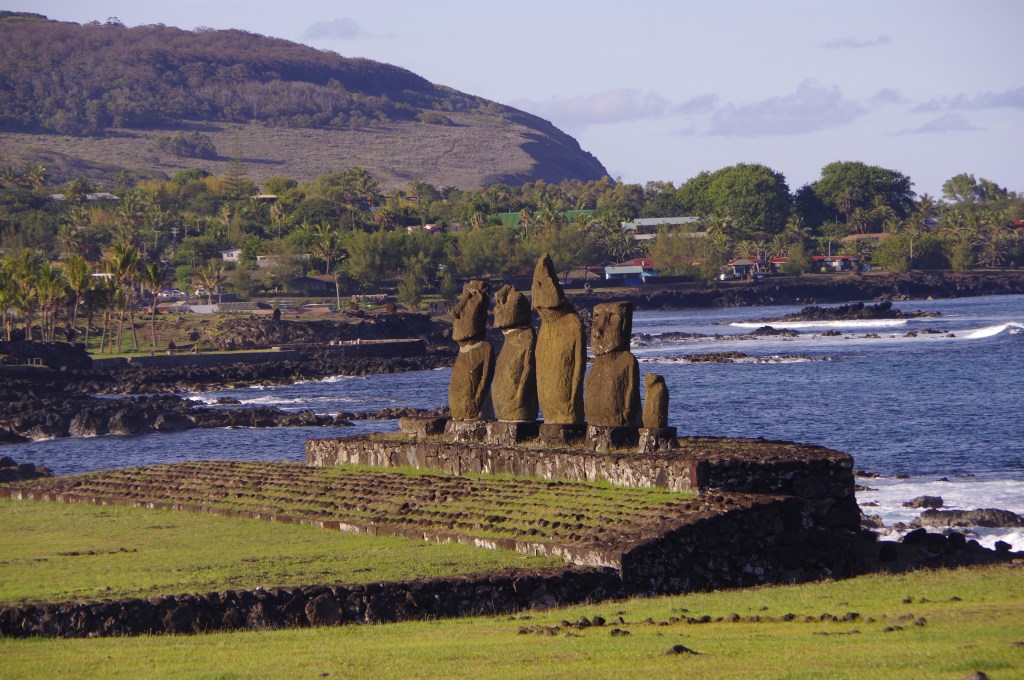
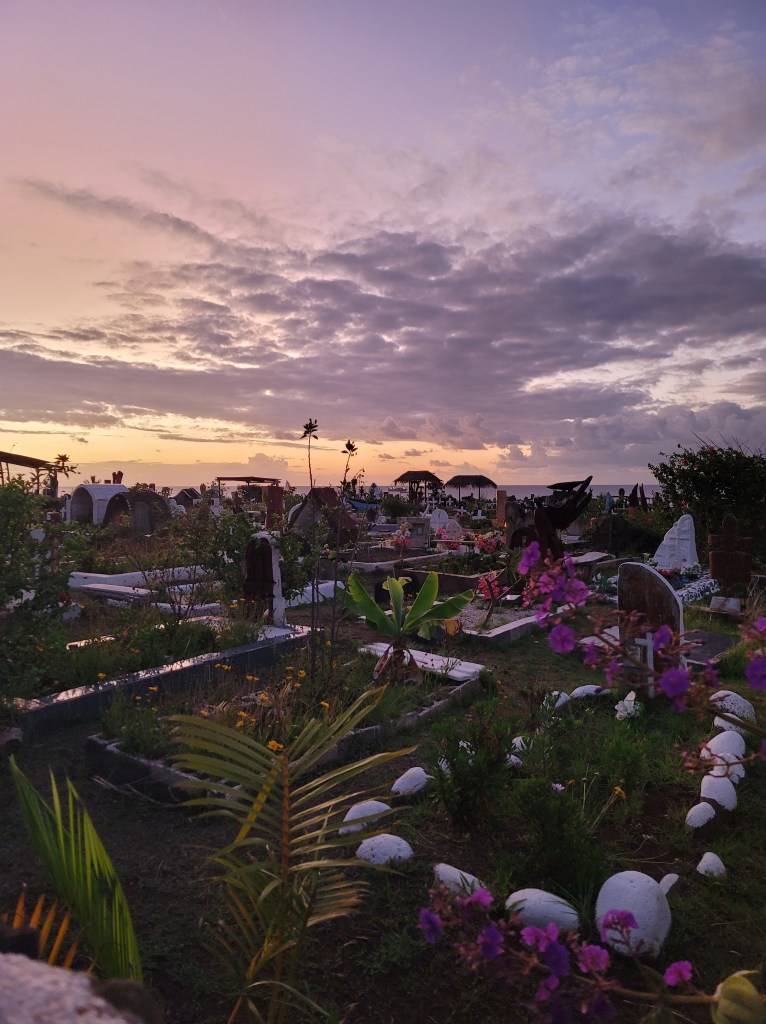
A leisurely 15-minute walk from the main area of Hanga Roa led us to this picturesque spot, where we passed the intriguing Rapa Nui cemetery along the way, a poignant reminder of the island’s rich cultural history. As the sun dipped below the horizon, casting a fiery glow across the sky, we couldn’t help but feel grateful for this serene moment in such a captivating corner of the world.

Catching Waves
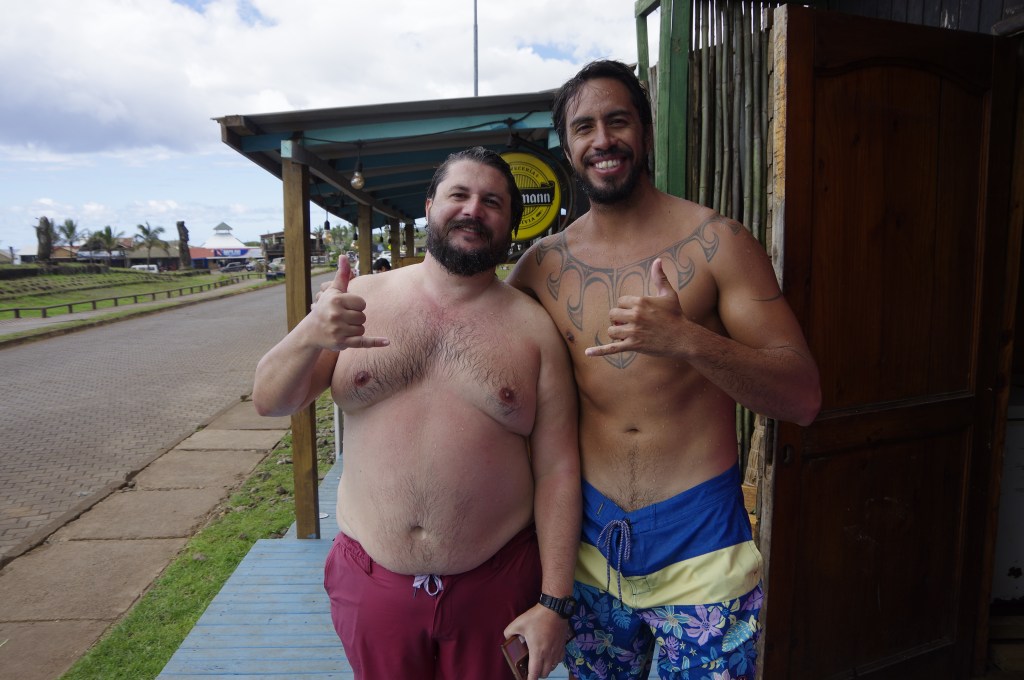
What was one of the main activities on David’s Rapa Nui bucket list? Surfing! My husband, ever the enthusiast, is always eager to seize the opportunity to ride the waves wherever we travel. He has a board at home but whenever we are somewhere new, he opts for a lesson. The lesson, expertly provided by Te Ao Nui Sport, was a perfect blend of thrill and tranquility. For around $50 USD, inclusive of board rental, he spent an hour honing his skills in the company of a knowledgeable instructor.
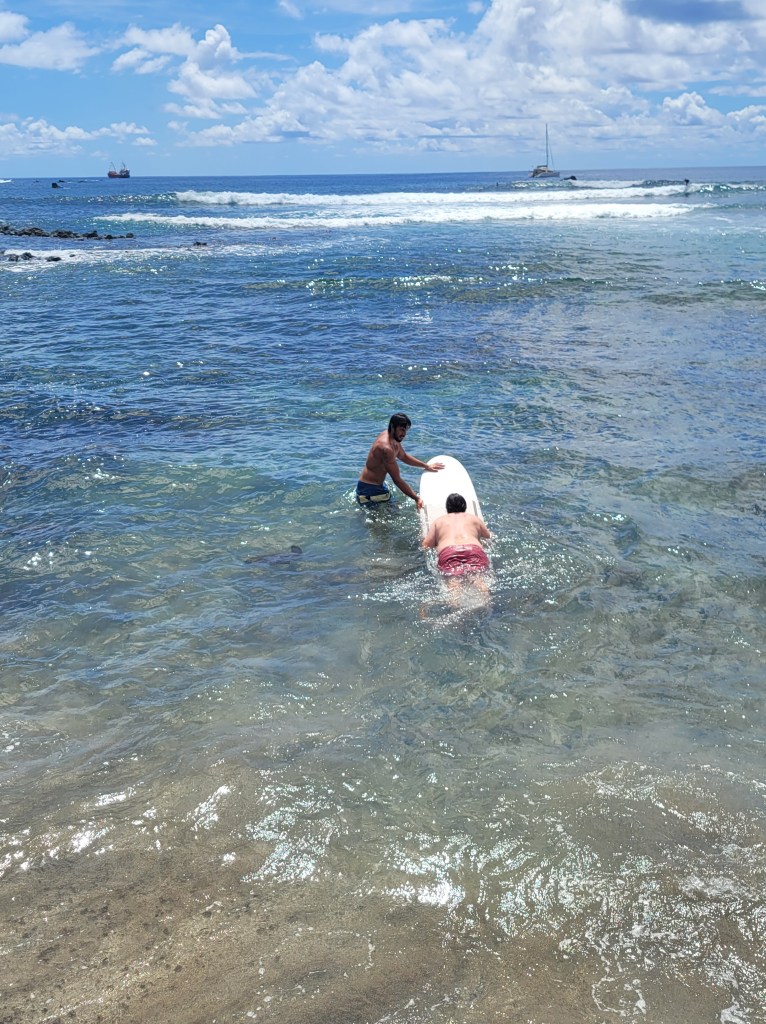
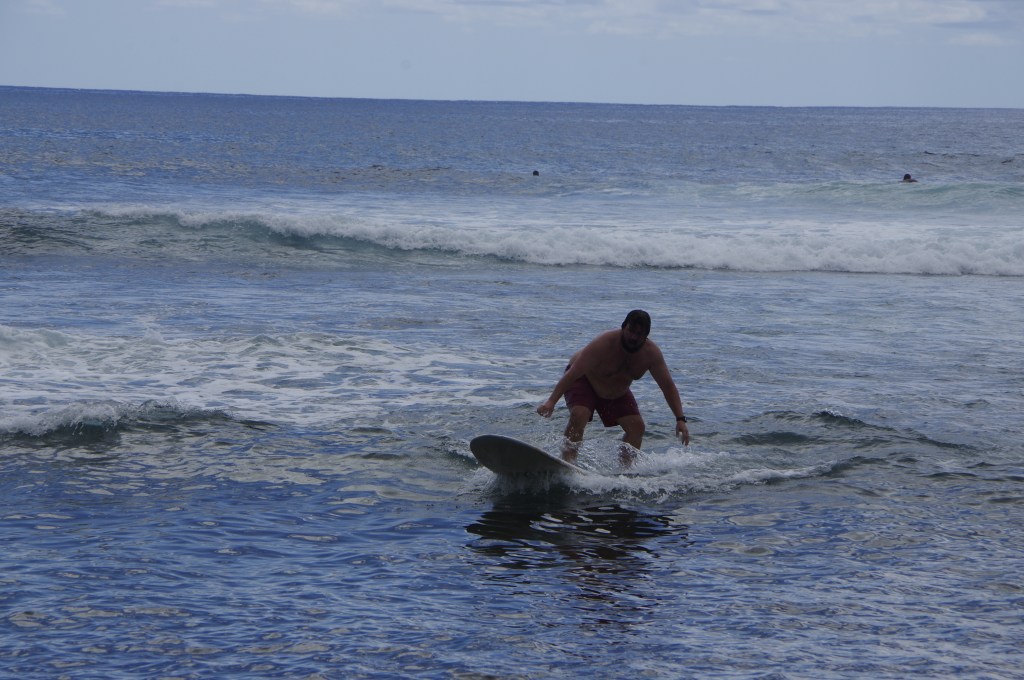
The waves were inviting, offering numerous breaks for him to shake the cobwebs off on. Within minutes, with the guidance of his instructor, he was up and standing, feeling the rush of the Pacific beneath him (we’re Gulf kids, there isn’t a lot of wave action at our beaches). It was especially cool for me to watch him glide past the sea turtles who were also catching waves. As he wrapped up his session, we headed to the adjacent Oheho Surf Cafe, owned by the same welcoming family, to indulge in some well-deserved refreshments, basking in the satisfaction of a memorable day on the water– his a little more action-packed than mine, as I was just the photographer for this adventure.
The Stars at Night
Taking a star-watching tour in Rapa Nui was an enchanting experience that we’ll cherish forever. We used Green Island Tours and the tour was great, it included a mid-trip presentation on Polynesian history, navigation, basic astronomy and archeo-astronomy at a spot right along the water, before heading to Anakena beach to stargaze beneath the Moai.

As we gazed up at the night sky, one of the highlights was spotting the Southern Cross, a constellation not visible from the Northern Hemisphere. It was a surreal moment, realizing that we were looking at stars and constellations that we had never seen before. The sky in the Southern Hemisphere seemed to sparkle with unfamiliar constellations, making us feel like we had been transported to a different world. Our guide’s insights and stories added depth to the experience, connecting us to the ancient navigators who once used these stars to journey across the Pacific Ocean. It was a humbling and awe-inspiring night that reminded us of the beauty and diversity of our planet and the universe beyond. The night also included hot beverages, beer, and a sweet treat served along the way. It should be noted that we had this tour canceled on two other nights before this one was green-lit with the perfect conditions.

Traditional Dance Shows
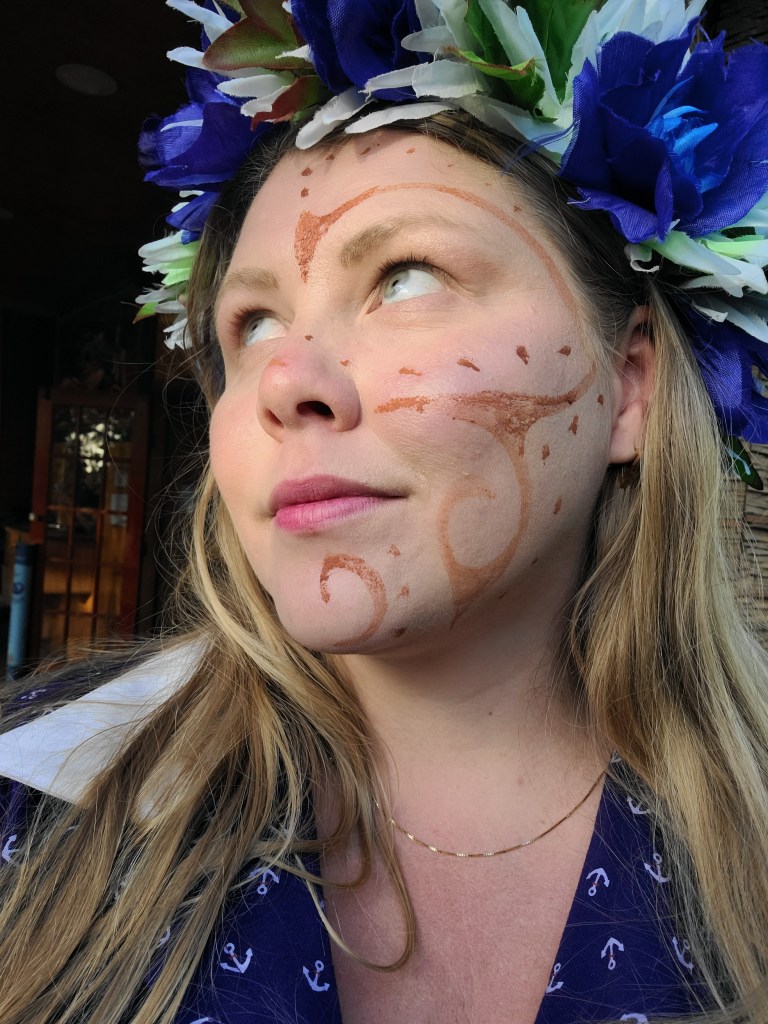
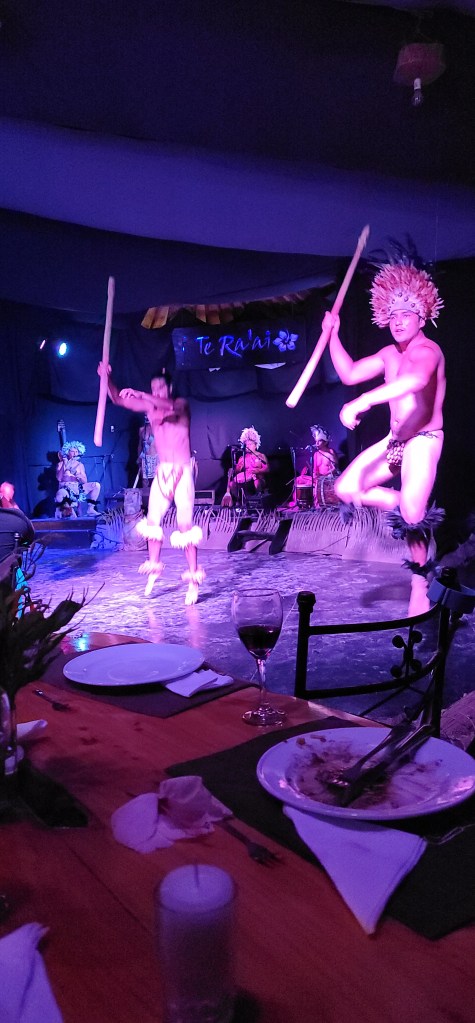
One thing that we were reminded of pretty often during our visit, is that Rapa Nui is part of Polynesia, despite it’s distance from places like Hawaii and Tahiti. This was especially evident in the traditional dance shows offered throughout the island. Not to be confused with a “Luau,” these shows showcased the unique dances and cuisine of Rapa Nui. We chose to attend two different “shows,” one at the beginning of our trip and one on our last night.

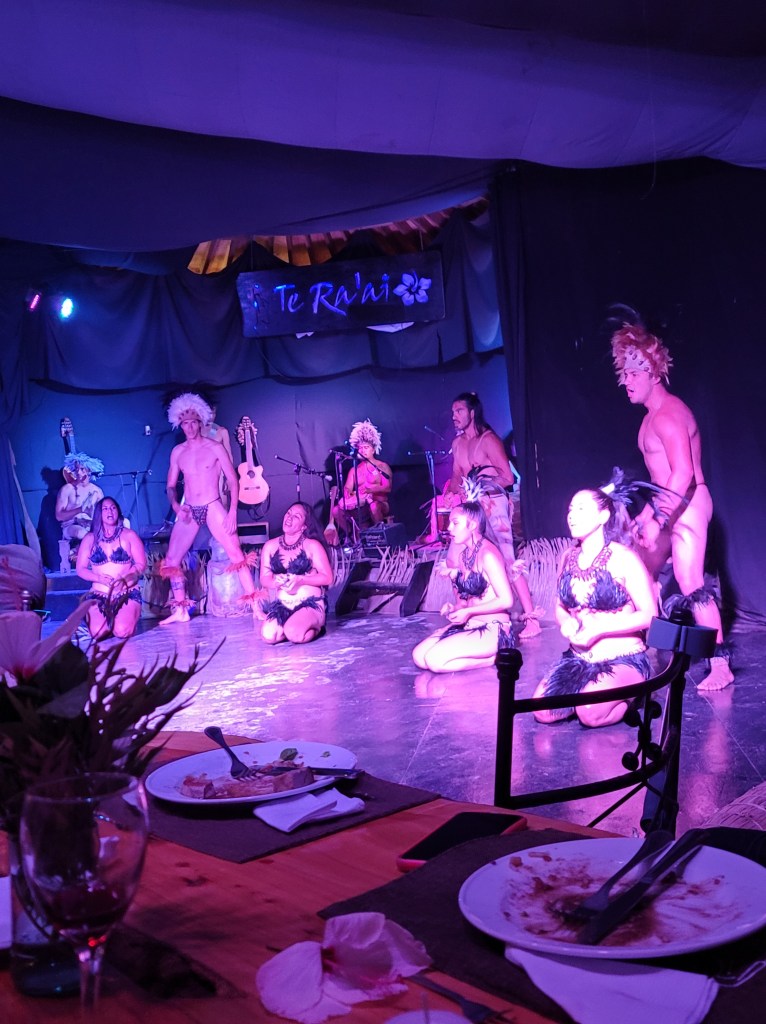
At Te Ra’ai, nestled within the vibrant heart of Rapa Nui, the traditional dance shows offer an immersive journey into the island’s rich cultural heritage. With each graceful movement and rhythmic beat, we were transported through time, witnessing the evolution of dance on this mystical island. From the ancient ceremonial dances honoring the gods to the lively rhythms of the contemporary Hoko, the performers captivated us with their skill and passion. As we indulged in the sumptuous buffet, sampling local delicacies like fresh seafood and taro root, we marveled at how these flavors echoed the diverse influences that have shaped Rapa Nui’s history. The cost for this enchanting evening of culture and cuisine was surprisingly affordable, making it accessible to travelers seeking an authentic experience without breaking the bank.

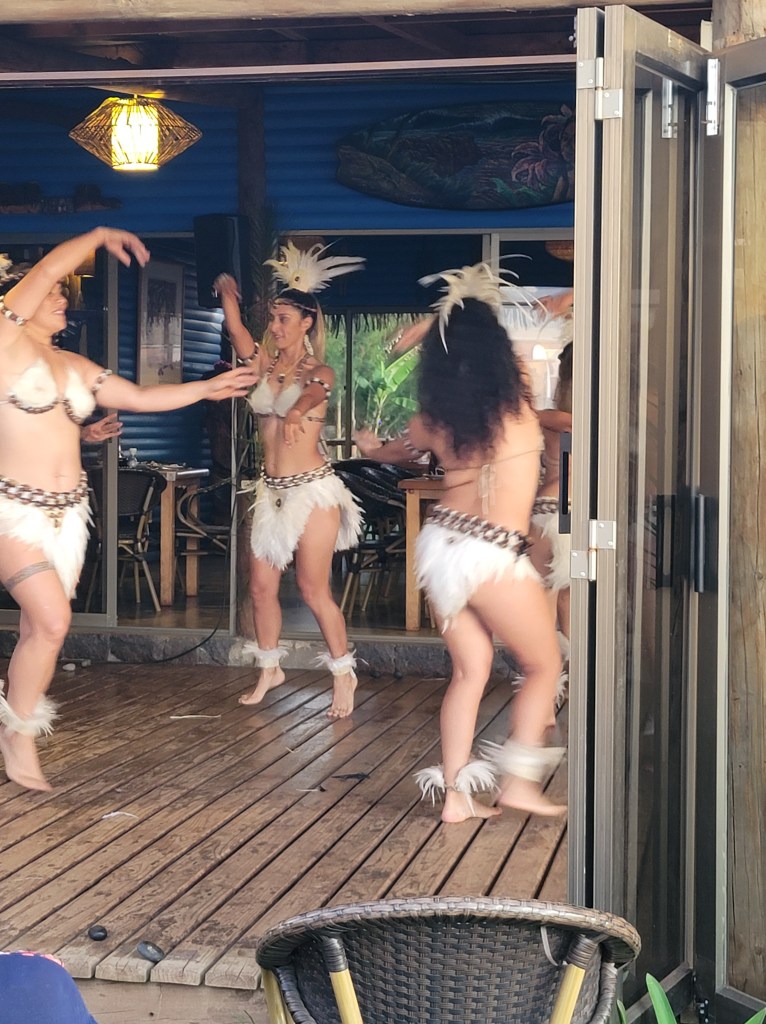
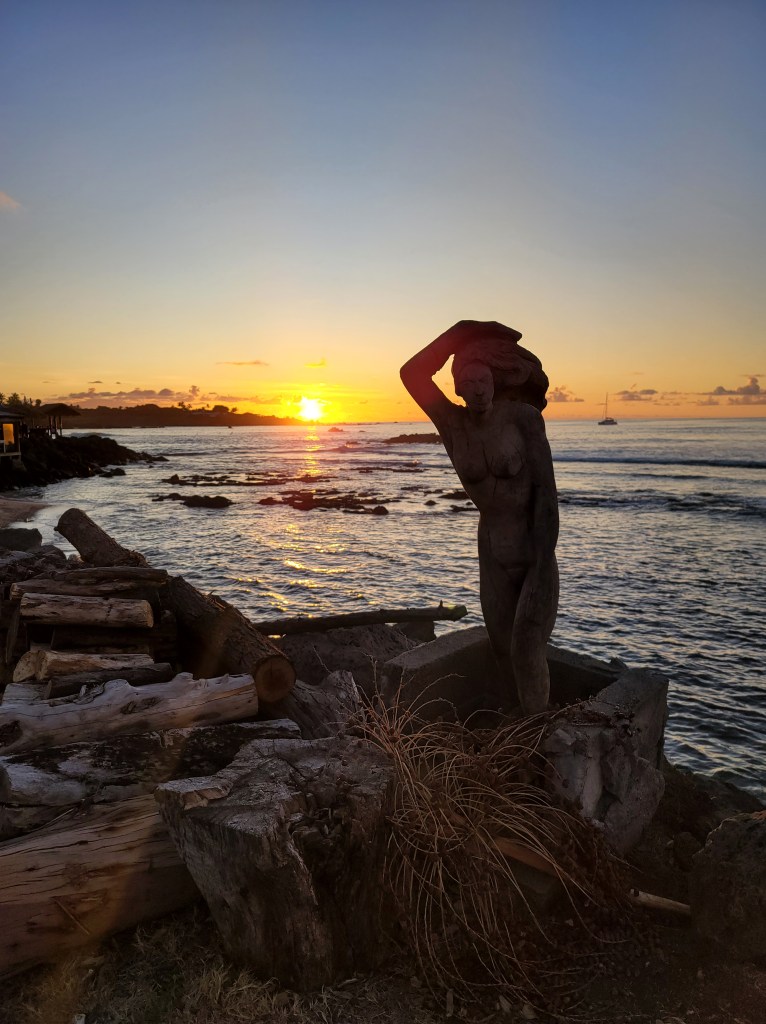
On the tranquil shores of Te Moana, we were treated to a more upscale affair that perfectly complemented Rapa Nui’s breathtaking natural beauty. As the sun dipped below the horizon, casting a golden glow across the Pacific Ocean, we settled into our seats for a mesmerizing dance performance.
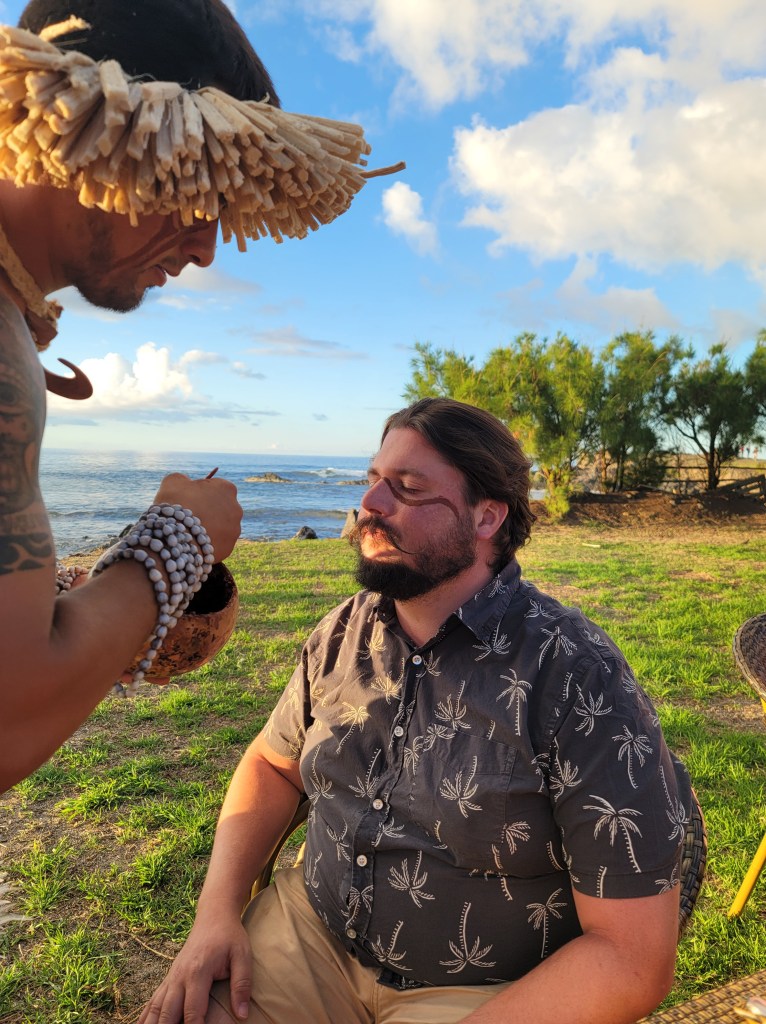
Against this stunning backdrop, the dancers moved with an ethereal grace, their silhouettes illuminated by the fading light. Each moment felt like a poetic ode to the island’s past, a tribute to the resilience of its people and their deep connection to the sea. As we savored the gourmet dinner, savoring dishes crafted with the freshest local ingredients, we couldn’t help but feel a sense of reverence for the land and its cultural legacy. While the cost for this exquisite experience was slightly higher, the unforgettable memories we made were truly priceless.


The Most Remote Brewery in the World?
Would this be a beer travelers adventure without a brewery stop?!

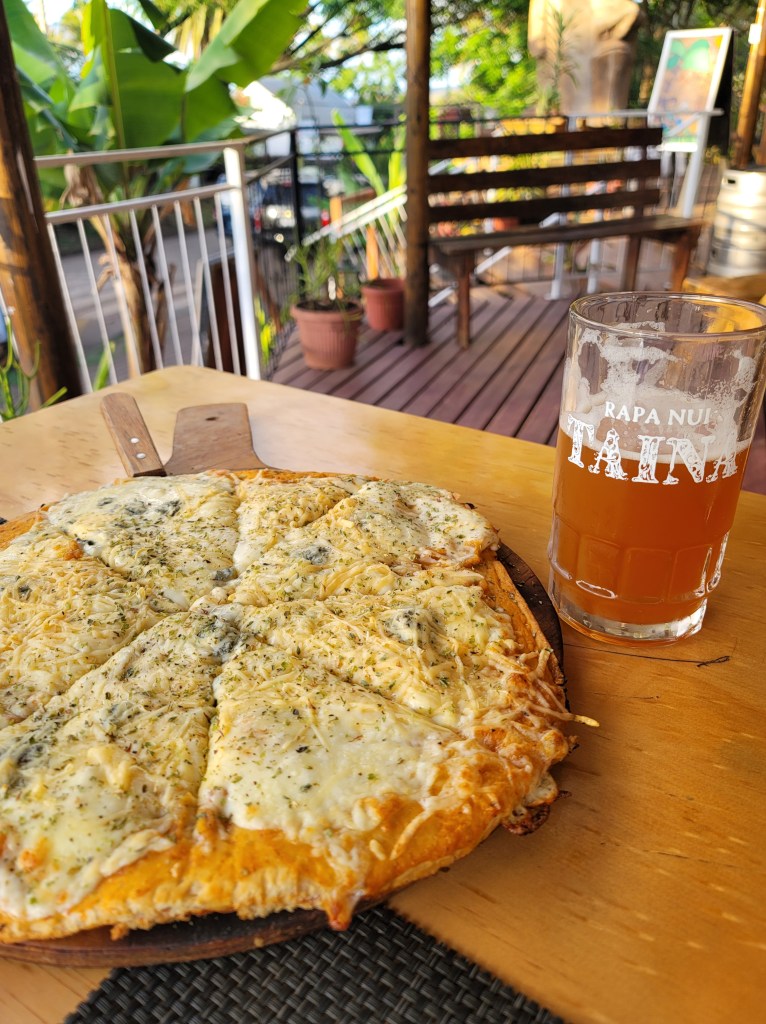
Yes, on this tiny island in the middle of the Pacific, we found a brewery. Not only did we find a brewery, we happened to be staying right across the street from it. Cerveceria Taina was our kind of place. They had good beer, pizza, and a friendly staff. We found ourselves here every night, going over our day and discussing what was to come. They were eager to show me their system and talk shop about brewing and zymurgy, which is always exciting to me. Taina was certainly one of my favorite parts of this trip.

Lorana!
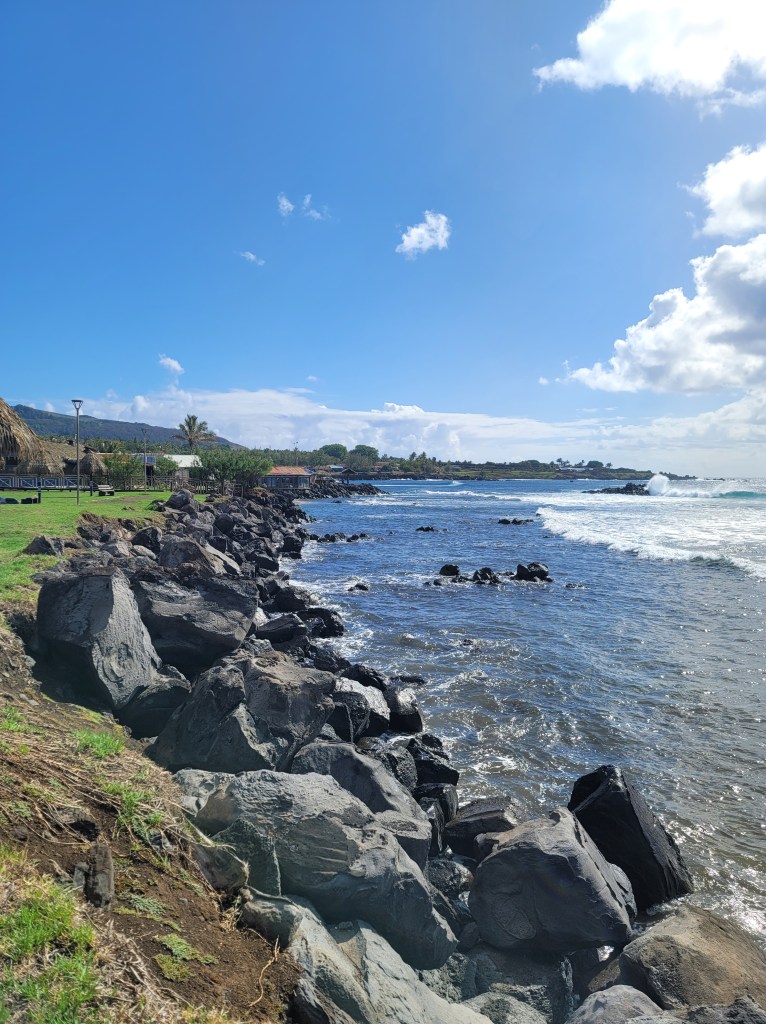
Our time in Rapa Nui was magical. We had an afternoon flight out, so we stopped by the harbor to watch the sea turtles on more time. It was amazing to see so many turtles, so close to shore, just living their turtle lives. We bid the sea turtles and gorgeous harbor goodbye and then walked back to the hotel to gather our things and catch our transfer to the airport.

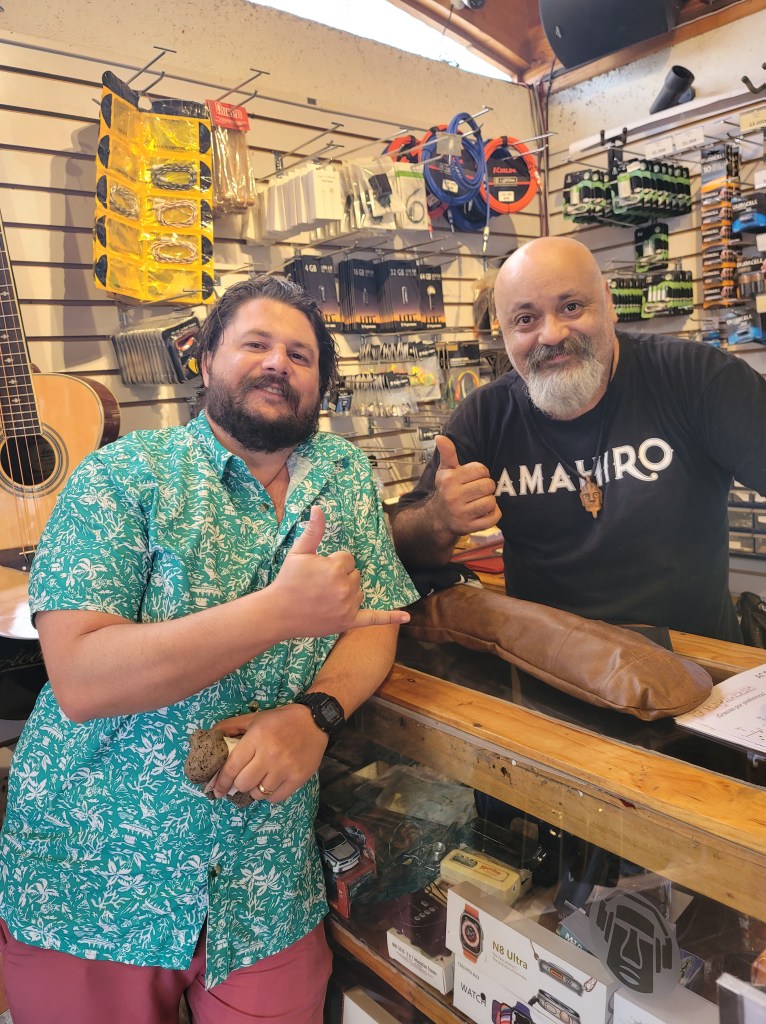
On our walk back, we noticed a music store and had to pop in for a peek around. RapaMusic was as cool as a music store can get, the owner was friendly and informative, and before we knew it, we had purchased an Asonu ukulele. The ukulele was made by an expert in Chile Victor Jofre and is constructed with only solid wood in the traditional Tahitian way. It is a really great reminder of our time in Rapa Nui.
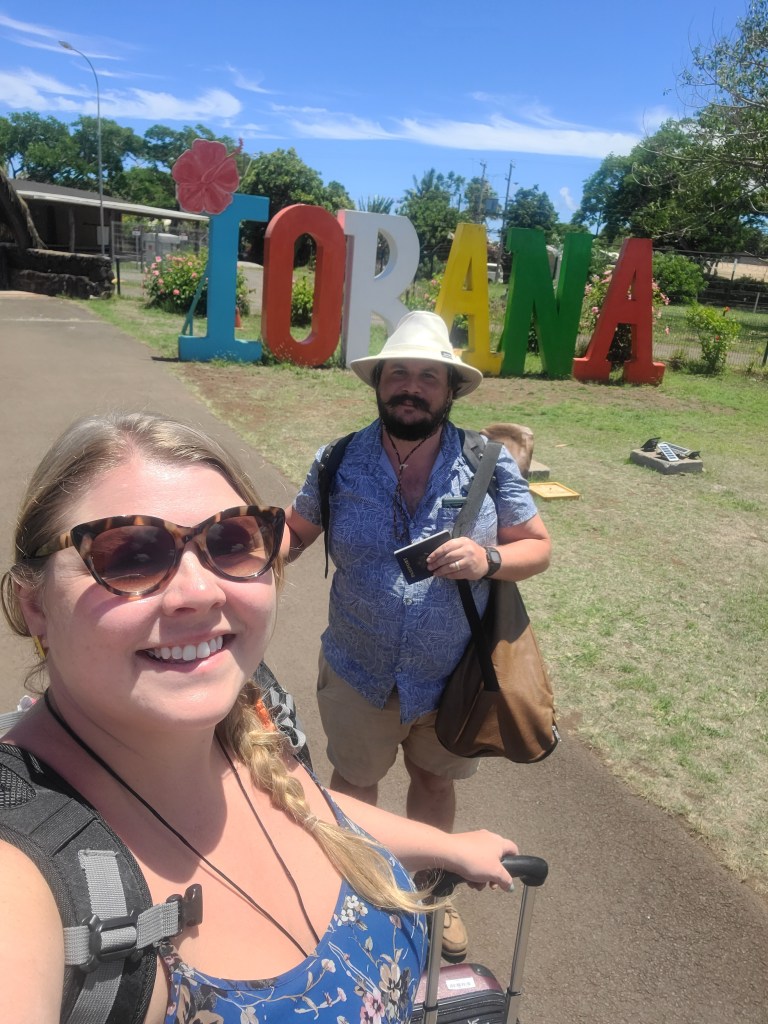
Our transport to the airport was just as easy and lovely as our pickup, the staff at Hotel Hare Nua Boutique Hotel really know how to spoil their guests. Check in and security were a breeze and before we knew it, we had one last island beer in our hands, toasting to a wonderful trip. Similar to “Aloha,” “Lorana” means both “hello” and “goodbye” in the Rapa Nui language– so, lorana to this beautiful island, what a dream it was to visit.










 Beer Travelers