
It’s a short and sweet one today, as we share a day-trip to the tiny English town of Wells. I’ve had Wells Cathedral saved on my Google Maps for years as an “if I’m ever in the area” destination. Our UK road trip provided just the chance and after a little more convincing from our hotel host Rory, we woke up early on a market day and made the short drive from Cheddar to Wells for a morning of exploring.

Wells Cathedral
Wells Cathedral, formally known as the Cathedral Church of Saint Andrew, is a captivating example of English Gothic architecture located in the historic city of Wells, Somerset, England. Constructed in the 12th century, this cathedral is celebrated as one of the most exquisite in the United Kingdom and a pioneering specimen of early English Gothic design. Its construction began in 1175 and spanned nearly eight decades. Wells Cathedral marked a pivotal shift from the previous Romanesque architectural style to the Gothic, incorporating elements of both French and English influences. Over the centuries, it has undergone numerous renovations and additions, contributing to its unique character.

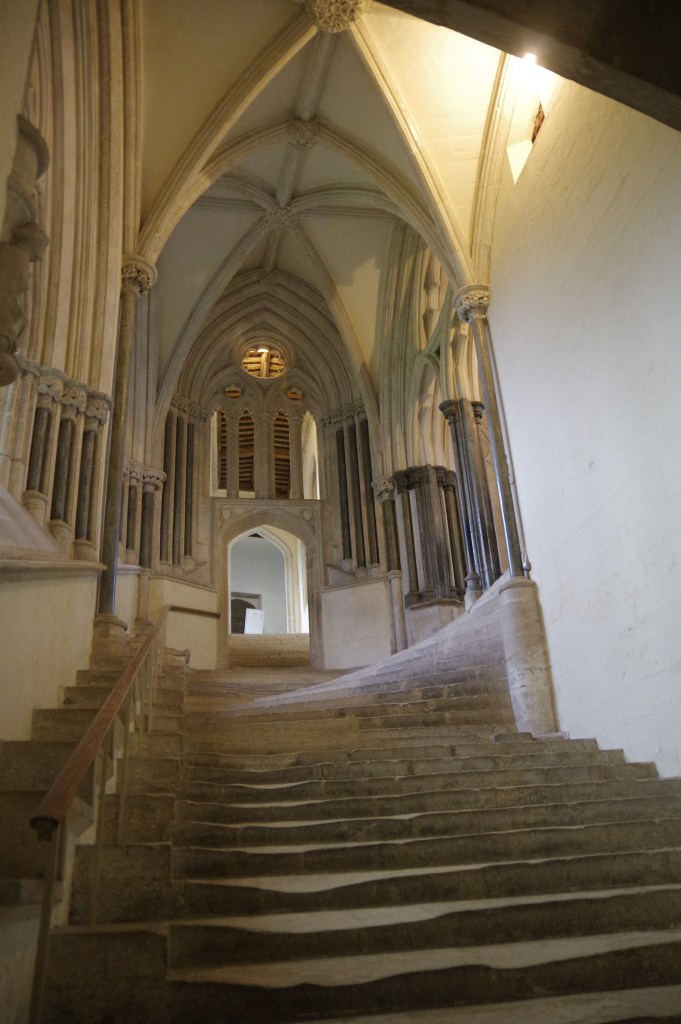
Inside Wells Cathedral, a wealth of historical and artistic treasures await. Among the standout features are the scissor arches in the nave, added in the 14th century to support the central tower, and the stunning Chapter House with its intricate geometric ceiling patterns.
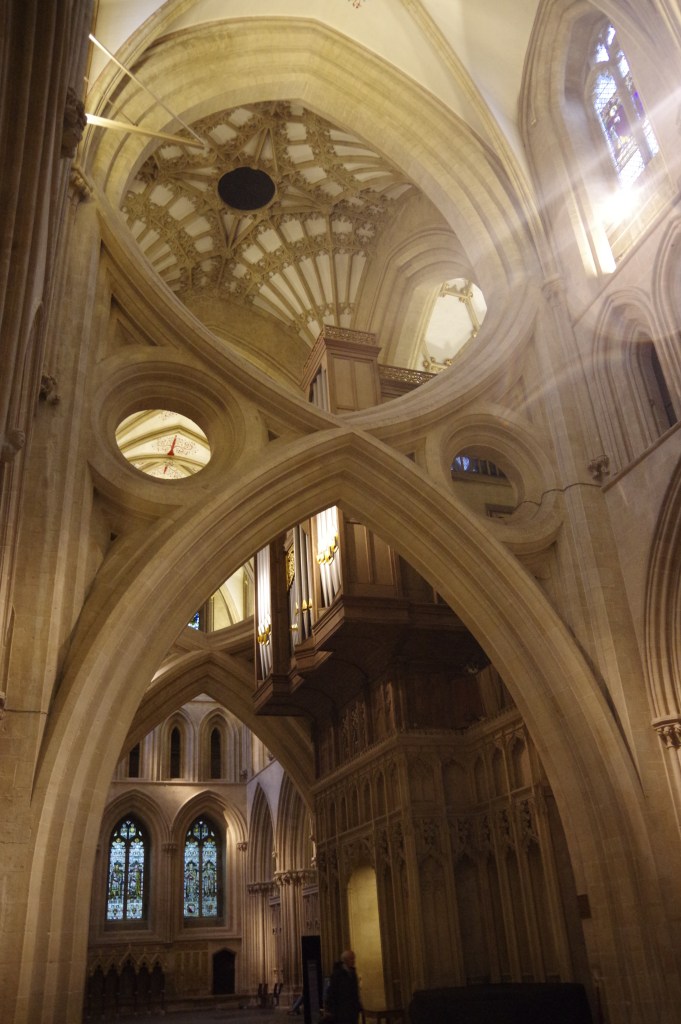
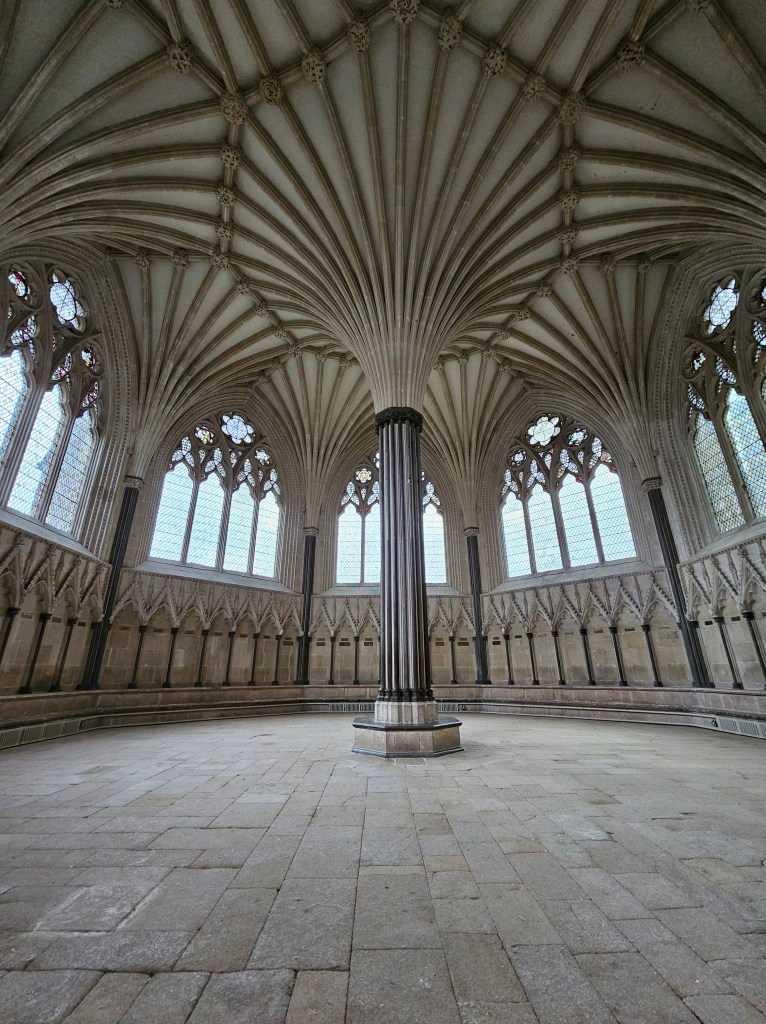
The cathedral’s collection of stained glass windows, notably the “Jesse Window” depicting the genealogy of Christ, is a sight to behold. The peaceful cloisters and the cathedral’s library, housing ancient manuscripts and books, offer visitors a rich tapestry of history and culture to explore.
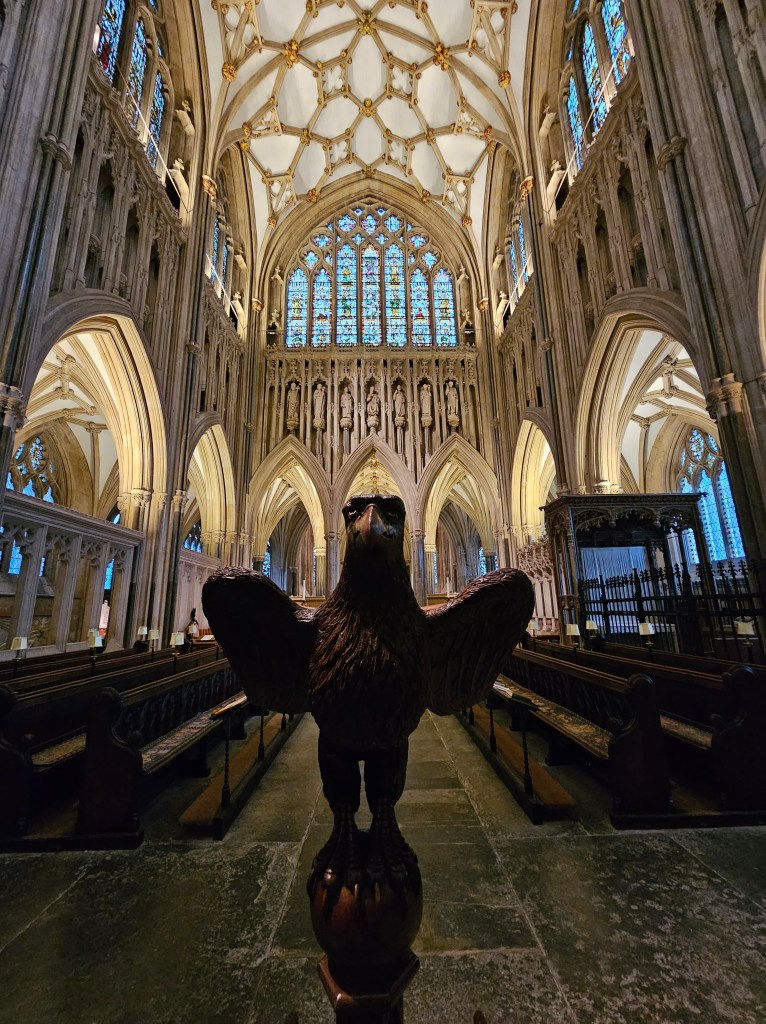
Architecturally, the cathedral is primarily built from local limestone, giving it a warm, golden hue. Its cruciform plan includes a central tower and two transepts, with a beautifully ornate screen separating the nave and choir. The west front is adorned with over 300 statues portraying biblical scenes and historical figures. Inside, pointed arches, ribbed vaults, and flying buttresses are defining features of Gothic architecture. Wells Cathedral is a testament to the skills and artistry of medieval craftsmen who designed and built this masterpiece.


Wells Cathedral is the final resting place of several significant individuals, such as Bishop Jocelin of Wells, who played a key role in the cathedral’s construction and is interred within its historic walls. The cathedral’s tombs, memorials, and monuments commemorate clergy, local dignitaries, and other notable figures, offering a tangible link to the cathedral’s rich history and the people who contributed to its legacy.


Wells Cathedral is not just a place of worship; it is a magnificent work of art, offering visitors an opportunity to immerse themselves in the rich history and architectural splendor of this iconic English cathedral. The cathedral itself was more than worth a visit to Wells for us, it is truly a marvel to see in real life– and for those interested in period dramas, you can see glimpses of the cathedral in The Spanish Princess. Entrance is by donation, the suggested rate is £8.00, which is well worth it and goes to the upkeep of the cathedral and grounds.
Bishop’s Palace
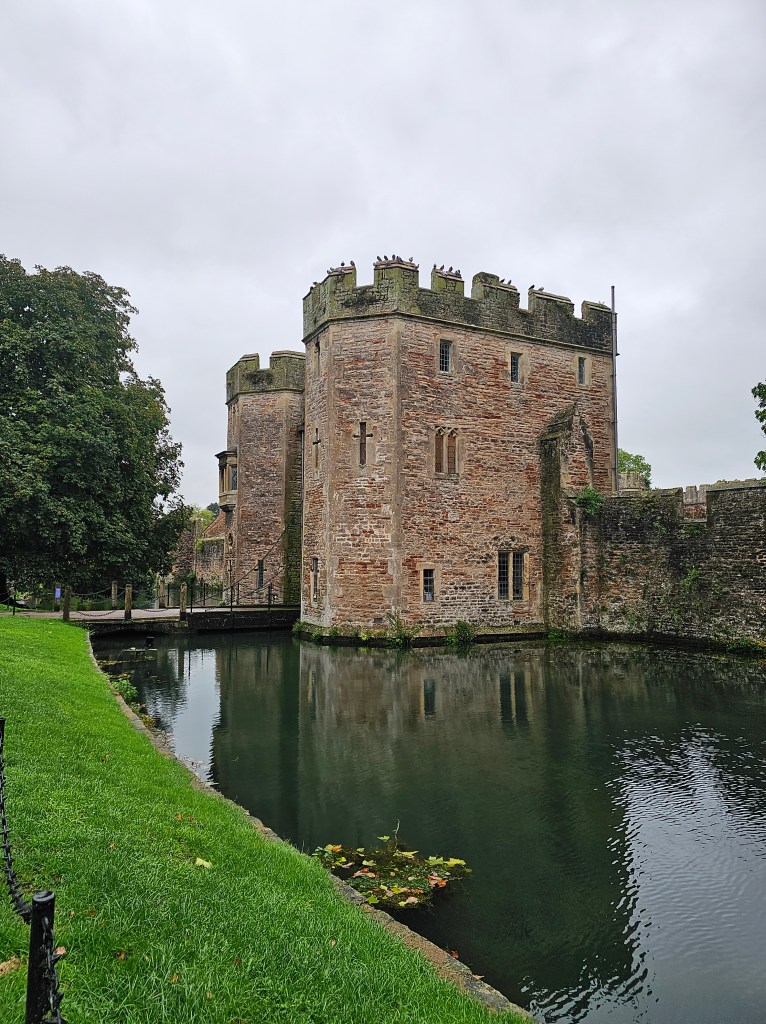
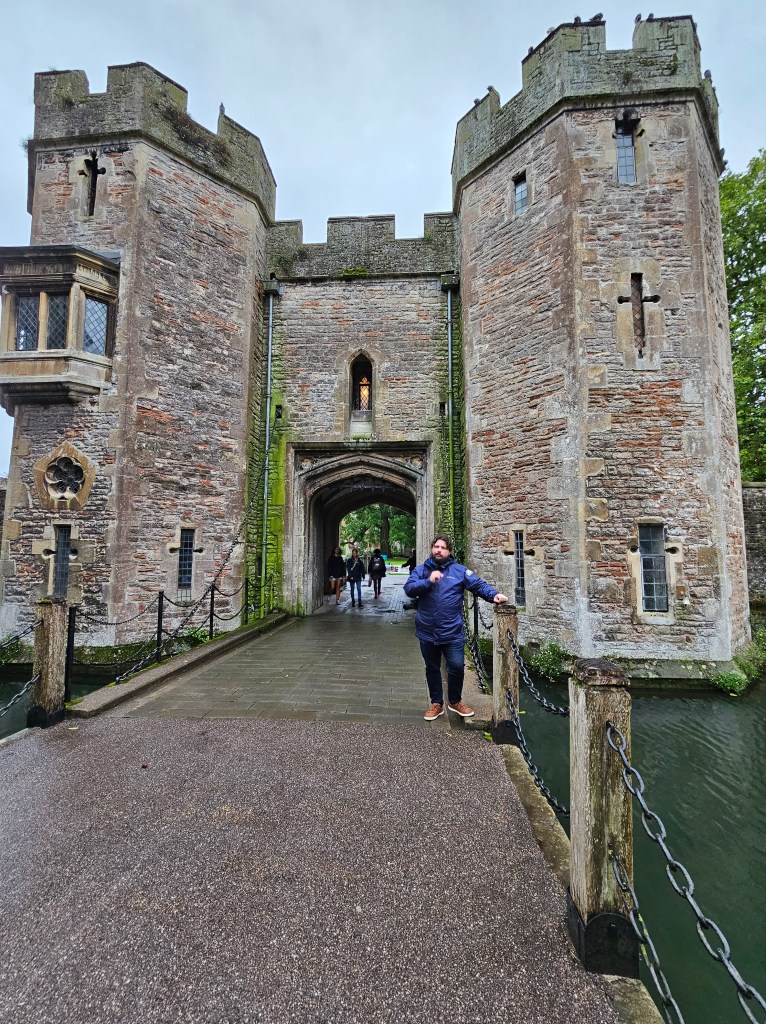
Adjacent to the cathedral, The Bishop’s Palace is a captivating historic site whose origins trace back to the 13th century when it was constructed as the official residence for the Bishop of Bath and Wells. Serving as both a fortified palace and a symbol of the bishop’s religious and secular authority, the palace has witnessed over 800 years of history, making it one of the oldest continuously inhabited episcopal palaces in England. Over the centuries, it has undergone various modifications and renovations, reflecting the changing tastes and preferences of the bishops who called it home.

Today, the Bishop’s Palace welcomes the public, offering a unique opportunity to explore its medieval architecture, immaculate gardens, and delve into its rich history. The main attractions within the palace grounds include the palace itself and beautifully landscaped gardens. Admission to the palace and gardens is £16.00 and includes unlimited visits for 12 months.

My favorite spot was the enchanting moat that surrounds the palace, and the remains of the great hall. The moat, with its calm waters and picturesque setting, is home to a resident community of graceful swans, which adds to the overall charm of the palace.

Market
As mentioned, Wells had been marked for me to visit “one day” but it wasn’t necessarily a priority on this trip and we would have missed it had it not been for the insistence of our hotel owner, Rory. Upon check-in the day before, he told us that we had to visit Wells the next morning, as it was a market day. The market in Wells, UK, is a vibrant and integral part of the city’s cultural and commercial heritage. With a history that stretches back centuries, the market has been a crucial center for trade and a social gathering place for the local community. Its historical roots are deeply ingrained, having been granted a market charter by King John in 1201, which allowed for the regular organization of markets and fairs. These traditions continue to flourish today, with the Wells market combining its historical significance with modern commerce.
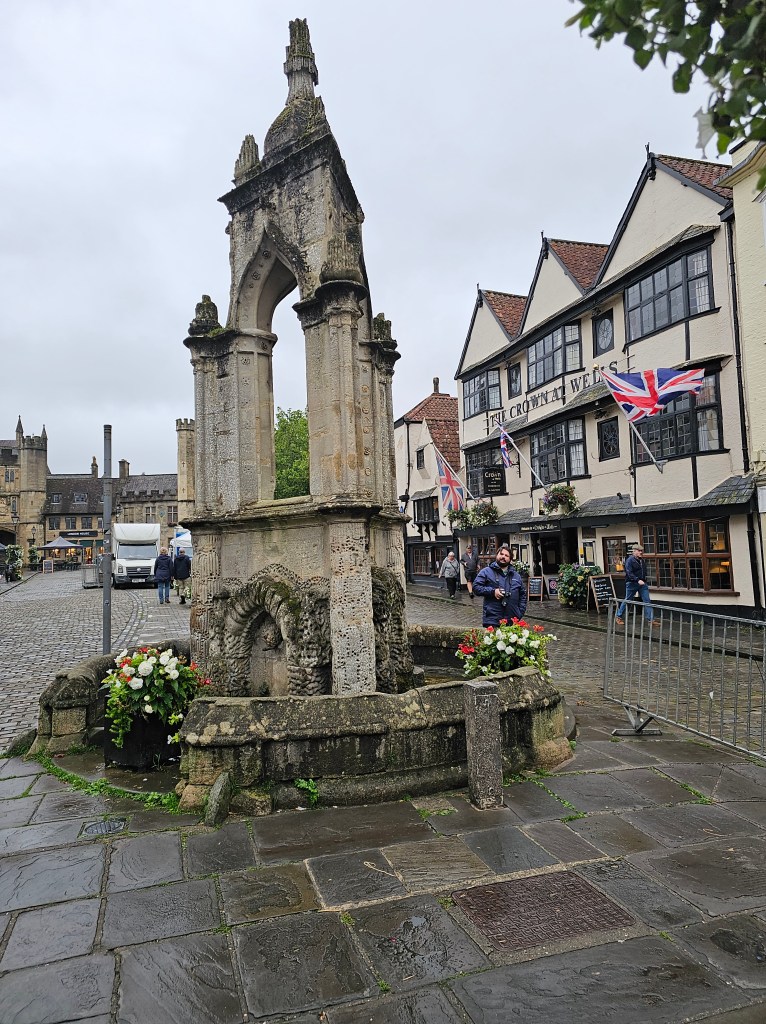
Located in the heart of the city, the market typically takes place on Wednesdays and Saturdays, offering an array of goods and products. The central Market Place and adjacent streets come alive with vendors setting up stalls to display their wares and engage with customers. The city’s compact and walkable layout makes the market easily accessible to both residents and tourists.
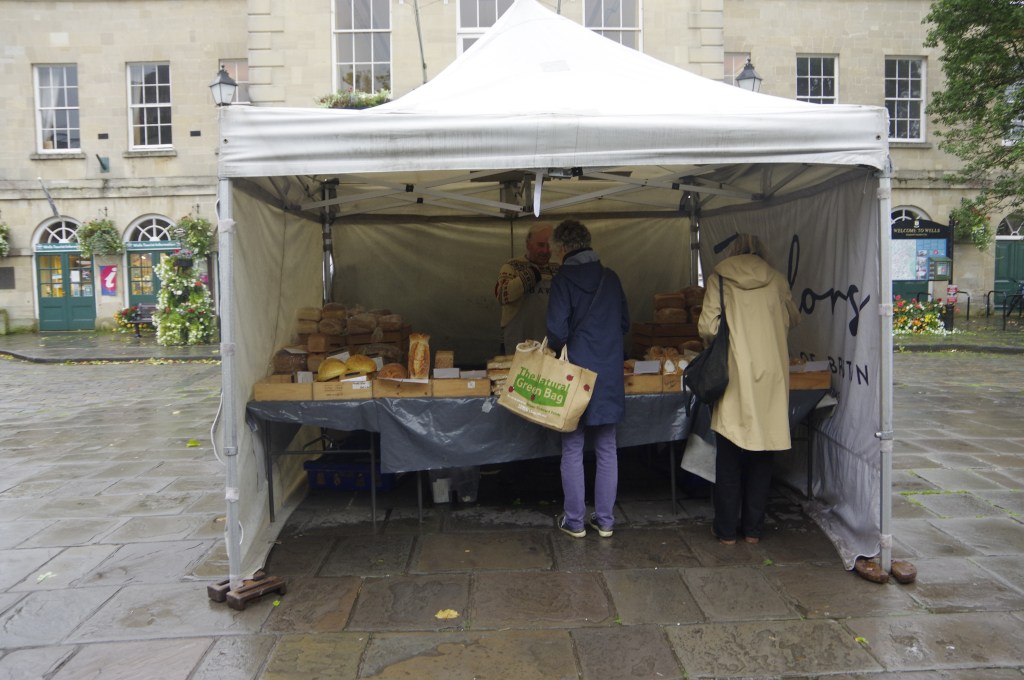
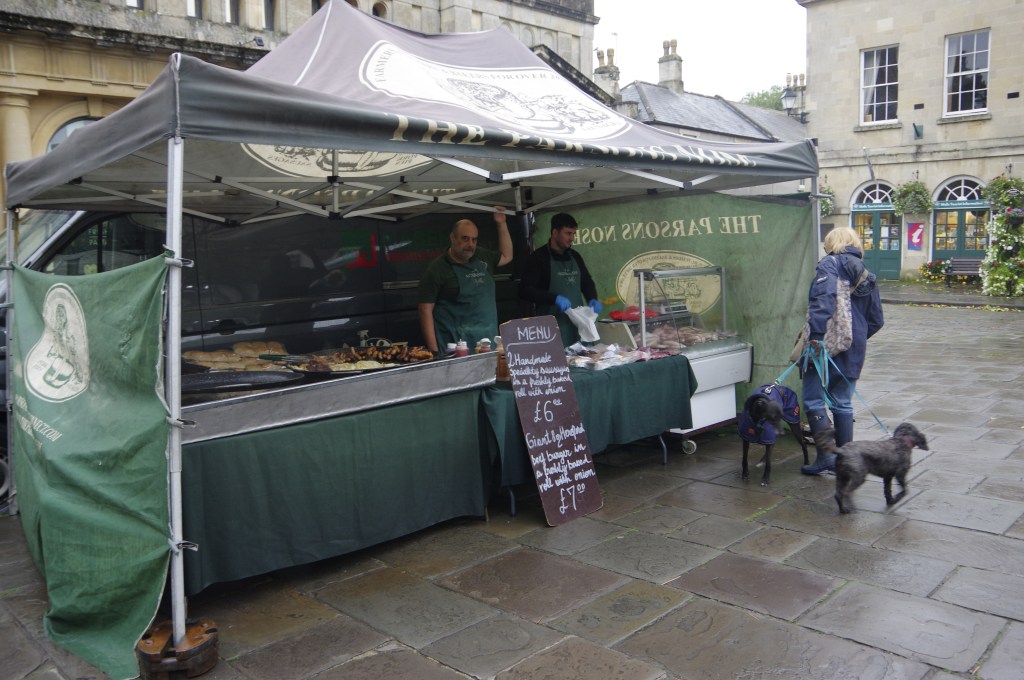
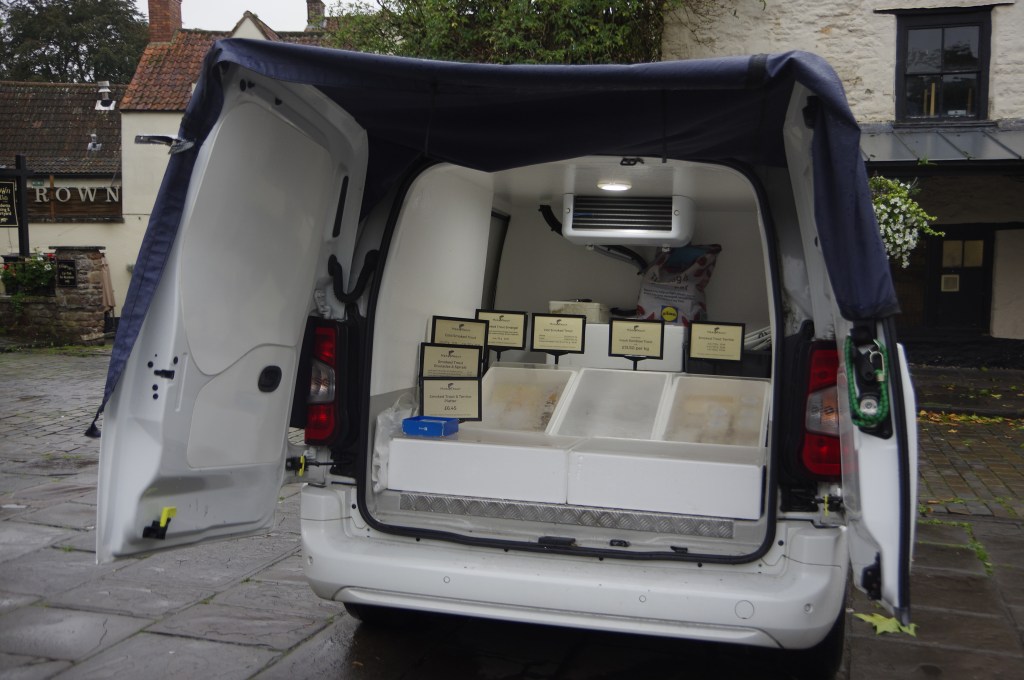
We happened to visit on a particularly blustery day, high winds, torrential rain at points, so it wasn’t the best showing of the market, unfortunately. However, on a typical day, visitors to the Wells market can expect a diverse range of products, often with a strong emphasis on locally sourced and artisanal items. Fresh produce, including fruits, vegetables, and locally produced dairy products, can be found alongside baked goods and confectioneries. The market also showcases the talents of local artists and craftsmen, offering unique gifts, jewelry, textiles, and handmade decorations. For those with a penchant for history, the market is a treasure trove of antiques, collectibles, and vintage items, adding a nostalgic touch to the market experience.

Flapjacks
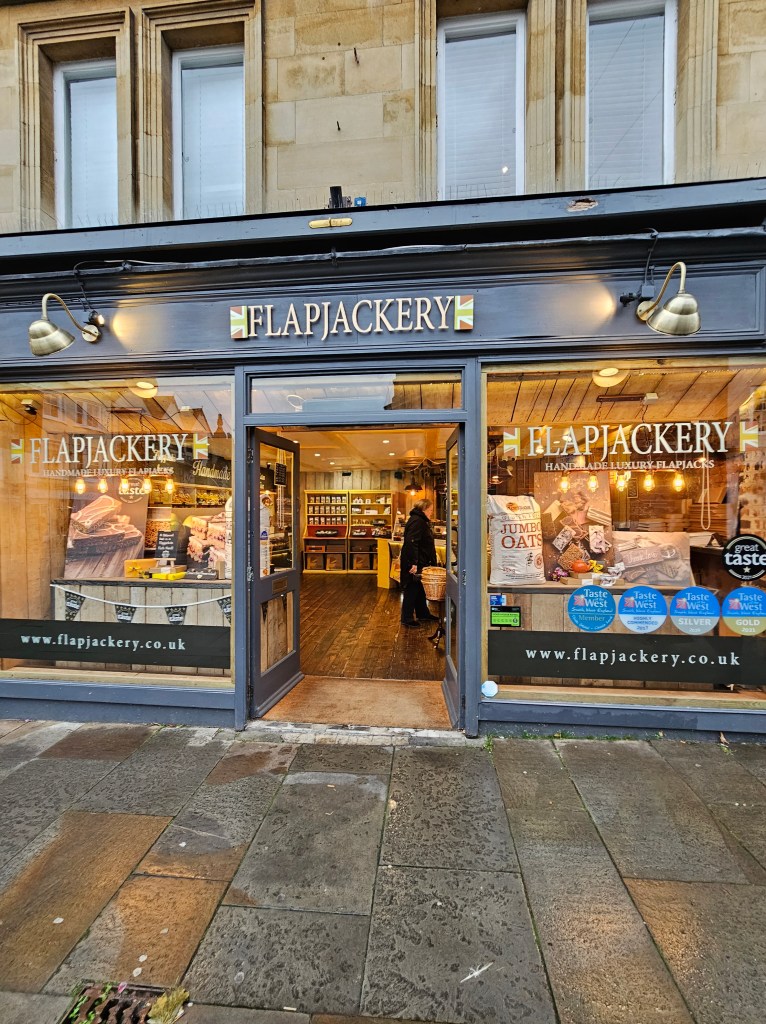
Picture this, it is rainy and a little chilly (especially for a Floridian) and you see a business called “FLAPJACKERY.” In that cold-driven moment, almost nothing sounds better than a stack of warm flapjacks, right? Now, imagine my chagrin when I discovered that “Flapjack” means something very different in the UK (luckily, still quite tasty).
In the United States, a flapjack is another term for a pancake. American flapjacks are typically made from a batter consisting of flour, milk, eggs, baking powder, and other ingredients. They are poured onto a griddle or frying pan and cooked until they are golden brown and have a slightly fluffy or cake-like texture. Now, in the United Kingdom, a flapjack is a type of sweet oat bar. It is made by combining rolled oats, butter, brown sugar, and golden syrup (a thick, sweet syrup made from sugar and treacle). The mixture is pressed into a baking dish and baked until it becomes firm. Once cooled and cut into bars, flapjacks are a popular snack or treat. Flapjacks have a chewy, dense texture and a sweet, buttery flavor.
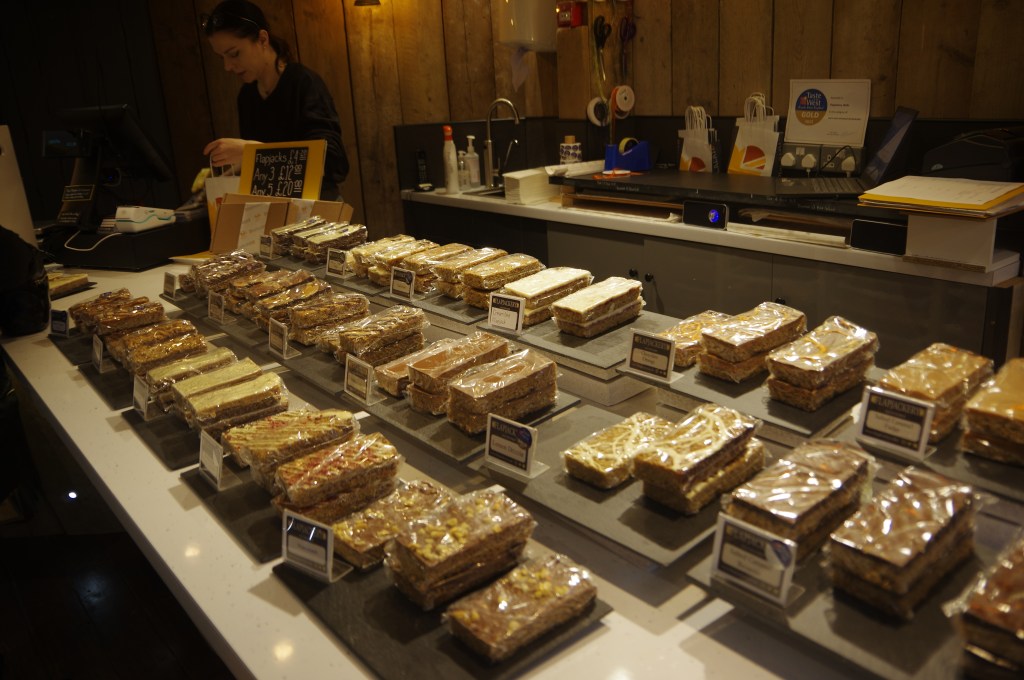
Flapjackery had a beautiful assortment of flapjacks for us to purchase and you better believe we left with quite a few different varieties to snack on for the rest of our road trip. This was one of those moments that I love about traveling– getting to discover something new when you least expecting it, even if that something is as simple as a flapjack.
Visiting Wells
Embarking on a day trip to Wells from either Bath or Cheddar promises a memorable adventure in the heart of Somerset. From Bath, it’s a picturesque 20-mile drive through the rolling countryside, while Cheddar offers a scenic 12-mile journey. Upon arrival, make the iconic Wells Cathedral your first stop, marveling at its Gothic grandeur. Wander the historic streets, pay a visit to the enchanting Bishop’s Palace, and perhaps explore the local market if it’s a market day. Take a moment to enjoy a delightful peek around town and soak up the city’s rich history and charm. Whether you’re starting your journey from Bath or Cheddar (like us), a day trip to Wells offers a delightful blend of culture and history, promising a day of exploration and discovery.




 Beer Travelers