
This one is going to be short and sweet, just like our time in Santiago, Chile.
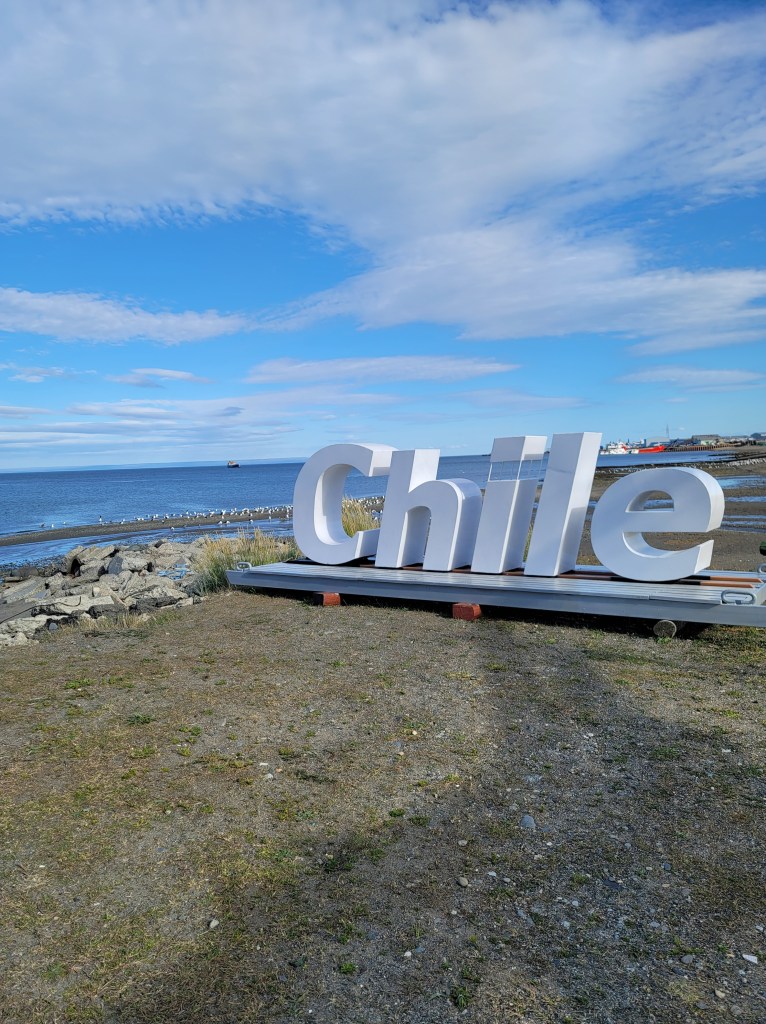
Getting to the most remote places in the world requires a bit of legwork and a lot of patience. With that in mind, this is how we spent two nights in Santiago but only explored the city for a handful of hours.
Rapa Nui (Easter Island) had been tossed around as a future destination between us a few times. We have a world map as our shower liner and it’s hard not to look at the little dot of green floating in the middle of the Pacific and not wonder what’s up there. When the news that Rapa Nui was reopening post-pandemic and a sweet points transfer deal popped up to Santiago on Aeromexico, I knew it was our time. When I booked our flights to Santiago, I didn’t realize how restrictive flights to the island were– there was one to and from each day. This meant that we would land in Santiago, stay the night, fly to Rapa Nui for our trip, and then stay the night in Santiago again on our return trip. Our original plan was to explore Santiago for a few days when we returned from the island but adventure found a way, and we ended up in Patagonia for a few days instead. With that said, we ended up with a theoretic 11 hours to spend in Santiago between our flight from Patagonia and our flight out of Chile entirely. That 11 hours was whittled down to 6 hours outside of the airport, due to a delayed flight from Punta Arenas (the winds at the end of the continental world are no joke) and leaving ample time for security and passport control. In a fashion true to ourselves, we made use of every minute of those 6 hours and got a nice taste of Santiago.
A Bit of History
Santiago, the capital city of Chile, has a rich history that dates back over 450 years. The city was founded in 1541 by Spanish conquistador Pedro de Valdivia, who named it “Santiago de Nueva Extremadura” in honor of Saint James and the region of Extremadura in Spain.
During the colonial period, Santiago became an important political and economic center for the Spanish empire, and many impressive buildings were constructed, such as the Presidential Palace, La Moneda. In 1810, Chile declared independence from Spain, and Santiago played a crucial role in the fight for freedom.
In the late 19th and early 20th centuries, Santiago experienced a period of rapid growth and modernization, with the construction of new buildings, parks, and public transportation systems. The city also became a hub for cultural and intellectual life, with the founding of the University of Chile and the National Museum of Fine Arts.
In the 1970s, Santiago became the center of political turmoil as the socialist government of Salvador Allende was overthrown in a military coup led by General Augusto Pinochet. Pinochet’s regime ruled Chile with an iron fist for nearly two decades, and many human rights abuses were committed during this time.
Since the return to democracy in the 1990s, Santiago has undergone significant changes and improvements, with the restoration of historic buildings, the creation of new public spaces, and the expansion of public transportation. Today, Santiago is a vibrant and dynamic city that blends its rich history with modern amenities and cultural offerings, making it a popular destination for travelers from around the world.
Sleeping Near Airports
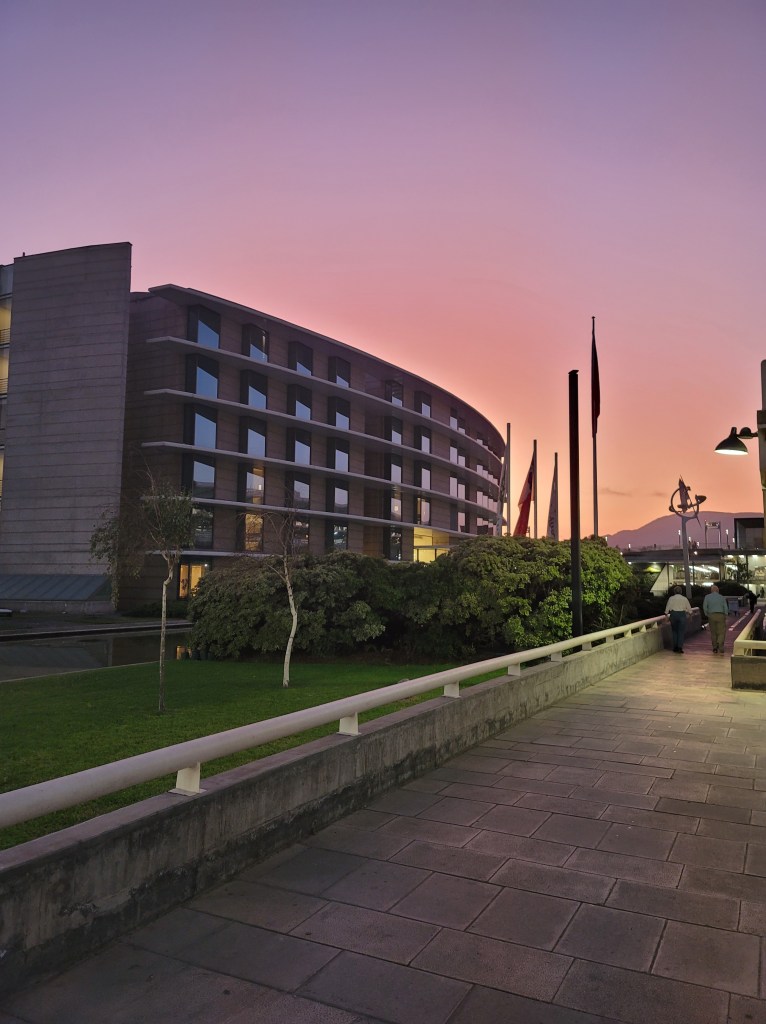
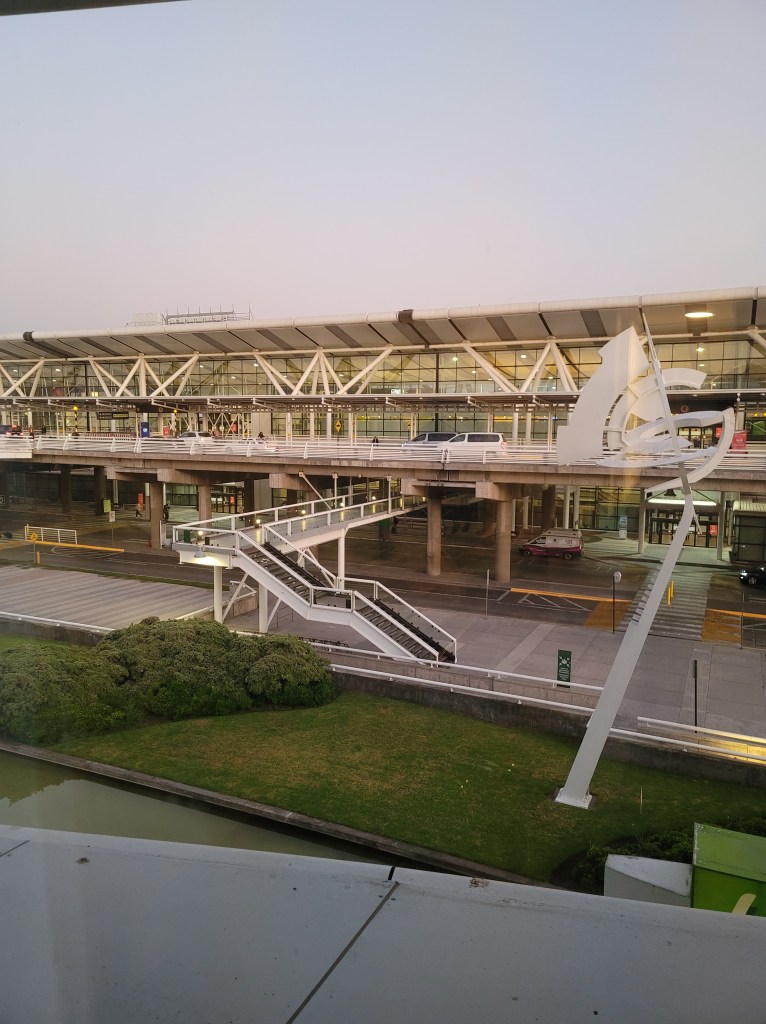
Holiday Inn Santiago – Airport Terminal is an excellent choice for travelers looking for convenience and comfort during their stay in Santiago. The hotel is located just steps away from the Santiago International Airport, making it an ideal choice for those with early morning or late-night flights. The rooms are spacious and modern, with comfortable beds and all the amenities needed for a comfortable stay. The hotel also offers a fitness center, an indoor pool, and a restaurant serving delicious local and international cuisine. The staff at Holiday Inn Santiago – Airport Terminal are friendly and helpful, and the hotel is situated across from the terminal. Overall, if you’re looking for a comfortable and convenient stay in Santiago, this hotel is an excellent choice.
A Whirlwind Tour
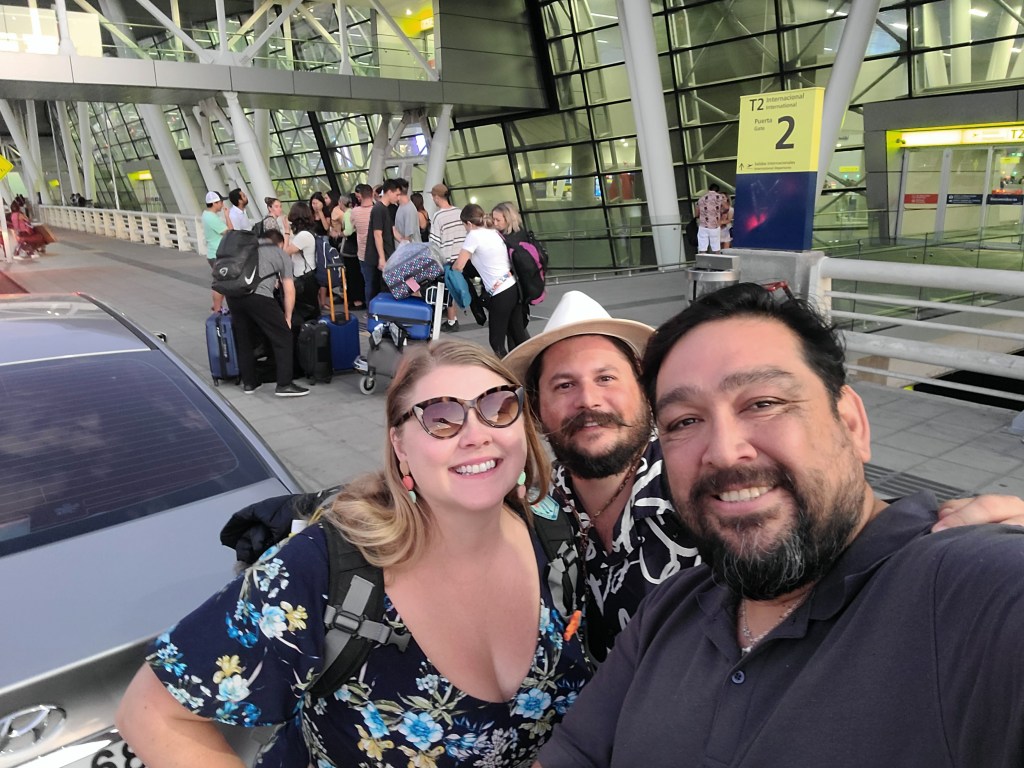
With limited time in Santiago, I didn’t want to fuss with public transportation. I did a little research and found MTO Tour Company. They arranged to pick us up at the airport, take us to a winery, and give us a city tour. The day before our flight into Santiago, our tour guide, Alex, texted us with all the details. Unfortunately, our flight from Punta Arenas was cancelled due to high winds and the next flight was 3 hours later. Alex was in constant communication with us and was still able to save the day. We ended up going to a closer winery than planned, had a brief drive through central Santiago with narration of what we were seeing, and added a brewery stop in for good measure.


Chilean Wine Adventure

Wine has been an integral part of Chilean culture for over 500 years. The Spanish conquistadors brought vines with them to Chile in the mid-16th century, and by the 18th century, wine had become an important export for the colony. During the 19th century, Chilean wine gained international recognition for its high quality, with Bordeaux grape varieties being introduced to the country.

In the late 19th and early 20th centuries, Chilean wine faced a number of challenges, including the onset of phylloxera and political instability. However, by the mid-20th century, the wine industry had rebounded, with new plantings of grape varieties and modern winemaking techniques being introduced.
In the 1980s and 1990s, Chilean wine experienced a revolution, with a new generation of winemakers experimenting with different grape varieties and production techniques. This led to the emergence of new wine regions, such as the Casablanca and Colchagua valleys, which are now considered among the best wine regions in the world.
Today, Chilean wine is renowned for its high quality and value, with a wide variety of grape varieties and styles being produced. From crisp, refreshing Sauvignon Blancs to full-bodied Cabernet Sauvignons and Carmeneres, Chilean wine offers something for every palate.

Since we were in a wine-producing locale, we arranged for our tour to take us to a winery. Located just 22 miles from Santiago, the Concha y Toro Winery is one of the most famous and historic wineries in Chile. Founded in 1883, this winery has been producing some of the world’s most delicious and sought-after wines for over a century. Today, it is one of the largest wine producers in the world and attracts thousands of visitors every year.
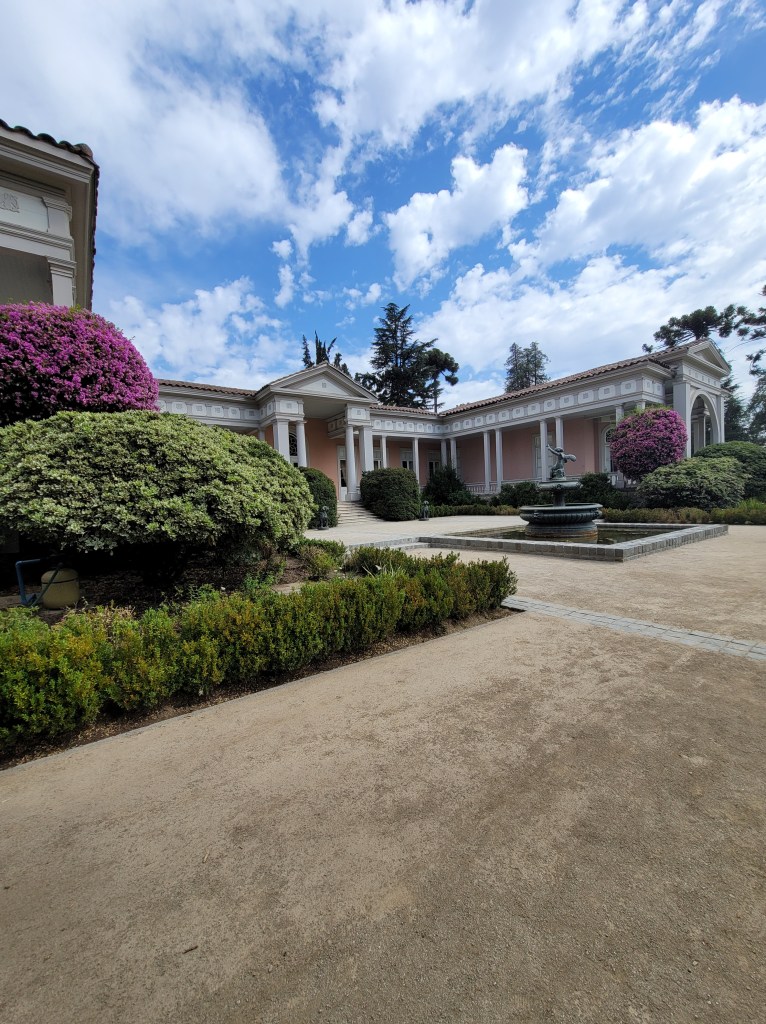
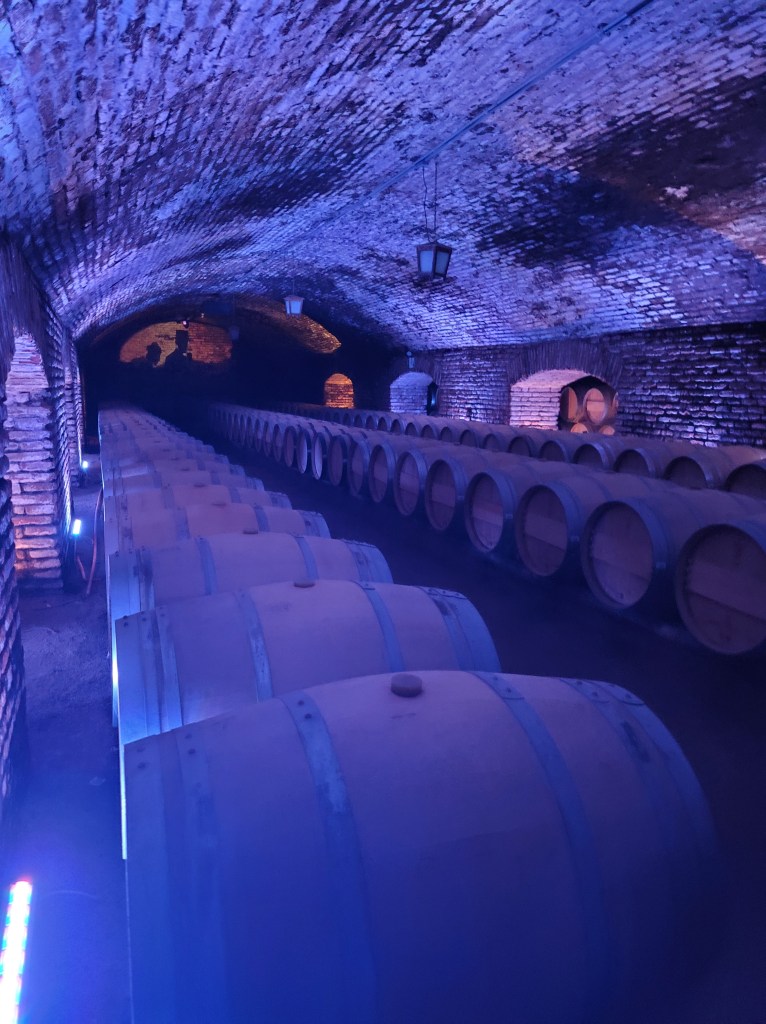
The tour of Concha y Toro winery starts with a visit to the grounds and manor house, where the knowledgeable guide explains the history of the company. Next, we took a trip into the vineyards to learn about the growing process and how the winery uses sustainable practices to produce some of the finest grapes in the world. By this time, we built up a thirst, so a tasting of some of Concha y Toro’s signature wines, including its world-renowned Casillero del Diablo wine, was on the docket. Finally, we were taken to the wine cellars to learn about the wine-making process and see the historic barrels where some of the finest wines are aged.

One of the highlights of the tour is the visit to the Casillero del Diablo wine cellar, where the famous legend of the Devil’s Cellar was born. According to the legend, the founder of the winery placed a sign on one of the cellars that read “Casillero del Diablo” (Devil’s Cellar) to keep people away from his best wines. The lighting effects combined with the audio overhead telling the story with such passion and enthusiasm leave you feeling as if you’re part of the legend.
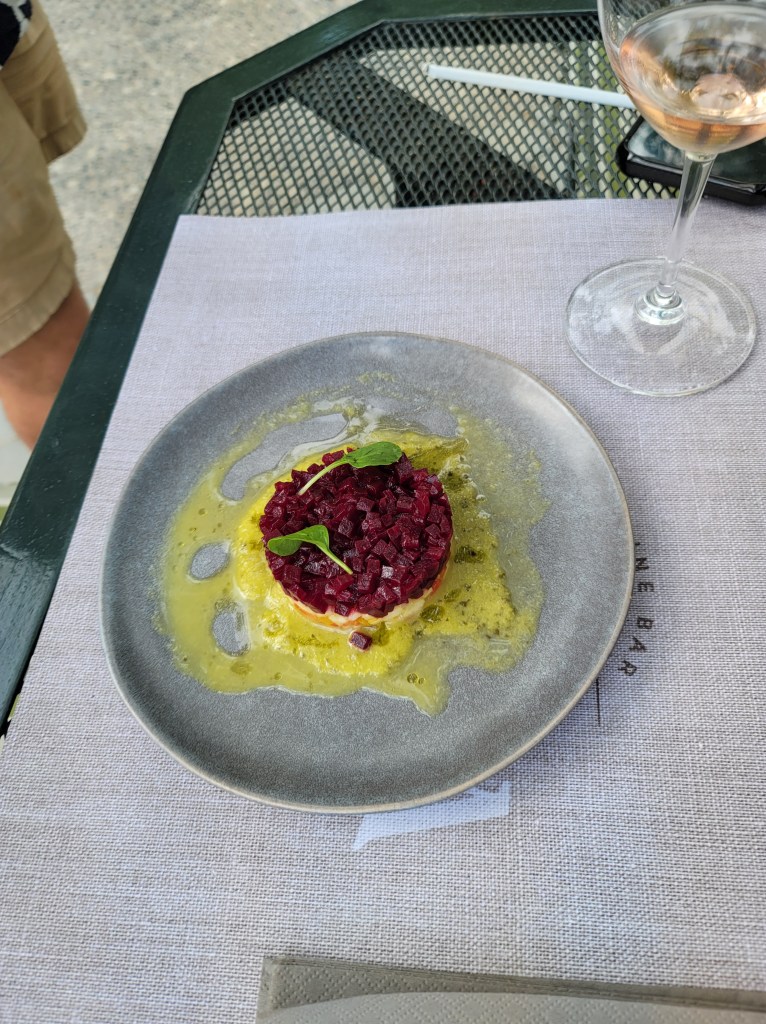
We were feeling a bit peckish before the tour and luckily there was a restaurant on site. Dining at Bodega 1883 at Concha y Toro winery was a culinary delight that perfectly complemented the exceptional wines of Chile’s Maipo Valley. The outdoor space had a rustic ambiance and historic charm (there was indoor dining but it was so nice outside) and provides a unique and memorable setting for a gourmet experience. The menu at Bodega 1883 features a tantalizing array of dishes crafted from locally sourced ingredients, expertly prepared by the talented culinary team. From perfectly grilled meats to fresh seafood and vegetarian options, there was something to satisfy every palate. Paired with Concha y Toro’s premium wines, dining at Bodega 1883 was a great way to kick off our winery outing.

Squeezing a Brewery In
While wine may be the most well-known alcoholic beverage associated with Chile, beer also has a long and interesting history in the country. The history of beer in Chile dates back to the 19th century when German immigrants brought their brewing traditions with them. These immigrants established breweries in the southern regions of Chile, such as Valdivia and Osorno, and soon their beers became popular among the local population.
In the early 20th century, Chilean beer production was dominated by a few large companies. However, in the 1990s, there was a surge of interest in craft beer in Chile, and small breweries began to pop up all over the country. Today, there are over 300 craft breweries in Chile, producing a wide variety of beers with unique flavors and styles.
One of the most famous styles of Chilean beer is the “Cerveza Austral,” a type of German-style lager that is popular throughout the country. Another popular style is the “Cerveza Negra,” a dark beer with a rich, malty flavor. Many Chilean breweries also use local ingredients, such as quinoa and blueberries, to create unique and flavorful beers.

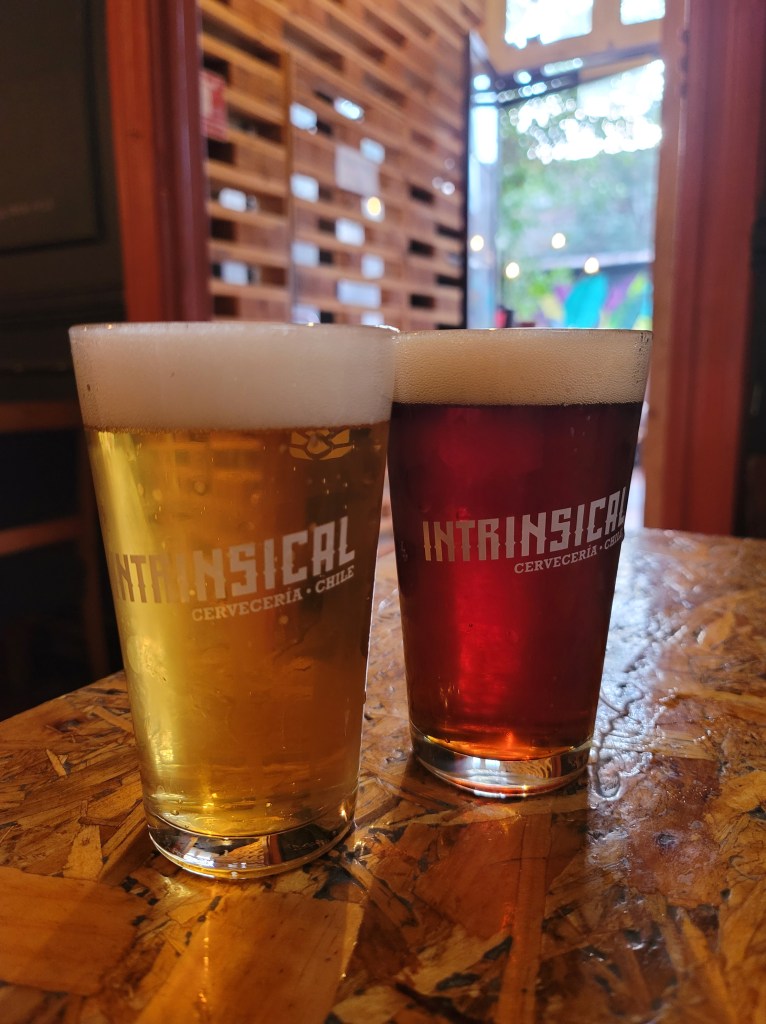
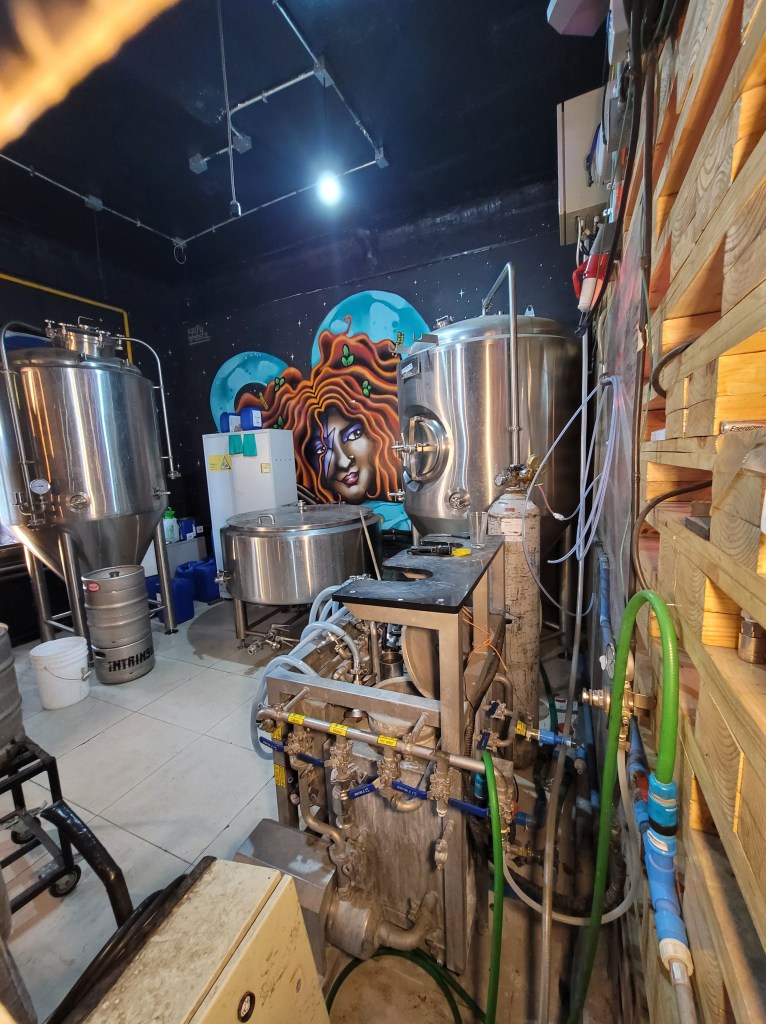
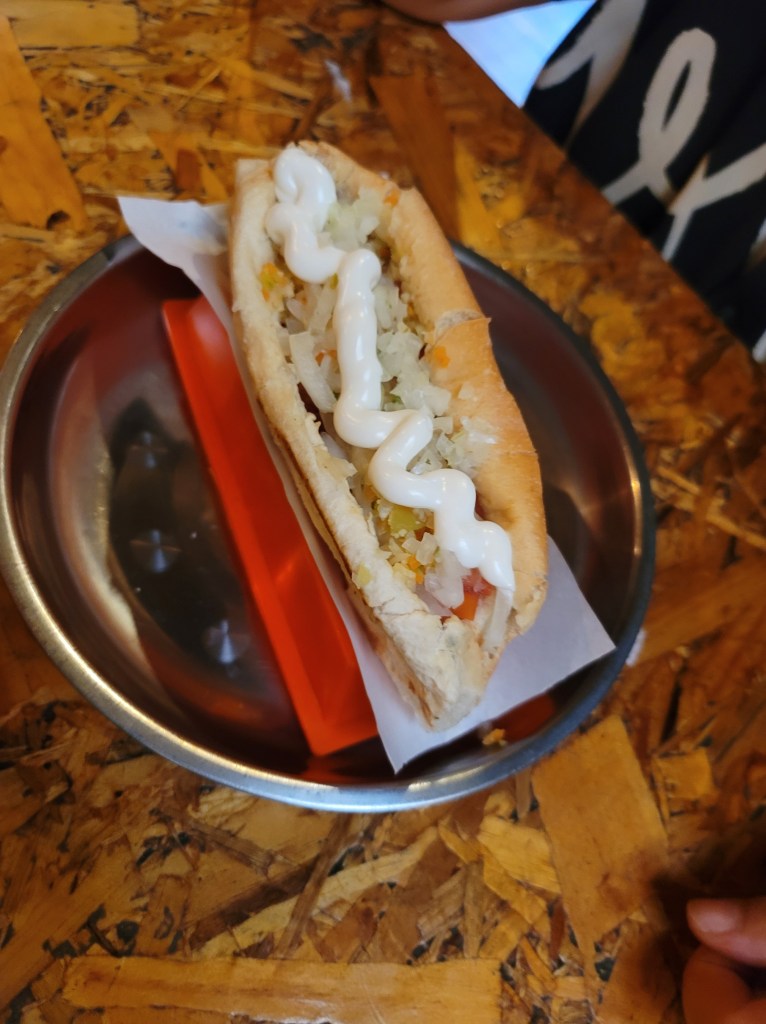
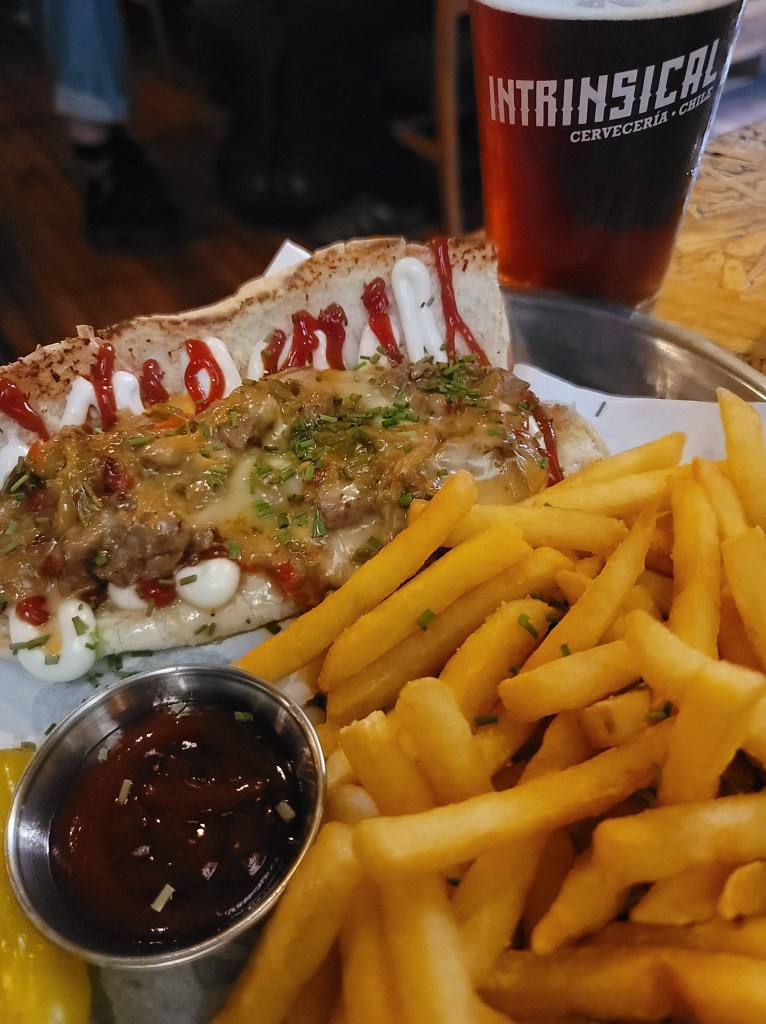
Once we realized how crunched for time we were, a quick google search for breweries in central Santiago led me to Cerveceria Intrinsical. If you’re looking for a unique and exciting beer experience in Santiago, Cerveceria Intrinsical is a wonderful stop. This brewery is known for its innovative and experimental approach to brewing, using local ingredients like quinoa and aji peppers to create distinctive and delicious beers. With a rotating selection of beers on tap, there’s always something new to try (I’ve been following them on Instagram since our visit and everything looks to die for). The brewery also offers tours and tastings, giving visitors a chance to learn about the brewing process and sample some of their unique and flavorful beers. The staff was amazingly friendly and knowledgeable (shout out to Carola, who was super kind). Knowing that we had a long flight to Mexico City ahead of us, we had grabbed some food to pair with our beers. David had a completo ( A Chilean style hotdog) and I snagged a Philly Collins (their take on a cheesesteak). Both were absolutely phenomenal and paired well with our beer choices– a Kölsch and an Altbier.
We’ll Be Back
Our short visit to Santiago, Chile was an unforgettable adventure filled with unique experiences. Booking a tour with a private driver allowed us to explore the city within our limited timeframe, and visiting Concha y Toro Winery was a nice introduction to Chilean viniculture. The quick city tour gave us a glimpse into Santiago’s rich history and culture, and the visit to Cerveceria Intrinsical was a perfect way to unwind and enjoy the local craft beer scene. Because our journey in Chile required so many awkwardly timed flights, staying at the conveniently located Holiday Inn Santiago Airport hotel was a wise choice, with its proximity to the airport making our travel logistics seamless. Santiago Airport (SCL) is approximately 17 kilometers from the city center, and options such as buses, shuttles, and taxis are available for transportation from the airport to the city for those who have more time. Overall, our visit to Santiago was a perfect blend of exploration, indulgence, and relaxation, leaving us with cherished memories and a deep appreciation for the vibrant city and its unique offerings. There is no doubt that we will be back.

 Beer Travelers
2 replies »