
When you think of Pompeii, visions of volcanic eruptions, buried ruins, and a lost city come to mind. However, Pompeii is a bustling city once again, albeit surrounding those ruins and possibly thriving because of the tourists who come to visit. Most visitors to Pompeii spend a few hours with a guide, wandering the ruins before heading to their next stop on a big-bus tour. We had the opportunity to spend two nights in Pompeii and get a picture of what life is like in the coastal city.
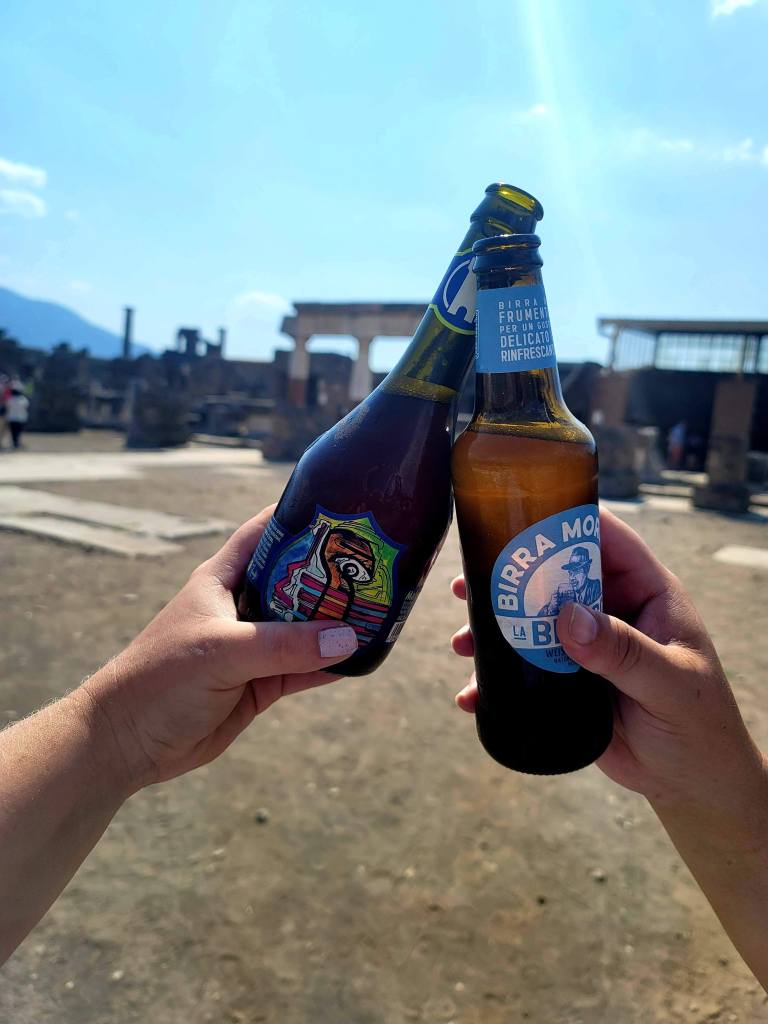
Pompeii is located in southern Italy, just a few miles away from the ancient ruins of the Roman city that was buried by the eruption of Vesuvius in 79 AD. The modern city of Pompeii is a popular tourist destination and attracts millions of visitors each year who come to explore the archaeological site and learn about the city’s rich history. In addition to tourism, Pompeii is also home to a thriving agricultural industry, producing a variety of crops such as tomatoes (the tomatoes *drool*), grapes, and olives. The city has undergone significant development in recent years, with modern infrastructure and amenities making it a comfortable and convenient place to live and visit.
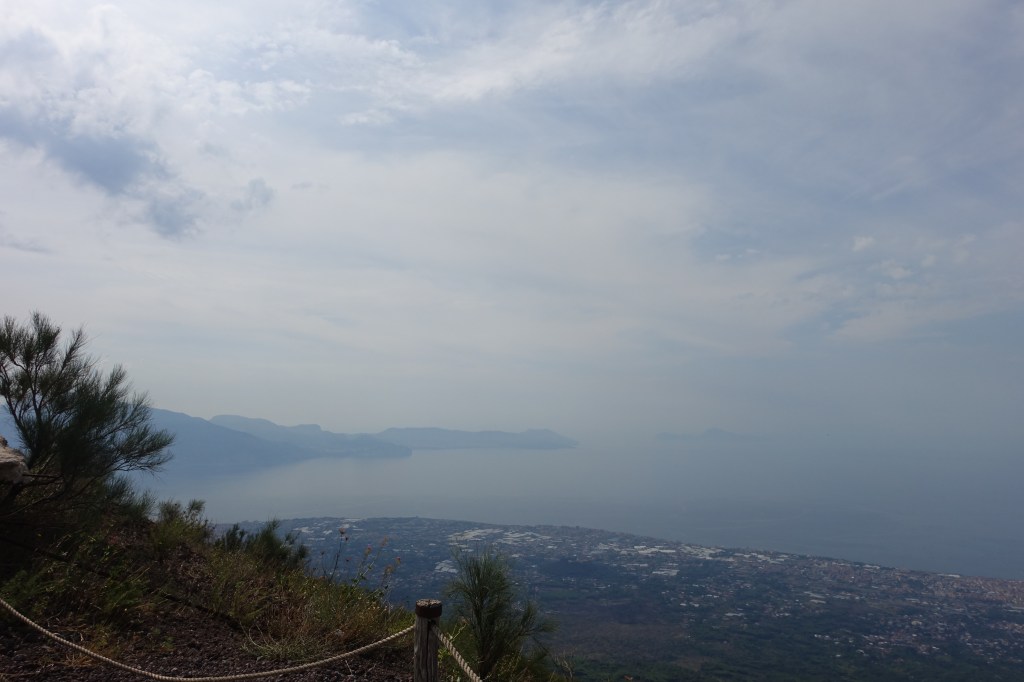
We arrived via train from Naples at Pompei Scavi Villa Dei Misteri. The journey took just over 30 minutes and we had beautiful views of the Gulf of Naples for a good portion of the ride.

The hotel we stayed at was a 15 minute walk from the train station BUT it was directly across the street from the entrance to the archeological site. Hotel del Sole features comfortable guest rooms, many of which offer stunning views of the nearby archaeological ruins. Guests can enjoy a variety of amenities, including an on-site restaurant serving traditional Italian cuisine, a rooftop terrace, included breakfast, and a swimming pool. The hotel’s central location makes it an ideal base for exploring Pompeii and the surrounding area, and its friendly staff are always happy to offer recommendations and assistance.
The Eruption
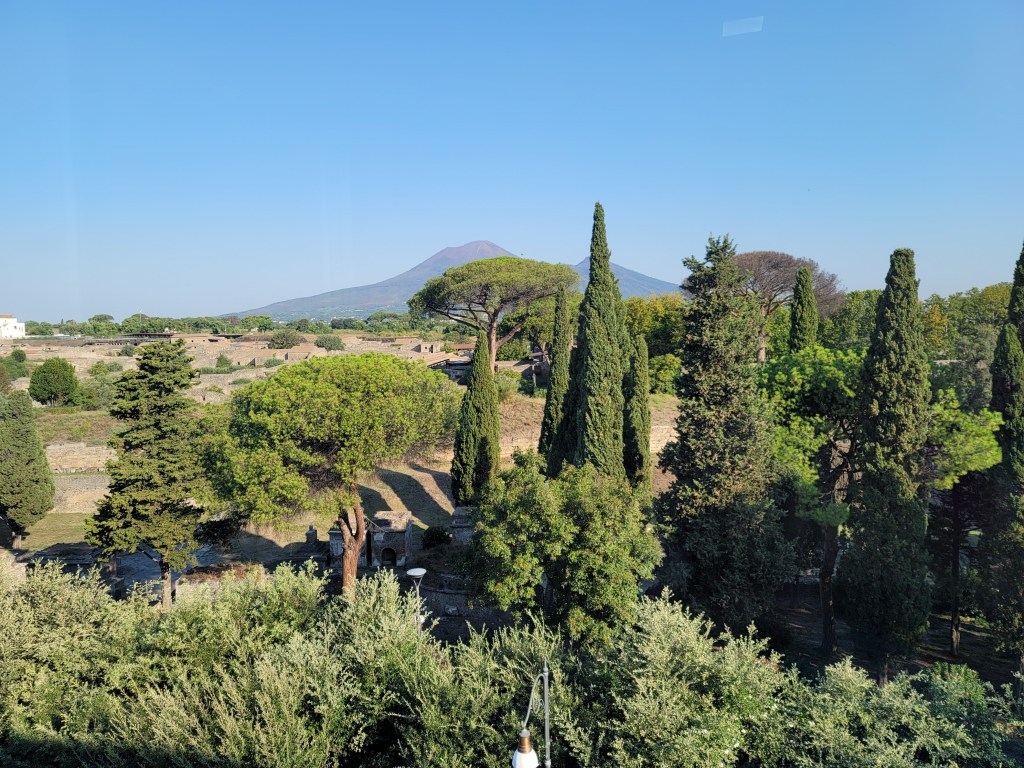
We can’t talk about Pompeii without talking about the volcanic disaster. The eruption of Vesuvius in 79 AD is one of the most famous volcanic eruptions in history. Located on the Bay of Naples in southern Italy, Vesuvius is known for its destructive power and is considered one of the most dangerous volcanoes in the world. The eruption in 79 AD buried the Roman cities of Pompeii and Herculaneum under layers of ash and pumice, preserving them for centuries and providing valuable insight into Roman life and culture. The eruption was one of the deadliest in history, claiming an estimated 16,000 lives.

Archeological Site
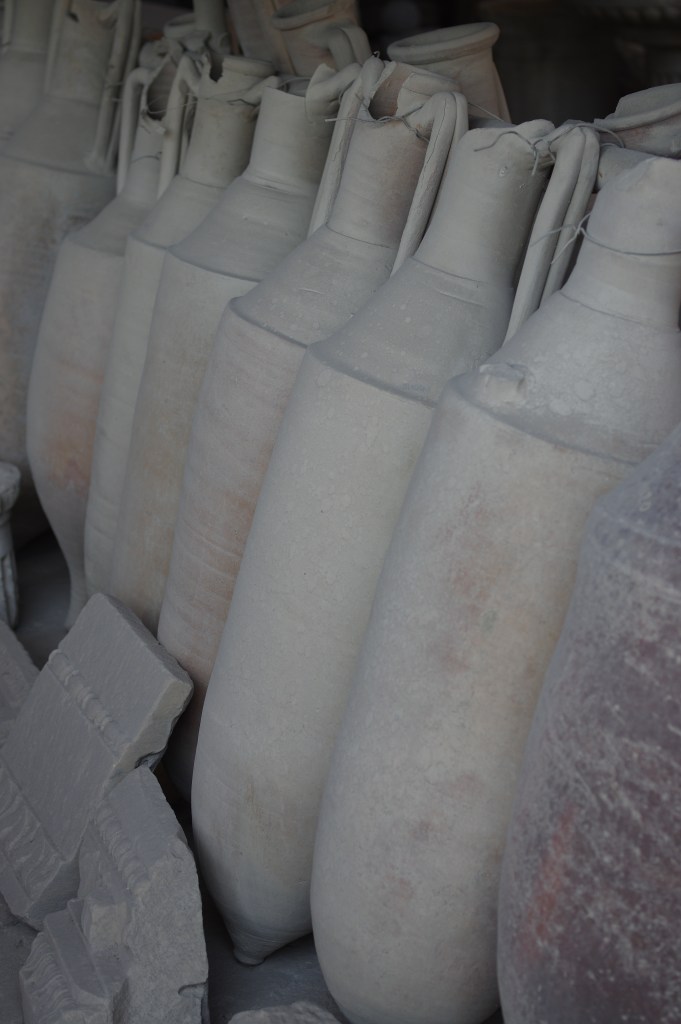
We set out early to the archeological site of Pompeii. We were there in early September but the midday sun was relentless, so we wanted to see as much as we could before we were burned out. Tickets are € 18.00 (~18.00USD) per person and the site is open from 9:00AM-7:00PM in the summer. We had a short guided walk through the site set up and some of the highlights. This is the best way to get your bearings in a place as full of things to see like Pompeii. Keep in mind that it is still an active archeological dig. I had been to the site about a decade before on a big-bus tour and there were things during this current sojourn that had been uncovered in the time between visits. After our guided visit, we intended to explore on our own for an hour or so and then go back to the hotel, relax, eat, and maybe swim a bit. That did not happen. We got so engulfed in our explorations that before we knew it, we were eating at the cafeteria (yes, there is a cafeteria) and hitting the cobblestones again for a deeper dive into the ruins. We left the site at 5:00PM, after arriving at 9:00AM, still wanting more.
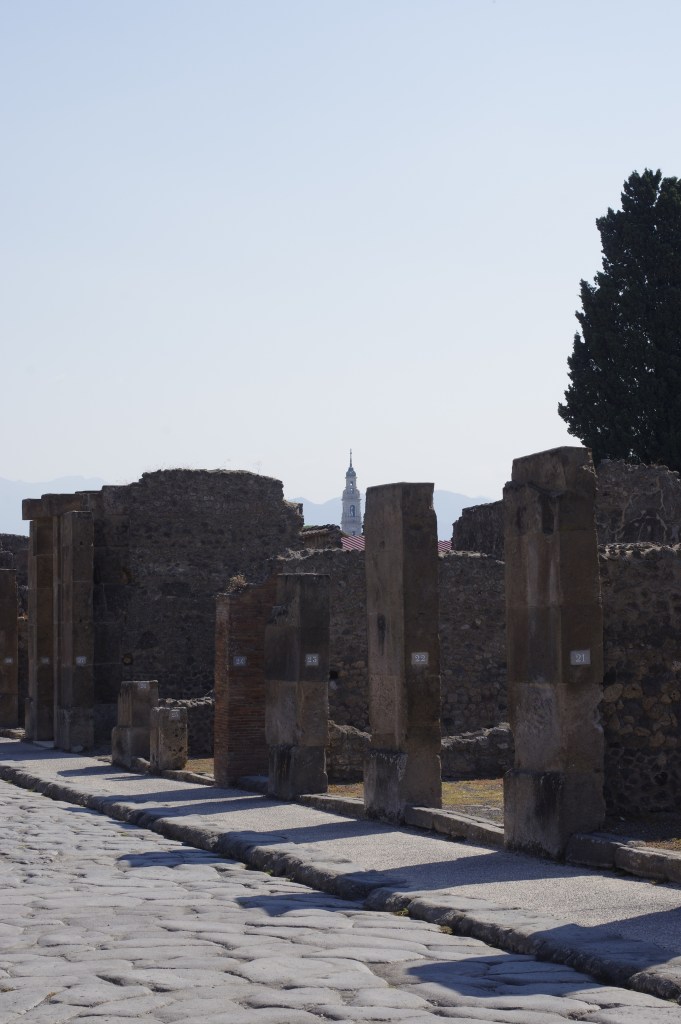
Wandering through the ruins of Pompeii is like stepping back in time to a world that has long been forgotten. As you make your way through the ancient city, the rubble of buildings and the remnants of streets and sidewalks underfoot serve as a constant reminder of the tragedy that occurred here over 2,000 years ago. The eerie silence is punctuated only by the occasional sound of tourists’ footsteps, as you wander through the maze of ruins that once made up this bustling Roman city. As you explore the preserved houses, shops, and public spaces, you can almost feel the energy and vibrancy of life that once thrived here. It’s both humbling and awe-inspiring to witness the remarkable preservation of a place frozen in time by the eruption of Mount Vesuvius, and to imagine the people who once called this place home.

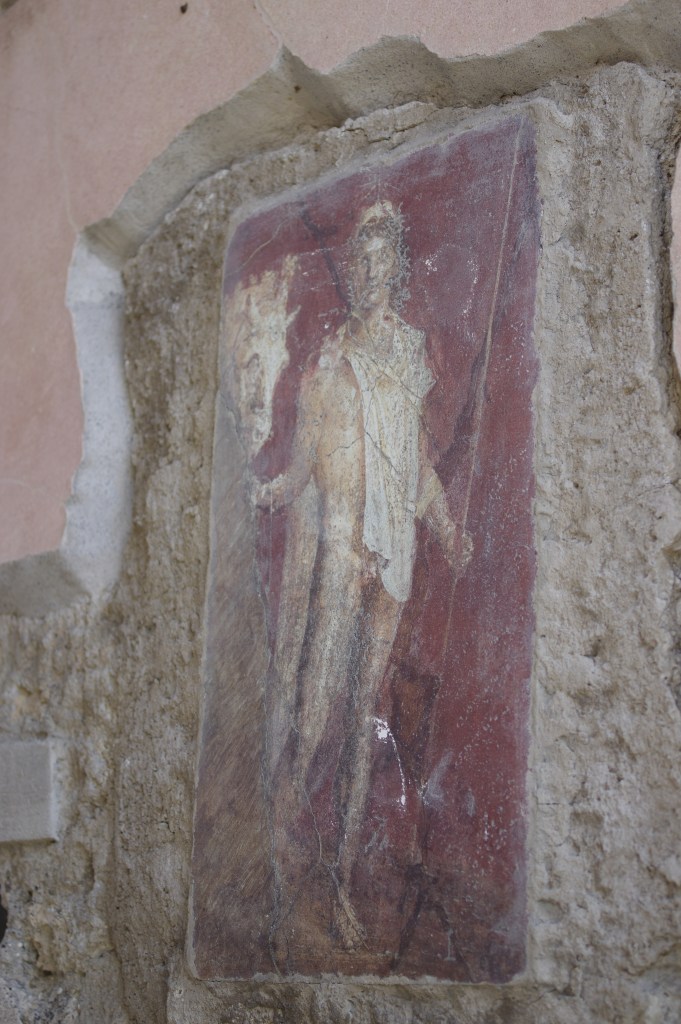
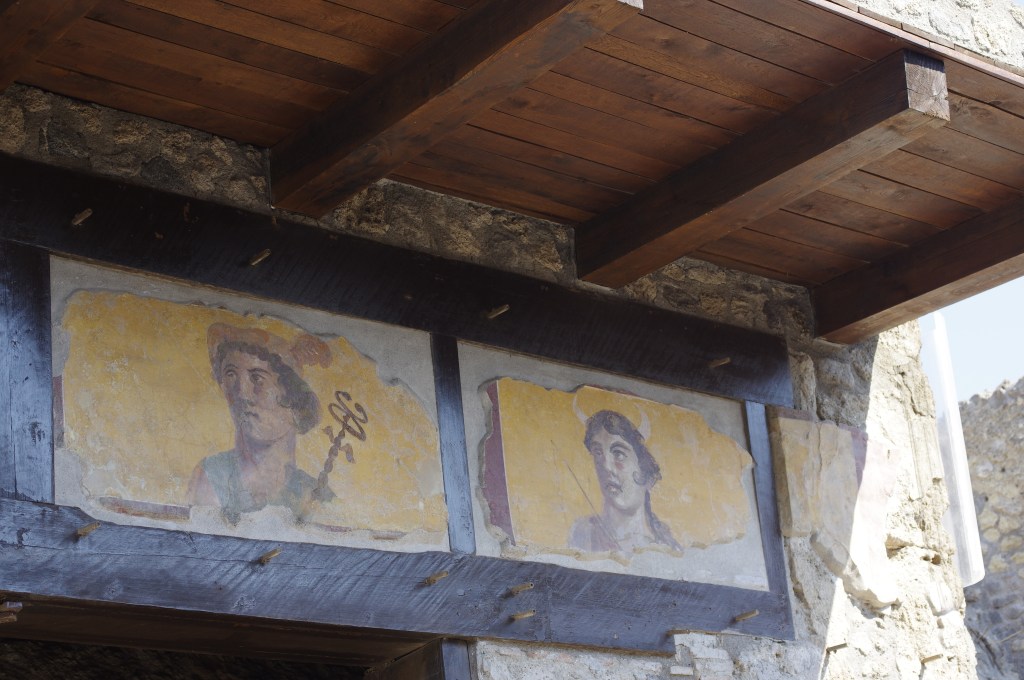
There are countless fascinating sites to explore within the expansive ruins, but a few stand out as the most popular. The first must-visit site is the Forum, the heart of the ancient city where public life played out. Here, you can see the remains of temples, basilicas, and other important buildings. The next site is the Amphitheater, a massive structure that once held up to 20,000 spectators for gladiatorial games and other events. The third site is the House of the Faun, one of the largest and most luxurious homes in Pompeii, featuring intricate mosaics and stunning frescoes. Finally, the Villa of the Mysteries, located just outside the city walls, is an incredibly well-preserved villa with stunning murals depicting a mysterious religious ritual. As you walk to the villa, you pass by massive wild rosemary plants and the smell is amazing. These sites are just a few of the many incredible places to explore within the Pompeii archeological site, and they offer a window into the daily life and culture of the ancient Roman world.


La Chiesa
In the main plaza in Pompeii town, Piazza Bartolo, there is a beautiful cathedral that immediately draws your eye, The Pontifical Shrine of the Blessed Virgin of the Rosary of Pompeii (Italian: Santuario della Beata Vergine del Rosario).

The shrine is dedicated to the Blessed Virgin Mary, and is visited by millions of pilgrims from around the world each year. The centerpiece of the shrine is a large statue of the Virgin Mary holding the infant Jesus, which is believed by many to have miraculous powers. The shrine also includes a beautiful basilica, artwork, chapels, and gardens, and is a popular destination for those seeking spiritual renewal and inspiration. Entry to the cathedral is free but there is a small fee to take an elevator to the viewing platform.


The Eats
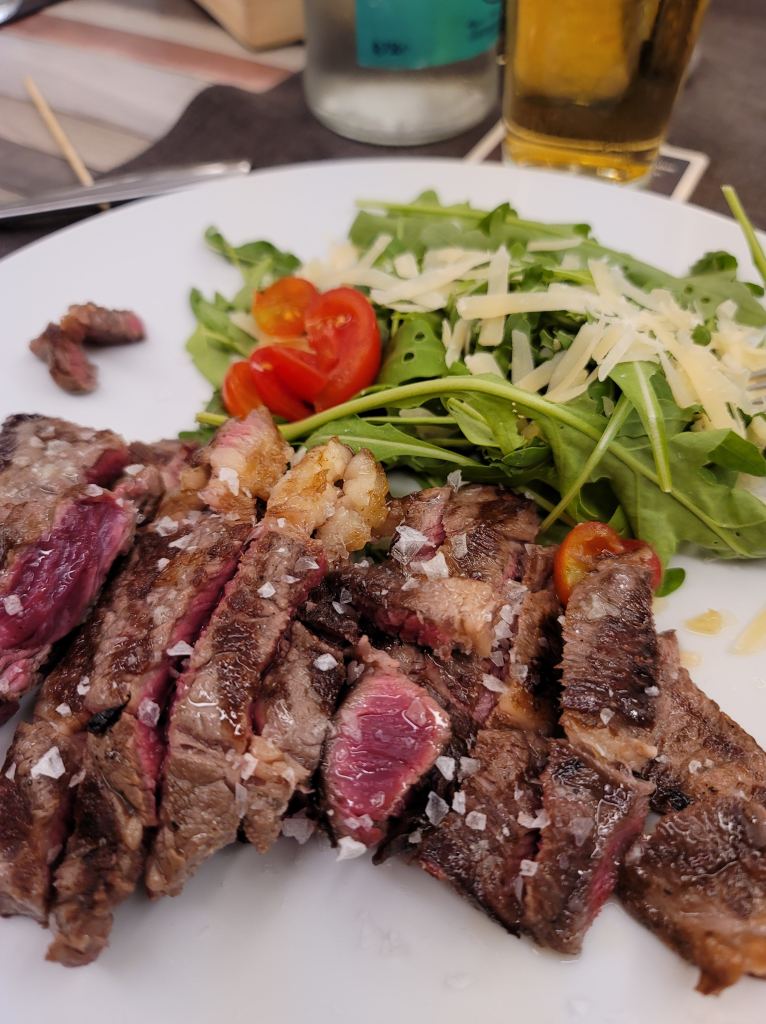
As food enthusiasts, we couldn’t help but explore the culinary scene in modern Pompeii during our visit. We were pleasantly surprised by the variety of delicious dishes and the quality of ingredients used in the local cuisine– that volcanic soil really does grow some amazing produce. We visited several restaurants during the stay, including Varanelli, Todisco, and I Matti, all of which offered unique dining experiences. At Varanelli, we split and savored a delicious steak and their signature pear mousse. Todisco impressed David with their seafood selection, and he particularly enjoyed their grilled octopus with roasted vegetables. Finally, I Matti, a rustic trattoria, served up one of the most incredible pizzas that I’ve ever had, cooked in a wood-fired oven and topped with fresh buffalo mozzarella, mortadella, and squash blossoms. I can confidently say that you will not go hungry in Pompeii.


Salute!
While there are no breweries in Pompeii, there were plenty of places to grab a drink. One of my favorite drinks was had at a little stall off of the main square, a limoncello spritz. If you do nothing else outside of the ruins in Pompeii, grab a limoncello spritz somewhere– and don’t be like me and drink it so quickly that you forget to take a proper picture, savor that dreamy drink.
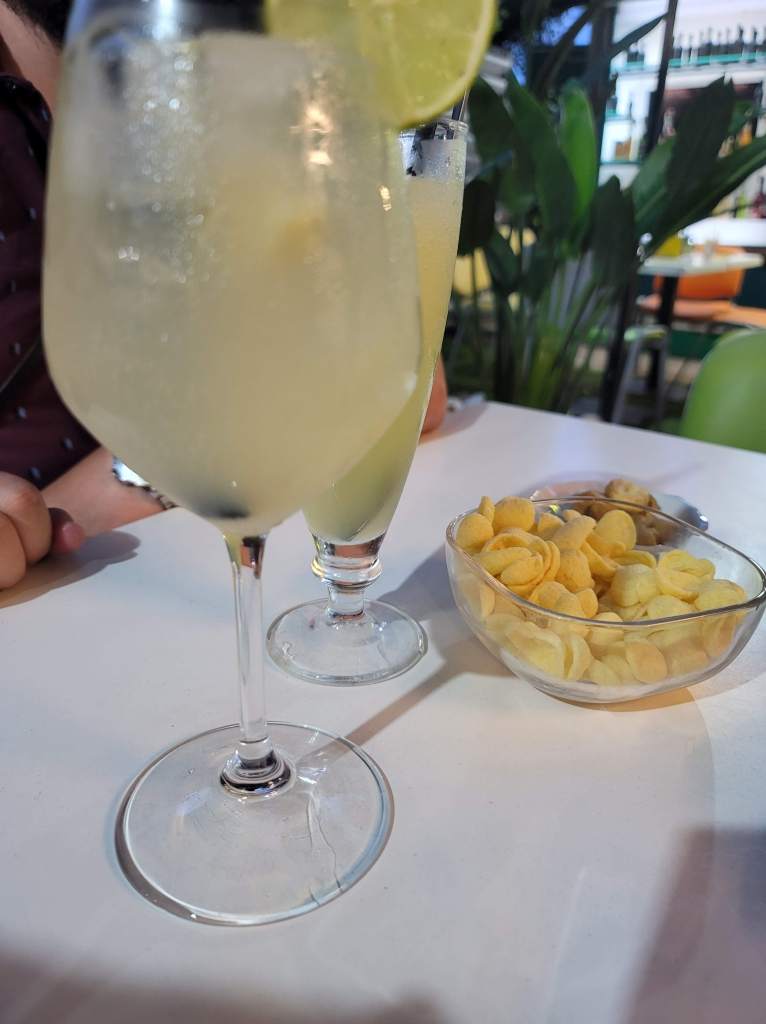
Aperitivo anywhere in Italy is one of my favorite things, taking aperitivo in a piazza takes it up a notch, and aperitivo in a piazza with a beautiful church to admire has to be the ultimate way to end a day. For those not in the know, aperitivo is a pre-dinner drink and snack tradition in Italy. It typically takes place in the early evening and involves having a drink (such as a spritz or a glass of wine) accompanied by small snacks like olives, nuts, chips, or small sandwiches. Aperitivo is a social occasion that allows friends and colleagues to gather and relax before dinner. Think of it like happy hour but you are guaranteed a snack. After a full day at the archeological site, we took our aperitivo on the Piazza Bartolo Longo at Bar Santuario with the Santuario della Beata Vergine del Rosario gleaming in the golden hour light in front of us. Listen, that bar has terrible reviews. It was not spectacular but we went in knowing what we were in for, an overpriced drink. In Italy, as in most tourist-focused areas, you are more than likely going to pay more for something average if that average product is being served with a view. So we had our aperitivo with a view and went in search of pastures to spend less green.

Our last night in Pompeii (and the morning before a hike up Vesuvius), we decided to check out the night life in the city. To our surprise, we found a vibrant and welcoming atmosphere, with plenty of options for a fun night out. Our first stop was at Stappami Wineroom, where we picked up a couple of to-go bottles of delicious local wine to enjoy later. Next, we headed to Mericano Pub, which had an impressive selection of Italian craft beer. We sipped on a few different Peroni Gran Risveras, which were new to us and definitely interesting. Finally, we ended the night at Pub 27, a cozy bar with good beer and a laid-back vibe. A few locals were having a birthday party and welcomed us into the fold warmly, we chatted and laughed late into the night– even getting to share in the birthday Babà Napoletano (a sponge cake soaked in a citrusy rum syrup). We may have cursed our big night out the next day while huffing up the side of Vesuvius but nights like that are one of the best parts of travel.

The Hike
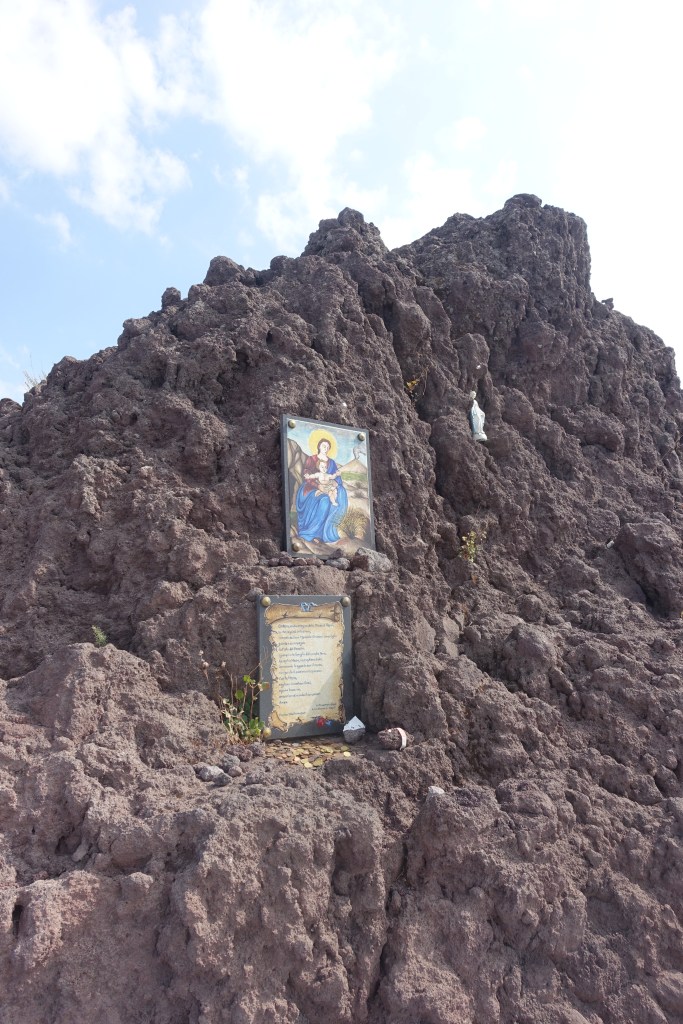
On our final morning in Pompeii, we headed to Vesuvius to take on the crater hike. When we got there and began the hike, I quickly realized that the slippery slope of gravel and ash was a recipe for disaster for me. A few years ago, I broke my leg on day two of a four day hike on the Inca Trail in Peru (a story for another time) and I am obviously very cautious about the conditions that I hike in and where I hike. On the other hand, David was about six months post ACL surgery and ready to test out his New and Improved Knee™.
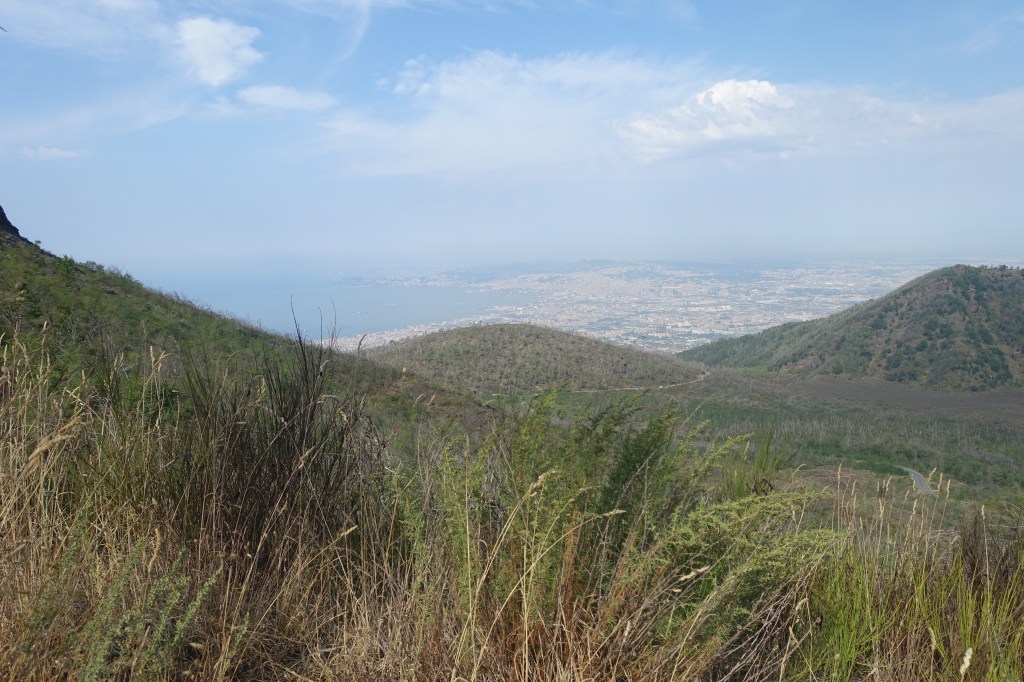
As I waited at the start, enjoying the stunning view, I couldn’t help but feel a sense of pride for David, who was hiking up to the crater of Vesuvius. While I knew it would be an incredible experience to witness the volcano up close, I also knew that the steep decline (the incline is the easy part of hiking) and slippery terrain would be too challenging for me. Instead, I chose to stay behind, relax, and read a book while waiting for David’s return. As I watched him climb higher and higher, I felt a mix of excitement and nervousness, but I knew that he was an experienced hiker and would be able to handle the challenge. I couldn’t wait to hear about his adventure and see the photos he captured once he returned. It turns out, that while very interesting– the crater of Vesuvius is just as it sounds, a volcanic crater. He said that he could smell more sulfur at the top and that it was cool to look into the crater but overall I didn’t miss much. Whether or not he was saying that for my benefit, the world will never know.


Ciao, For Now
As I reflect on our visit to Pompeii, I am struck by the stark contrast between the ancient ruins and the modern city that has grown around them. While the ruins offer a glimpse into the past, the modern city of Pompeii is a bustling and lively hub of activity. The food is delicious and the people are friendly, welcoming visitors from around the world with open arms. The main cathedral is a stunning example of the city’s rich history and cultural heritage, and is a must-visit for anyone interested in religious architecture. And for those looking for a bit of adventure, hiking Vesuvius is an unforgettable experience that offers breathtaking views of the city and surrounding countryside. Overall, our visit to Pompeii was a once-in-a-lifetime experience that offered a fascinating glimpse into both the past and present of this incredible city.




 Beer Travelers