
When a neighboring city started a new direct service to Oslo, we took full advantage of one of the inaugural flights and decided on a long weekend in the Nordic capital. Norway had been on my list for a while, as it was the last country from the EPCOT World Showcase that I had not visited and I had to compare the Disney magic to the real thing. Spoiler alert: Norway is amazing.
Arrival
We arrived at Oslo’s Gardermoen Airport (OSL) around 8:30AM. Immigration was admittedly a little slower than I was expecting but with hand baggage only, we were on a train to the city center by 9:30AM. There are many options to get to the city center from the airport (taxis, busses, trains) but with limited time in the city, we opted for the express train service Flytoget. The service is a little pricey with a one way ticket at 210 Norwegian Kroner (NOK), or roughly $21 USD, but it takes just 19 minutes to get to the city center and a train departs every 10 minutes. The train is equipped with highspeed Wi-Fi and makes two stops in the city center, one at Oslo Central Station, and one near the National Theater.

The Basics
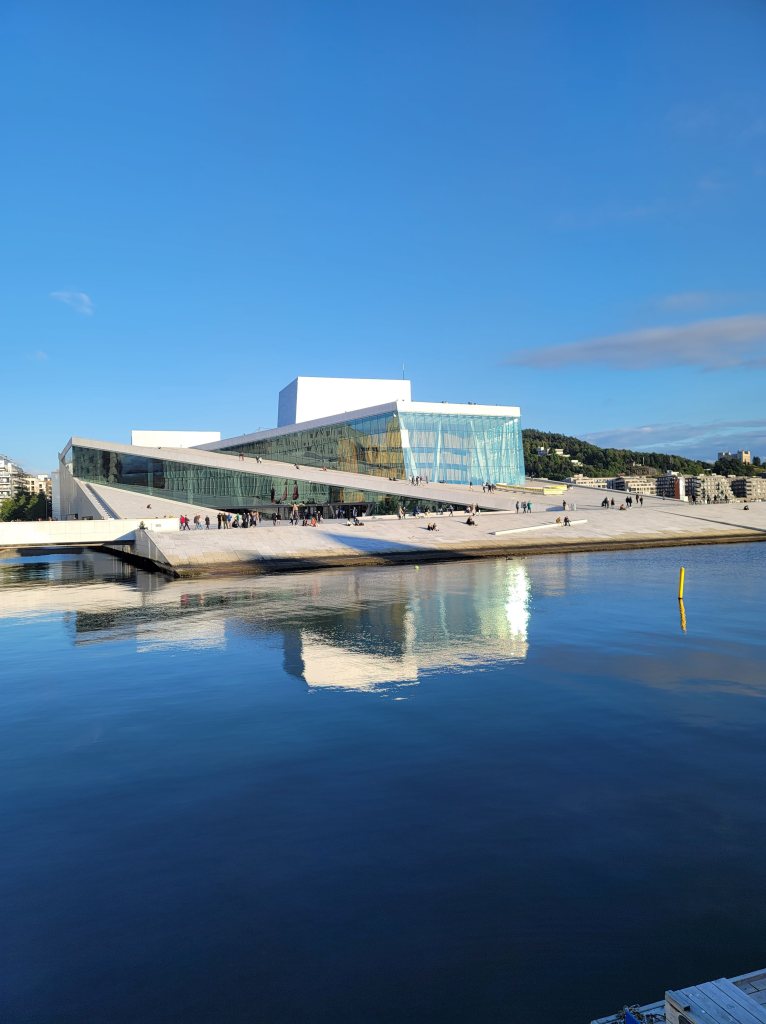
We were in Oslo for a total of four nights and wanted a hotel central to the sights on our list, the Karl Johan Hotel hit that benchmark for us. The hotel is comfy and on the more luxurious end of things, with a lovely full breakfast served every morning. Located in the heart of the city, the historic hotel boasts elegant rooms and suites that have been tastefully decorated with modern amenities while retaining their classic charm. The hotel’s central location makes it the perfect choice for exploring the city’s many attractions, including the Royal Palace, the National Theater, and the Oslo Opera House. This really was the perfect base for us to explore with easy access to the tram, central station, and points that we wanted to visit.

Oslo is a highly walkable city with many of its main attractions and neighborhoods located within walking distance of each other. The city’s compact size and well-designed streets make it easy to navigate, and pedestrians can enjoy scenic routes along the harbor and through the city’s many parks. Additionally, the city has an extensive network of bike lanes, making it easy to explore on two wheels as well.
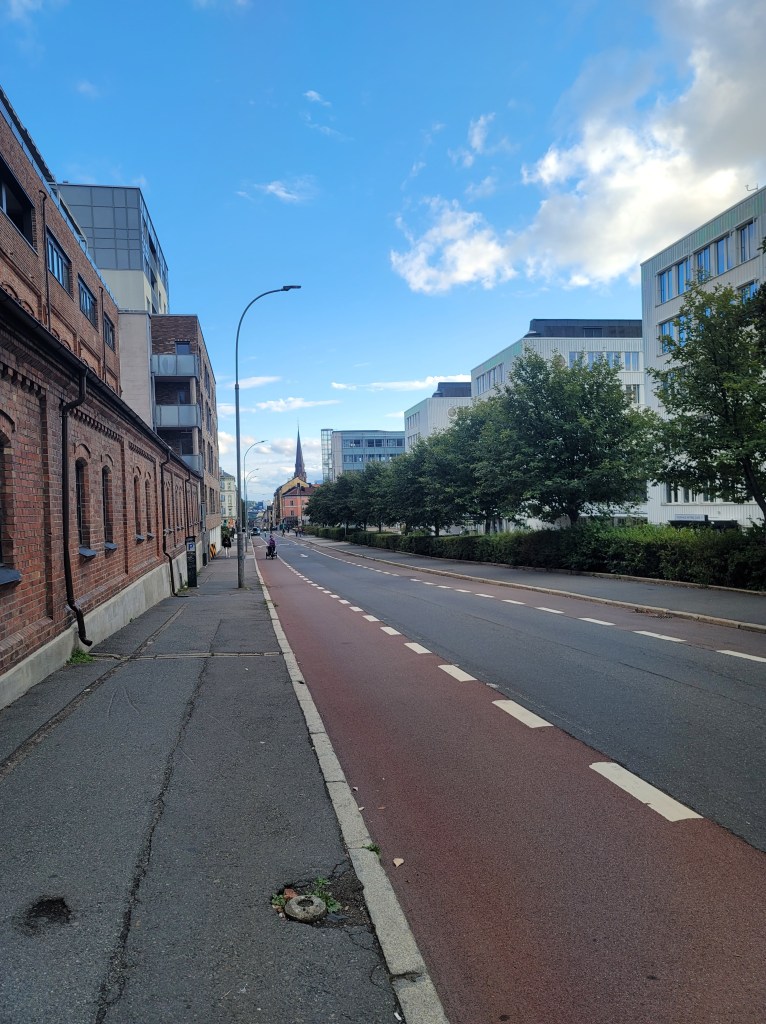
Also, the tram system in Oslo is an efficient and convenient mode of transportation that provides access to many parts of the city. With 6 tram lines and over 130 stops, the system is well-integrated with other public transport options such as buses, trains, and subways. The trams are modern and comfortable, and the routes take passengers through some of Oslo’s most beautiful neighborhoods and scenic routes, making it an excellent way to explore the city.
First Stop, Food Tour
I’ve mentioned this in other posts but I like to start my visits to a new place with a food tour. The choices were slim in Oslo but I found a tour that fit our needs with City Unscripted called “The Ultimate Oslo Food Tour.” The tour was about $130 USD/person for a private tour tailored to what we wanted to do and experience. Our host for the tour, Alex, was an American living in Norway with her partner. We met at the central train station and began our tour, which also turned out to be a great way to get our bearings in the new (to us) city. Unlike other food tours that we’ve been on, this tour focused more on sit-down style establishments, which gave us a deeper feel for the food culture in Norway. Our first stop was Kaffistova, a cafeteria style restaurant serving up hearty Norwegian specialties. We got two Norwegian style meatball dishes– one with beef and the other with moose.

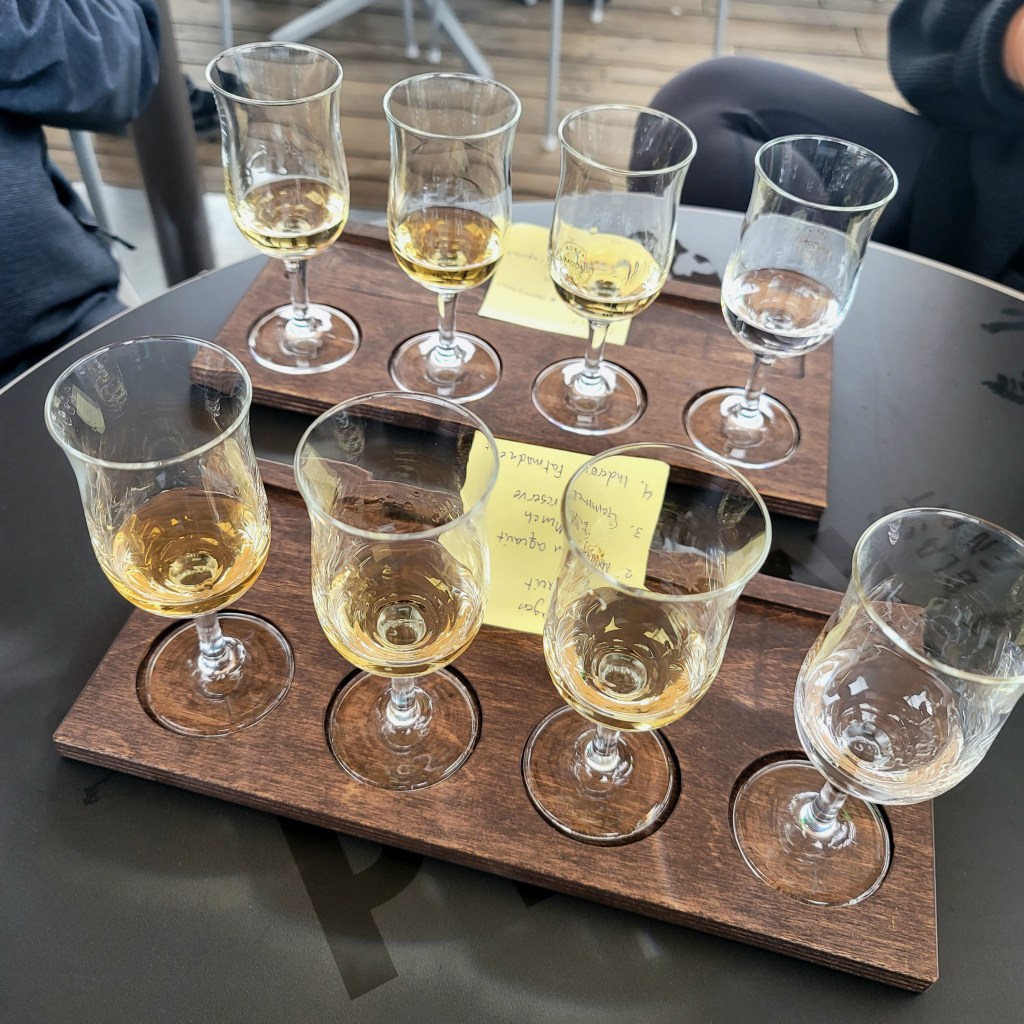
At the beginning of the tour, we told Alex that we wanted to try aquavit (the national liquor) and she delivered with the perfect spot located on the harbor, called Piren, which has one of the largest selections of aquavit in Oslo. Aquavit is distilled from potatoes or grain, and is flavored with a variety of herbs based on the season. The most common herb that I’ve come across in my aquavit adventures is caraway, strong caraway. For this tasting, we gave full control of the selection of the bartender, who came out with 8 of his favorite aquavits. Each had it’s own charms but the Christmas aquavit took the cake for me– with notes of citrus and vanilla.
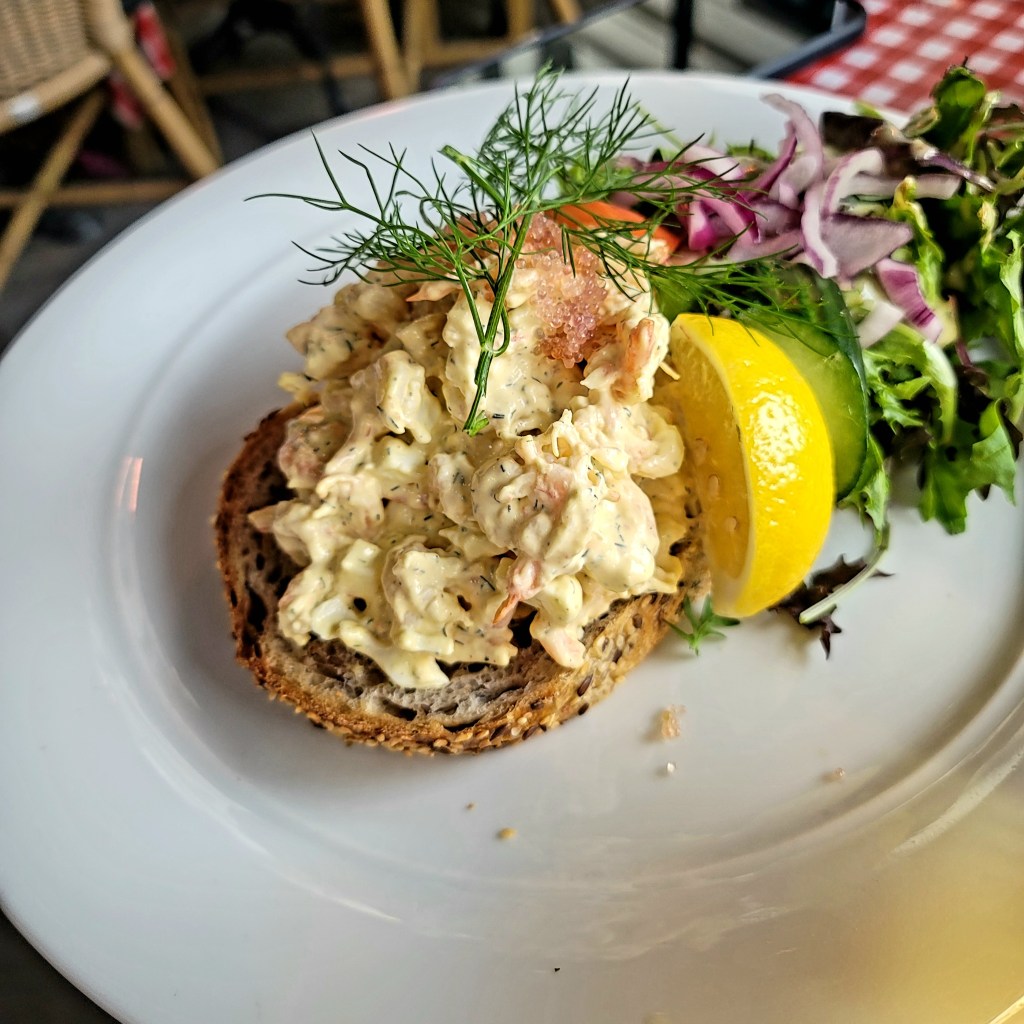
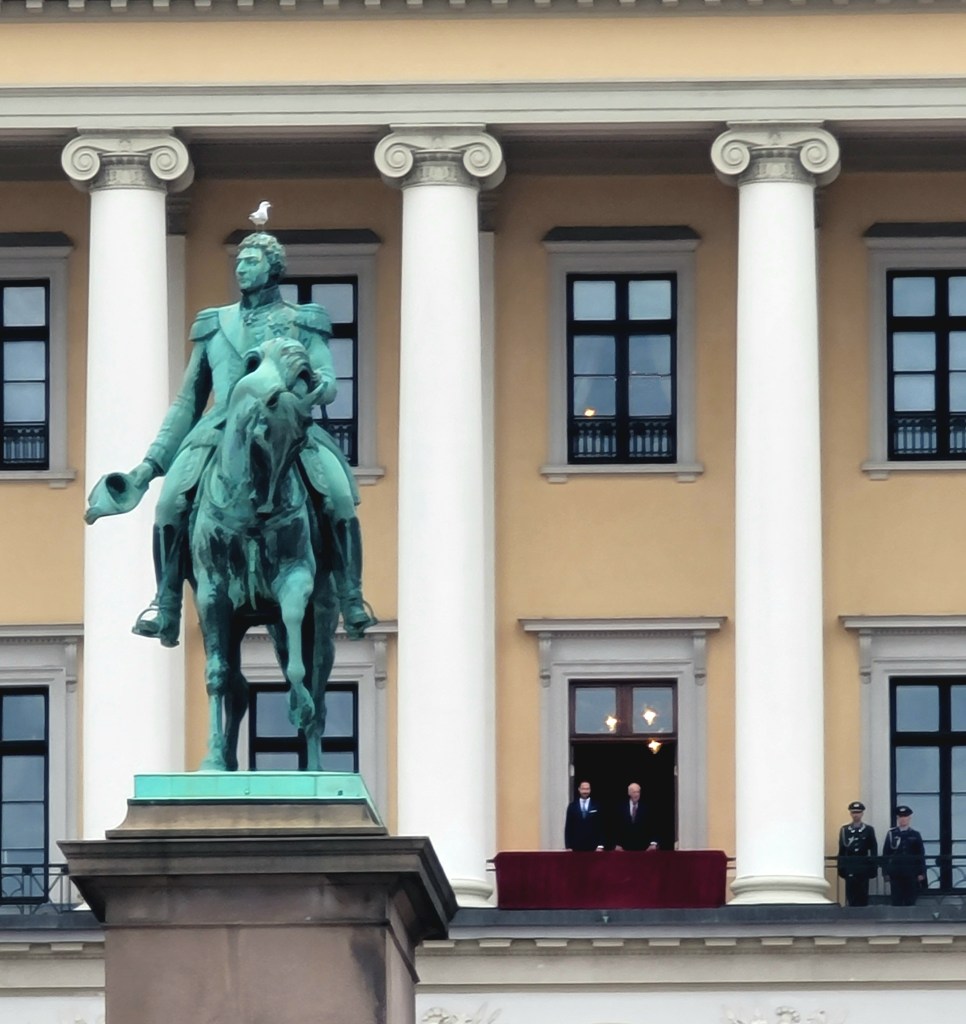
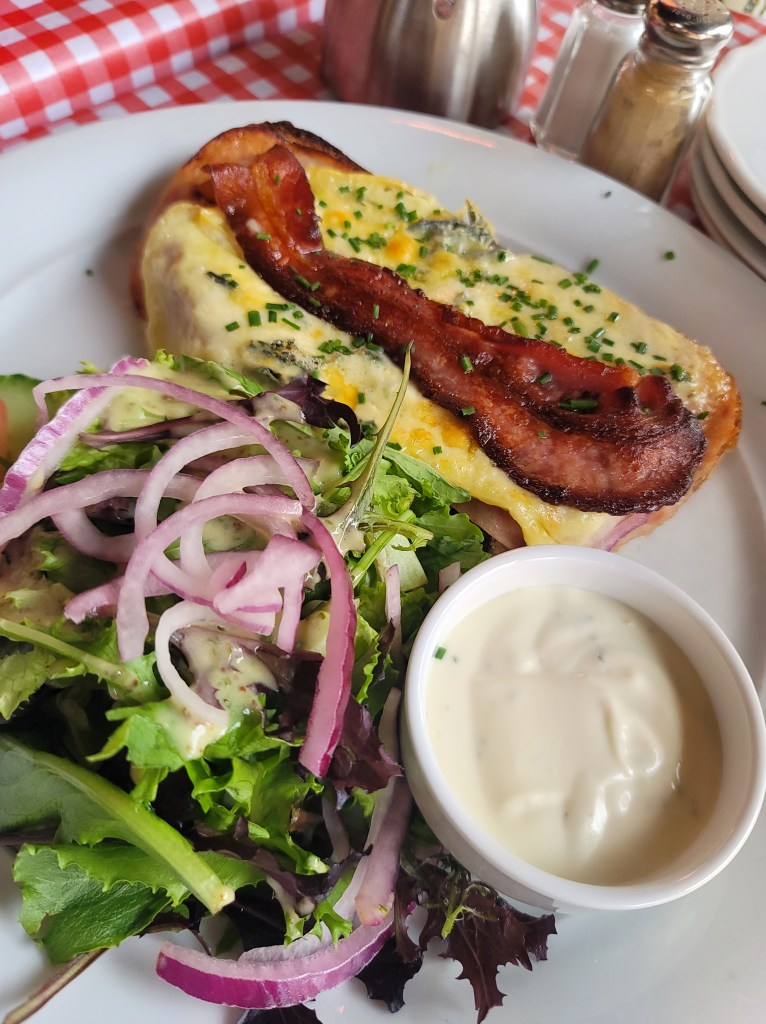
On the way our last stop, we passed through the palace grounds and got to see a rare site– the Norwegian King, Harold V, on the balcony addressing the press and trooping his guard. The final meal on our food tour was at Lorry, a quirky restaurant near the Royal Palace. The decor was like a Norwegian Cracker Barrel meets Hard Rock Cafe, but instead of guitars, it was adorned with art. Here, we were introduced to a very common Norwegian dish, Smørrebrød, a type of open-faced sandwich. David had one with prawns, and I had one with bacon/eggs. Both were definitely unique and full of flavor (+ all the mayo).
Take to the Sea

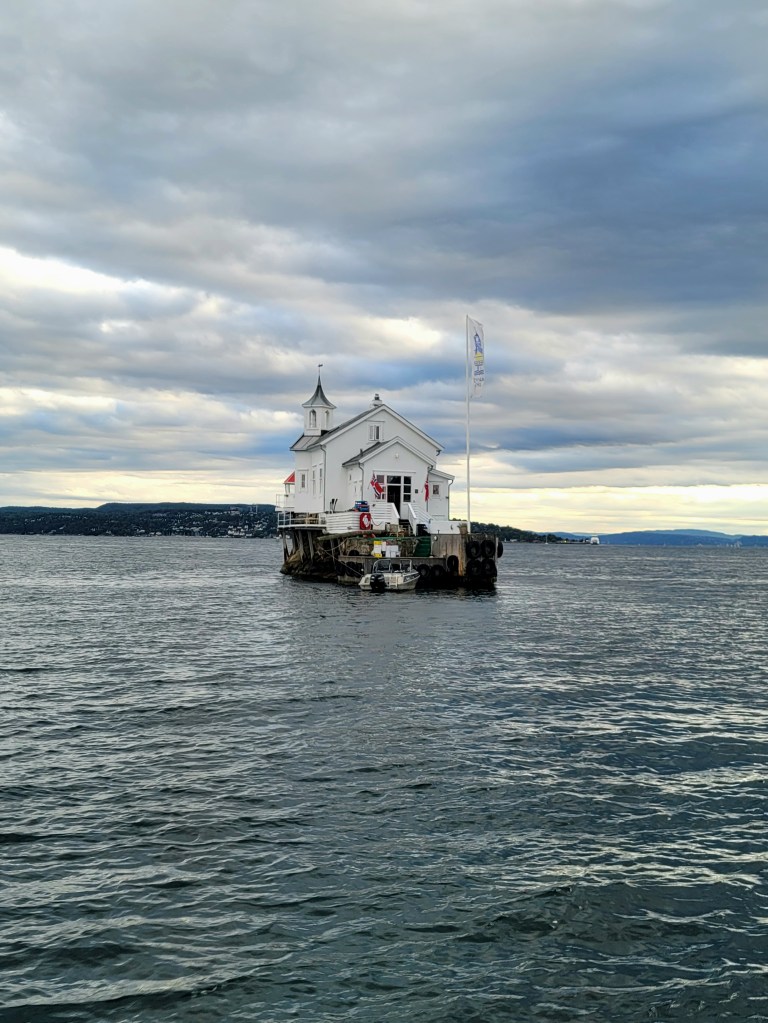
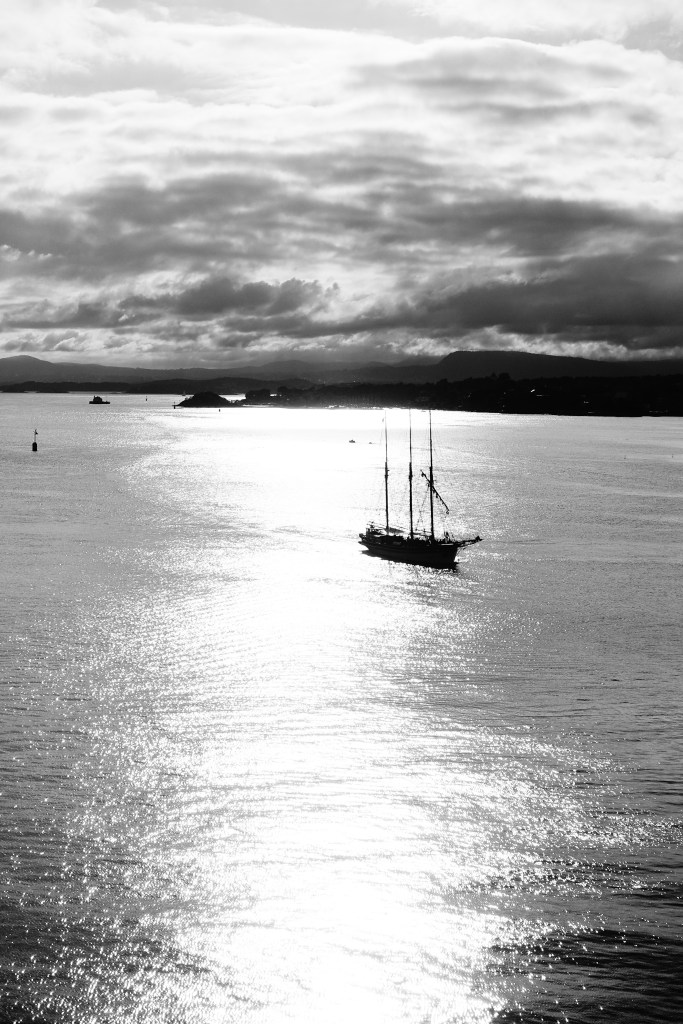
Our first evening in Oslo, we decided to take to the sea for a different view of the city. The Oslofjord dinner cruise was an unforgettable experience that offered a stunning combination of natural beauty, delicious food, and captivating city views. Throughout the cruise, we were treated to breathtaking scenery along the fjord, with crystal-clear waters surrounded by picturesque hills and forests. Being bird-nerds, we also got to spot quite a few new (to us) species.
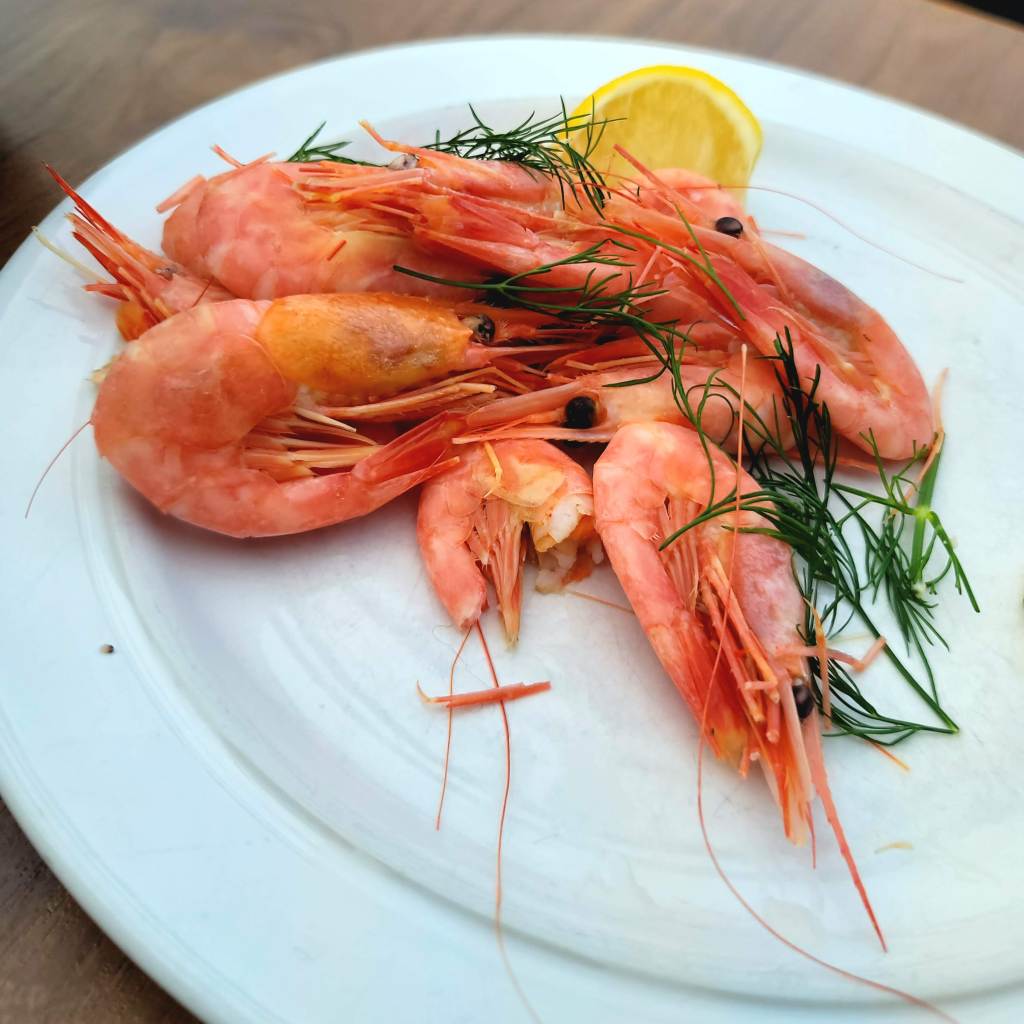
During the cruise, we were able to indulge in an all-you-can-eat seafood dinner featuring a wide selection of fresh and delicious seafood dishes. From prawns and salmon to crab and mussels, there’s something for everyone–unless you are me, as there are no non-seafood options. We knew this in advance as I had emailed the company and been given their blessing to bring some snacks aboard for myself. That being said, the chefs onboard use locally sourced ingredients to ensure that every dish is of the highest quality.
As David savored his meal, the boat will made way past some of Oslo’s most iconic landmarks, including the Akershus Fortress and the Oslo Opera House. Seeing these landmarks illuminated at night is a sight to behold and provides a unique perspective on the city.

Another fun curiosity we encountered while out and about on the boat (and later while exploring the harbor) were sauna boats. These are boats that are either moored or that you could rent to take out, where you jump from the boat into the cold sea and then climb back aboard to enjoy an onboard sauna. I experienced something similar in Finnish Lapland years ago, I rolled in the snow, jumped into a freezing cold lake, and then took a sauna after– only to repeat the process several times over the night with the Aurora giving a show above me. Before the trip, we discussed something that every Floridian discusses before any vacation, “Should I bring a bathing suit?” – if we had, I’m sure the two of us would have carved out some time for one of Norway’s floating saunas.
The Sticker Shock of Drinking in Norway

If you’re planning a trip to Norway, be prepared for your wallet to suffer when it comes to the cost of drinking. Norway has some of the highest alcohol prices in the world, due in part to the country’s high taxes on alcohol.
For example, a pint of beer in a bar or restaurant in Oslo can cost anywhere from 70-100 NOK (roughly $8-12 USD), with prices even higher in some of the more touristy areas. Wine and spirits are even more expensive, with a glass of wine costing upwards of 100 NOK and a cocktail easily setting you back 150 NOK or more.
So why are alcohol prices so high in Norway? One reason is the country’s high taxes on alcohol, which are meant to discourage excessive drinking and promote public health. In addition, the country has strict regulations on where and when alcohol can be sold, with most stores and bars closing early in the evening and not opening at all on Sundays.
While the high cost of drinking in Norway can be a shock to the system for travelers, it’s important to keep in mind that the country has a strong drinking culture that emphasizes responsible consumption. Norwegians tend to view alcohol as a social lubricant, something to be enjoyed in moderation with friends and family.
If you’re planning to drink in Norway, be sure to budget accordingly and plan ahead. Consider visiting the government-run Vinmonopolet stores for wine and spirits, as they tend to have the best selection and prices. And if you’re looking for a more budget-friendly option, consider picking up some beer or cider at a grocery store or convenience store, which tend to have lower prices than bars and restaurants.
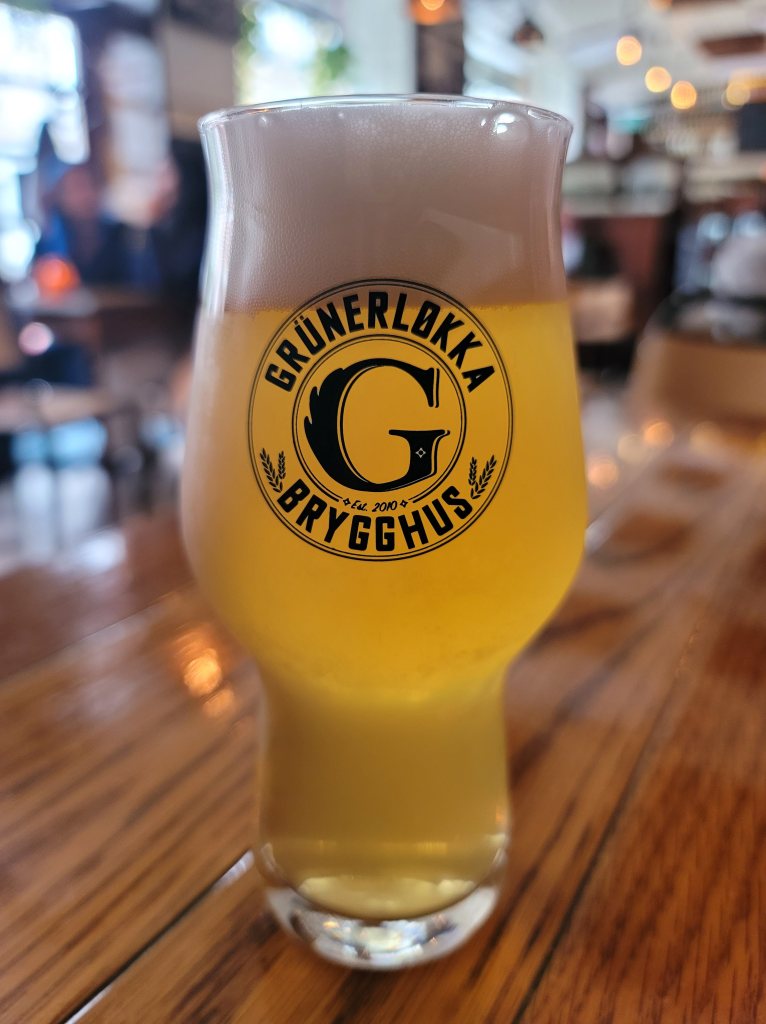
As this was a short trip for us, we sucked it up and decided to do what we do best– tip the local bartenders. After a morning exploring Bygdøy (see below), on a sunny Saturday afternoon, we headed to the Grünerløkka area of Oslo for a leisurely morning of exploring and day-drinking. We started off at Grünerløkka Brygghus for a peep around and a couple pints. The food looked amazing but we at just eaten at Mathallen food hall. However, the Bringebææærlinerweisse was one of the best berliners that I have had in ages. It wasn’t too tart, as American versions of the beer tend to lean, and the fruit was subtly sweet.
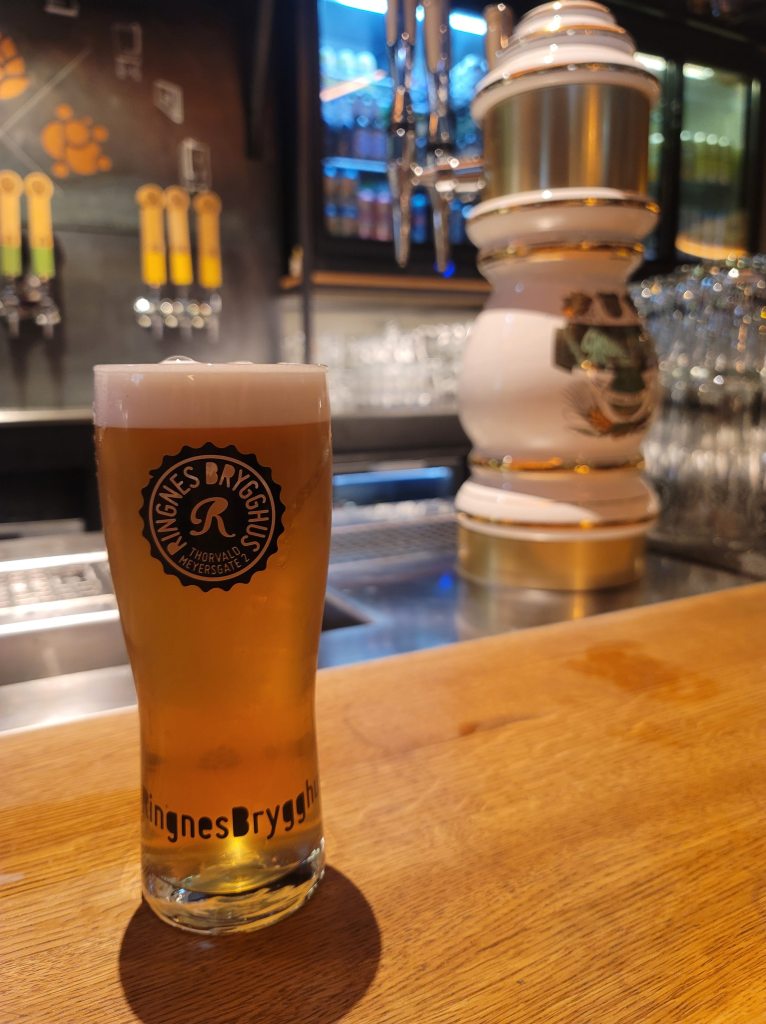
After Grünerløkka Brygghus, we walked a bit down the same road to Ringnes Brygghus. Ringes is the largest brewer in Norway and is owned by Carlsberg. Ringnes Brygghus is located in Ringes’ old brewery from the 1800s. The décor incorporates antique brewing and lab equipment with more modern Scandinavian design. They serve classic macro Rignes beer, such as Rignes Pilsner, along with newly developed beer from their own microbrewery.
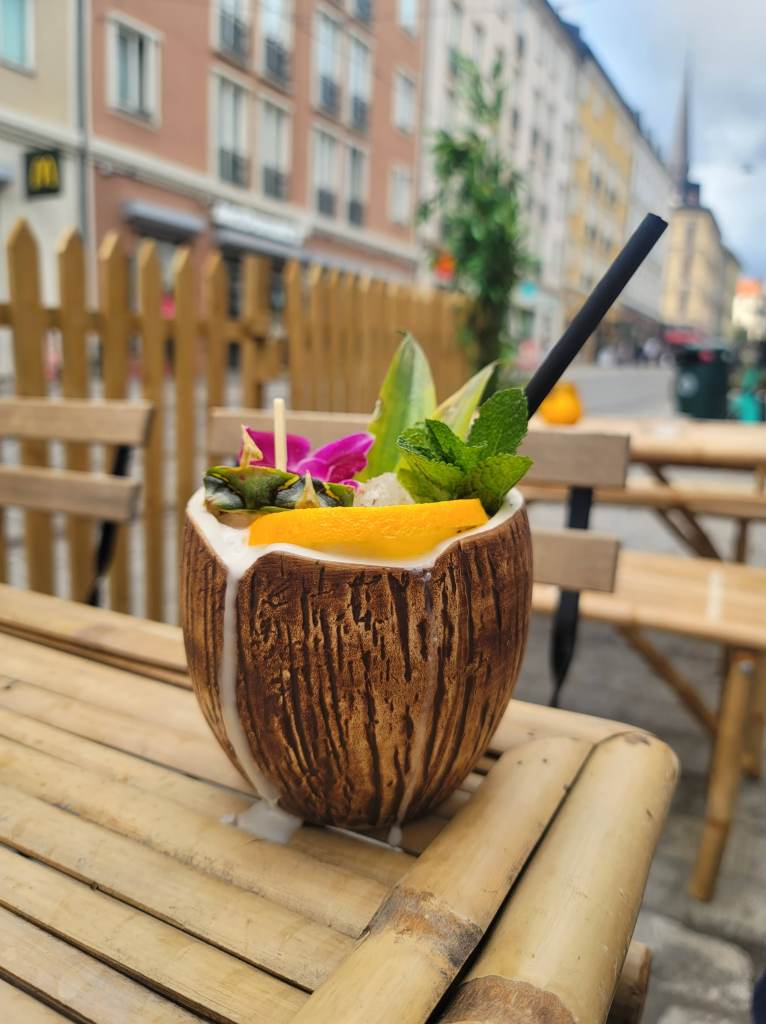
Our final stop in the area was a tiki bar that we had spotted earlier in the day, AkuAku. We are suckers for a good tiki bar and this spot features Norway’s largest selection of rum. The bar is small but well decorated, you definitely feel the island vibes, despite being so far north. It was a sunny day in Oslo, so we took advantage of the patio to people watch and sip our cocktails.
If you have followed along on previous journeys, we typically choose a bar close to our accomodation and go for a nightcap each night that we are in a city. This trip, that spot ended up being Amundsen Bryggeri & Spiseri. Named in honor of Norwegian polar explorer, Roald Amundsen, the gastropub featured many nods to his exploration. We did not eat here but the food did look amazing. There was an on-site microbrewery and the beer was the perfect way to end the night after each day of own explorations.

Museum Hopping
We love visiting museums, so we did a little research beforehand and landed on the Oslo Pass as our best option to see the most without waiting in ticket lines. Once paid for, the handy pass grants access to 30 of Oslo’s top museums and attractions, including most of the places we had ear-marked for this trip: National Museum, the Astrup Fearnley Museum of Modern Art, Akershus fortress, and the Munch museum. The pass also grants its user unlimited public transportation throughout Oslo.
The National Museum of Art in Oslo is a must-see for anyone interested in Norwegian art and culture. With a collection of over 400,000 pieces, the museum has something for everyone, from ancient artifacts to contemporary art. You can spend hours exploring the various exhibits, including the famous Munch Room, which houses several of Edvard Munch’s iconic paintings.
The Astrup Fearnley Museum of Modern Art is a great place to see some of the most cutting-edge contemporary art from around the world. With exhibitions that change regularly, you never know what you might see on any given day. Some of the art is definitely out there, included a large pieces from Damien Hirst. The museum also has a beautiful waterfront location, making it a great spot to relax and take in the views.

Akershus Fortress is one of Oslo’s most historic landmarks. Built in the 13th century, the fortress has played a key role in Norwegian history, and today it is home to several museums and exhibitions. You can explore the fortress grounds, visit the museum of military history, and take in the breathtaking views of Oslofjord. As a Floridian, it was really cool to see this building because there is a replica of it at EPCOT. I’ve said it once and I’ll say it again, Disney nailed the look of this building.

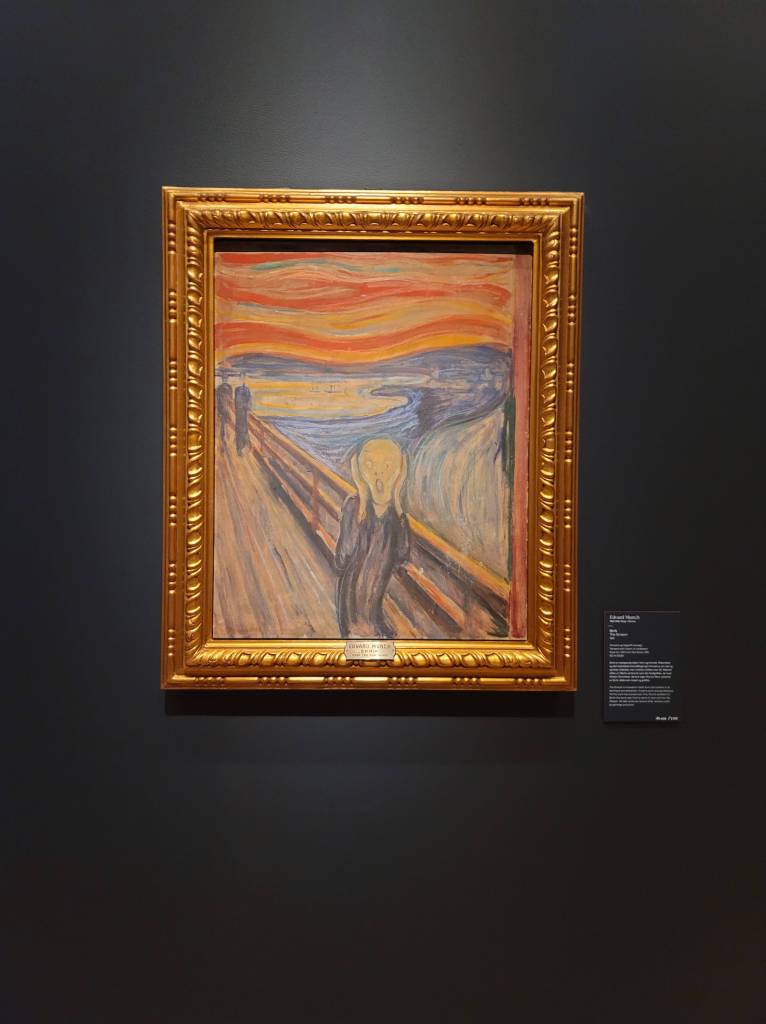
The Munch Museum is dedicated to the life and work of Edvard Munch, one of Norway’s most famous artists. The museum houses a large collection of Munch’s paintings, including several versions of his most famous work, “The Scream.” You can also learn more about Munch’s life and artistic process through interactive exhibits and displays.

Since our time in Norway was short, we wanted to get as big of a picture of the country as we could, so we took one morning to tour The Norsk Folkemuseum. The museum is located on Museum Island and is an open-air adventure that showcases the traditional Norwegian way of life from centuries past. With more than 150 buildings from different regions of the country, the museum provides a fascinating look into the cultural heritage of Norway.

The most unique (and picturesque) way to reach the Norsk Folkemuseum on Museum Island is to take a ferry from Oslo. Not only will you get to enjoy the beautiful scenery of Oslofjord, but you’ll also arrive at the museum in a way that is sure to enhance your experience.
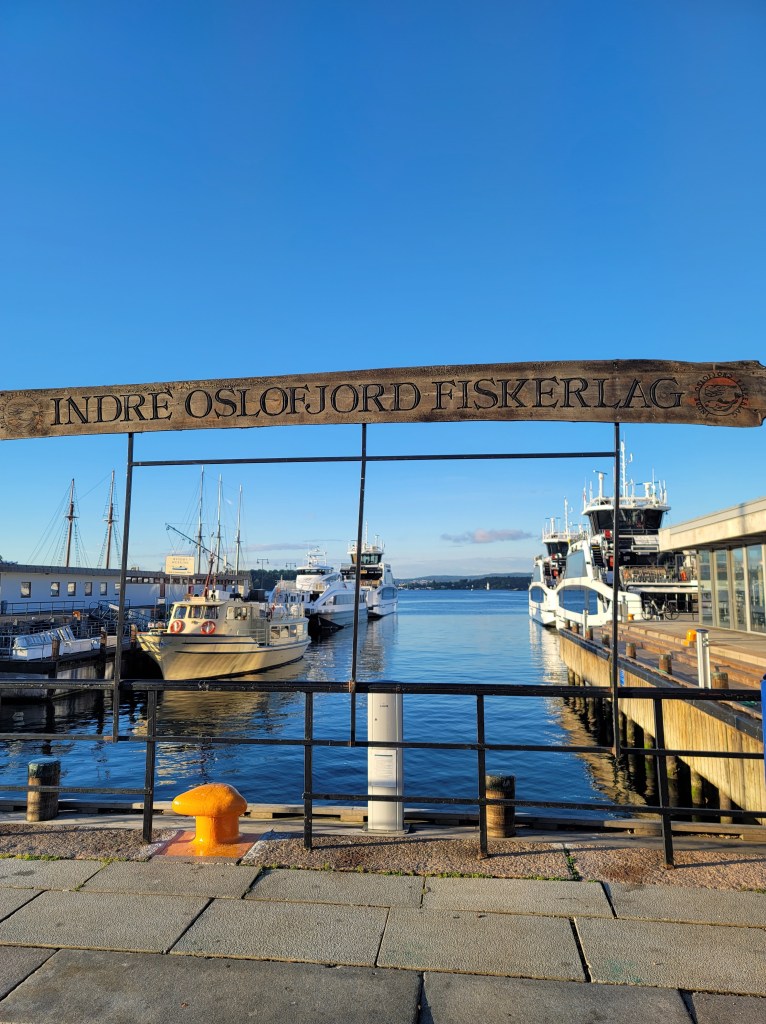
To get to the museum, we took the ferry from Oslo to Bygdøy. The ferry ride takes about 15 minutes and provides stunning views of Oslo’s waterfront. Once we arrived at Bygdøy, we took a leisurely stroll through the park but there is also a shuttle bus that takes visitors from the ferry dock to the museum.
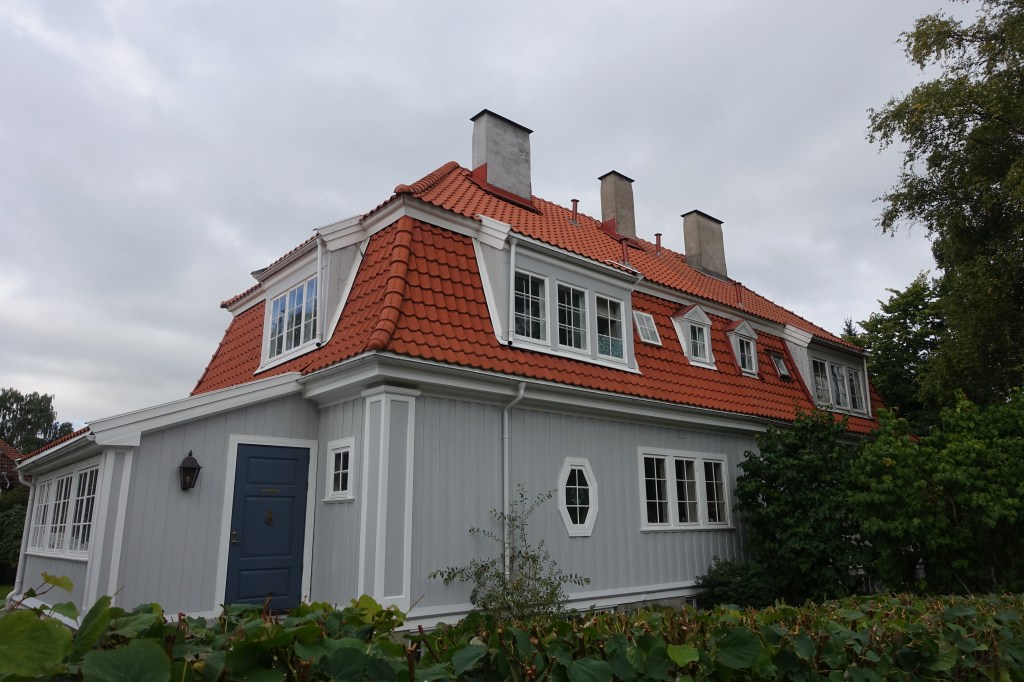
Once at the museum, we took our time to explore the various buildings and exhibits. We saw everything from traditional farmhouses and a stave church to old-fashioned shops and workshops. The museum also has costumed guides who can provide insights into the history and culture of Norway.


Eat All The Things
I was not expecting to love Norwegian food. I’m not a fan of seafood (David loves it, though) and I wasn’t sure how flavorful or diverse the food would be based on Norway’s geographical location. The food tour mentioned above definitely gave us a good base for exploring and a wider understanding of what we were in for in terms of both the variety and overall delicious food scene in Oslo.
Our first night in Oslo, after the fjord cruise (with AYCE prawns), we weren’t very hungry. But, after a couple of drinks in, we found ourselves searching for a late night snack — “pølse,” a Norwegian hotdog. These can be found in many places but on this night, 7-Eleven was the answer. You can dress the dog how you’d like but the typical way is with ketchup/mustard/mayo in any combination.

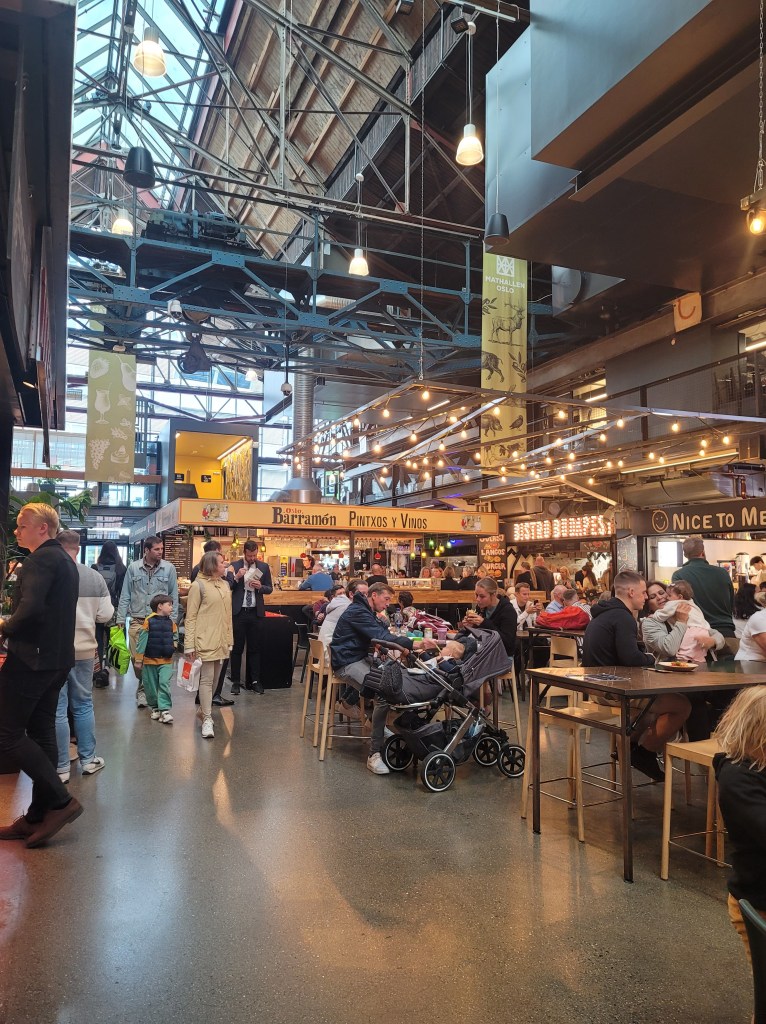
We started out Saturday at Mathallen, a food hall located in Vulkan, featuring everything from artisanal cheese to fresh seafood. If you’re feeling adventurous, try some brown cheese – a Norwegian specialty made from goat’s milk that has a unique caramel-like flavor. I went to the Italian stall, Via Italia, for a delicious Amatriciana, while David got paprikash from Bistro Budapest. A unique, and unfortunate, part of this food hall is that there is dedicated seating for each stall, so if you are with a group, you all must eat at the same place if you want to sit together. These rules are a big turnoff, especially when enforced. There is a tiny bit of open seating in the center of the food hall but if you sit here, you cannot have a drink with your food as each place is individually licensed.
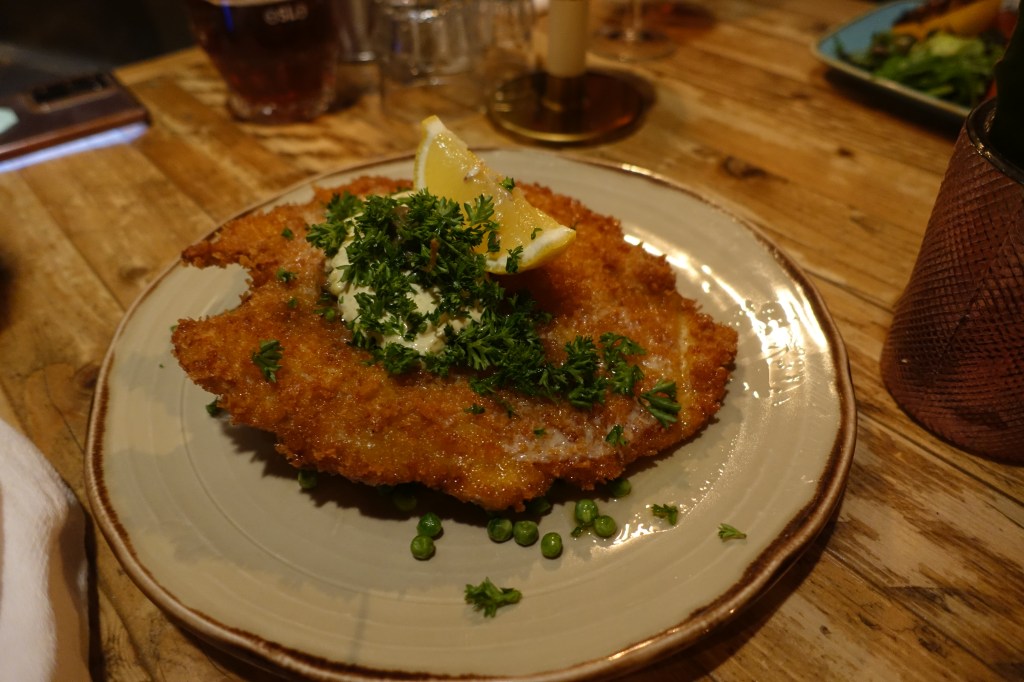
Our “nice” meal for the trip was at Den Glade Gris – a cozy restaurant located in Grünerløkka. Known for their traditional Norwegian fare and hearty pork dishes. There is whale on the menu, in Norway whale hunting is legal and they claim that it is done in a sustainable way. If you are interested in trying whale – this is the sort of place to do it. We had schnitzel and trout. The trout was served smoked and cold – it reminded David of lox. The real star here is their extensive beer menu and recommended beer pairings. It is clear that a lot of thought is put into the beer here and we were glad to see it.
On our museum day, we had a hankering for burgers and read about Døgnvill Burger, their Tjuvholmen location happened to near a handful of places that we were visiting. The trendy burger joint has a cult following, with locals and tourists alike raving on TripAdvisor about their juicy burgers and creative toppings. The burgers were great and the location was right on a canal where people were taking their boats out into the harbor– definitely a good spot for a leisurely meal and people watching.

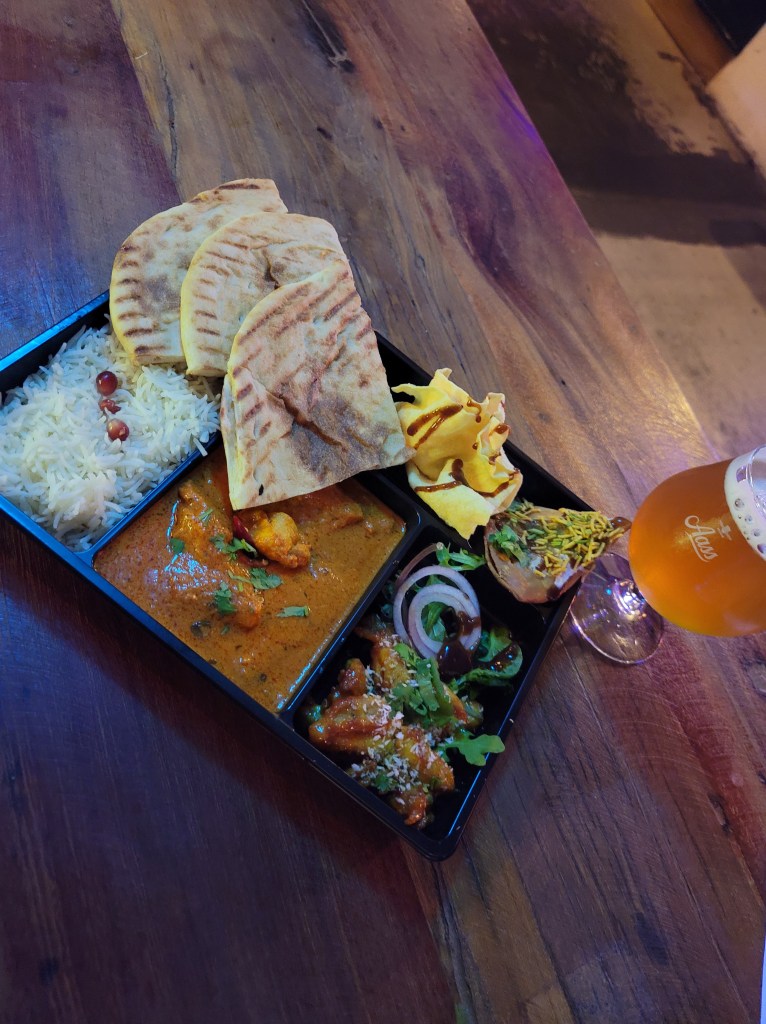
On our final night, we wandered into Oslo Street Food, located in the heart of the city. This bustling food market had something for everyone, with vendors serving up everything from sushi to tacos. We were in the mood for different things, with David really craving curry and me leaning towards a more veggie friendly meal knowing that I had a long travel day the next day. I had a Balinese noodle dish and you guessed it, David had curry. The market had several bars and unlike Mathallen, this place is civilized and you can snag a beer and walk around with it while perusing the different stalls.
Until Next Time
Overall, this was an action packed long-weekend. We made the most of every moment and worked hard to plan ahead and take advantage of the time we had in Oslo. If you happen to see one of those low-cost fares pop up, don’t hesitate– being uncomfortable in the air for a bit is definitely worth a lifetime of memories.

 Beer Travelers
Ami! My mom told me about your blog, and I’m so excited to follow your adventures! The beer, the food, the history – I already wanna go to Oslo. I’ll just be here living vicariously through you if you need me.
LikeLiked by 1 person
Aww! Hi friend! I’m glad to see you here 🫶
LikeLike